Support our educational content for free when you purchase through links on our site. Learn more
15 Underrated Nature Preserves in South Florida 🌿

The best underrated nature preserves in South Florida range from easy boardwalk strolls to wild, boat-access-only mangrove islands. For a memorable first visit, try Corkscrew Swamp Sanctuary for its elevated boardwalk or Six Mile Cypress Slough Preserve for an easy Fort Myers-area wildlife walk, then save Fakahatche Strand for a more rugged adventure.
We’ve watched a “quick nature stop” turn into an hour of quiet bird-spoting because a heron decided to fish just beside the trail. That’s the pleasure of these places: you don’t need a big expedition to find wild Florida, but checking trail access, weather, and bugs before you go makes the outing much sweeter.
Key Takeaways
- Choose your preserve for the experience: boardwalks and easy walks, rugged trails, birding, paddling, or coastal scenery.
- Start early for cooler temperatures and better wildlife-watching conditions.
- Check official access and trail updates before setting out; closures, water levels, and facilities vary.
- Pack water, sun protection, insect repellent, and suitable shoes.
- Give wildlife plenty of space: never feed, touch, or approach animals, especially alligators.
- Plan for more than one habitat: South Florida’s preserves protect cypress swamps, pine flatwoods, mangroves, estuaries, and coastal dunes.
Table of Contents
- ⚡️ Quick Tips and Facts About South Florida Nature Preserves
- What counts as South Florida?
- Best time to visit and what to bring
- 🌿 South Florida’s Wild Side: A Guide to Its Lesser-Known Natural Areas
- Why these preserves deserve a spot on your itinerary
- Preserve, park, refuge, or sanctuary: What’s the difference?
- 🗺️ 15 Underrated Nature Preserves in South Florida to Explore
- 1. Fakahatche Strand Preserve State Park
- 2. Picayune Strand State Forest
- 3. CREW Bird Rookery Swamp
- 4. Corkscrew Swamp Sanctuary
- 5. Six Mile Cypress Slough Preserve
- 6. Estero Bay Preserve State Park
- 7. Charlotte Harbor Preserve State Park
- 8. J.N. “Ding” Darling National Wildlife Refuge
- 9. Delnor-Wiggins Pass State Park
- 10. Rookery Bay National Estuarine Research Reserve
- 11. Florida Panther National Wildlife Refuge
- 12. Ten Thousand Islands National Wildlife Refuge
- 13. CREW Flint Pen Strand
- 14. Jonathan Dickinson State Park
- 15. Blowing Rocks Preserve
- 🌾 South Florida Habitats: From Cypress Swamps to Coastal Dunes
- Everglades marshes and freshwater sloughs
- Pine flatwoods, scrub, and dry prairie
- Mangrove forests, estuaries, and barrier islands
- 🥾 Choose Your Adventure: Trails, Paddling, Wildlife Watching, and More
- Best preserves for easy walks and boardwalks
- Best places for kayaking and canoeing
- Birding, photography, and wildlife viewing
- Fishing, biking, and guided nature programs
- 🐊 Wildlife to Look For in South Florida’s Nature Preserves
- Alligators, manates, and dolphins
- Wading birds, raptors, and migratory species
- Florida panthers, black bears, and other elusive residents
- Orchids, bromeliads, and native wildflowers
- 📍 Plan Your Visit: Access, Facilities, and Nearby Getaways
- How to find preserve entrances and trailheads
- Parking, restrooms, fees, and visitor centers
- Accessibility and family-friendly visits
- Nearby towns, beaches, and places to stay
- ☀️ Weather, Bugs, and Safety in South Florida’s Wild Places
- Heat, humidity, storms, and seasonal flooding
- Mosquitoes, ticks, and sun protection
- Alligator awareness and wildlife etiquette
- What to pack for a preserve visit
- 🌦️ When to Visit: South Florida Seasons and Wildlife Highlights
- Dry season versus wet season
- Best months for birding, wildflowers, and paddling
- Sunrise, sunset, and avoiding the midday heat
- 🧭 Sample South Florida Nature Preserve Itineraries
- A half-day nature escape
- A weekend of swamps, estuaries, and beaches
- A family-friendly wildlife-watching day
- 🌱 How South Florida’s Preserves Protect Wildlife and Water
- Habitat restoration and Everglades conservation
- Responsible recreation and leave-no-trace practices
- Supporting local conservation organizations
- Conclusion
- Recommended Links
- FAQ
- What are the best underrated nature preserves in South Florida?
- Are South Florida nature preserves free to visit?
- Which preserves are best for families and beginner hikers?
- Where can I kayak through mangroves in South Florida?
- Can you see alligators safely at a nature preserve?
- What is the best time of year to visit South Florida preserves?
- Are dogs allowed in South Florida nature preserves?
- Do I need a reservation or permit to visit?
- Reference Links
⚡️ Quick Tips and Facts About South Florida Nature Preserves
South Florida’s best nature breaks aren’t always behind a famous park sign. Some are easy boardwalk strolls near town; others require a kayak, a tide chart, or a willingness to get a little muddy. If you’re planning a broader trip, start with our guide to Florida getaways and build in time for a wilder side trip.
| Quick fact | What to know |
|---|---|
| Best general season | The drier months, roughly November through April, are often more comfortable for hiking and wildlife watching. Summer can be lush and quieter, but brings heat, afternoon storms, mosquitoes, and higher water. Check current conditions before you go. |
| Best time of day | Early morning usually means cooler temperatures, softer light, and active wildlife. |
| Access varies | Some preserves have paved or crushed-shell paths; others have sandy, muddy, or flooded trails. A few, such as Mound Key, are accessible only by boat or kayak. |
| Wildlife etiquette | Observe animals from a safe distance. Never feed, touch, or approach wildlife, and keep well away from alligators. |
| Plan before leaving | Confirm hours, closures, trail conditions, fees, and boat-launch access with the managing agency. Cell service can be unreliable in remote areas. |
| Bring the basics | Water, sun protection, insect repellent, closed-toe shoes, a fully charged phone, and an offline map make a much happier field trip. |
The National Weather Service recommends taking heat seriously and planning outdoor activity around high temperatures. For park-specific alerts and rules, use official pages from Florida State Parks, the Florida Fish and Wildlife Conservation Commission, and the U.S. Fish and Wildlife Service.
What counts as South Florida?
There isn’t one universally agreed boundary. For this guide, we use South Florida broadly: the Everglades and southwest coast, the urban southeast, Palm Beach County, and the Florida Keys. That gives you a practical mix of wetlands, pine flatwoods, mangroves, coastal hammocks, and freshwater marshes—not a claim that every place sits inside one tidy geographic box.
A few natural areas sometimes bundled into “Florida hidden-gem” lists are actually far north of this region. Devil’s Millhopper, Lafayette Blue Springs, Madison Blue Springs, and Three Rivers State Park are not South Florida destinations, so we’ve left them out. That distinction matters when you’re trying to plan a day trip rather than accidentally booking a very long one.
Best time to visit and what to bring
For many visitors, winter and early spring offer the easiest combination of cooler weather and lower mosquito pressure. Wet-season visits can beautiful too: the landscape turns intensely green, water levels rise, and some trails feel more remote. The trade-off is that storms, heat, standing water, and insects become part of the itinerary.
Before setting out:
- Choose the experience first. A boardwalk, a shaded hammock trail, an exposed prairie, and a boat-only island all call for different gear.
- Check official alerts and access details. A preserve can be open while a particular trail, boardwalk, boat ramp, or visitor center is closed.
- Tell someone your plan if you’re paddling or visiting a remote trail.
- Carry enough drinking water and turn around before you’re tired, overheated, or caught by a storm.
- Leave wildlife and habitat undisturbed. Don’t collect shells, plants, feathers, or archaeological material.
We’ve learned the hard way that “short trail” and “easy day” are not synonyms in Florida. A flat trail can still be brutally hot, buggy, or ankle-dep after rain.
🌿 South Florida’s Wild Side: A Guide to Its Lesser-Known Natural Areas
South Florida’s nature preserves protect landscapes that can feel worlds away from highways and subdivisions: cypress swamps, sawgrass marshes, mangrove creks, coastal islands, and dry prairie. The region’s outdoor appeal is bigger than its beaches; browse our local Florida insights for more ways to explore beyond the usual stops.
One competitor describes the appeal as “solitude, rare wildlife, and unique landscapes.” That’s a useful summary, but solitude isn’t guaranteed: popular boardwalks can be busy on weekends, while remote trailheads may be quiet because access is difficult. And “hidden” doesn’t mean secret or unregulated. These are protected places with real rules, sensitive habitats, and sometimes limited facilities.
Why these preserves deserve a spot on your itinerary
A good preserve visit offers more than a pretty view. You might see a great blue heron stalking a ditch, hear a barred owl from a shaded boardwalk, or discover that the quietest route is the one just outside a busy beach town.
What you get:
- Habitat variety: freshwater wetlands, coastal estuaries, pine flatwoods, hardwood hammocks, and reef rock.
- Flexible outings: paved boardwalks, short nature loops, longer hikes, biking, paddling, birding, and photography.
- A closer look at conservation: preserves protect habitat and water systems, and many offer interpretive trails or educational programs.
- A quieter alternative to the usual itinerary: particularly on weekday mornings or at less-developed trailheads.
What you may give up:
- Reliable cell reception, nearby food, drinking fountains, or restrooms.
- Paved access and dry trails.
- A guaranteed wildlife sighting. Nature is not a zoo with an appointment calendar.
Preserve, park, refuge, or sanctuary: What’s the difference?
The name alone won’t tell you what activities are allowed. A state park may offer recreation alongside conservation, while a wildlife refuge can have seasonal closures or restricted areas. A private sanctuary may require reservations or guided access.
| Designation | What it often means | What to check before visiting |
|---|---|---|
| State park or preserve | Public land managed by Florida or a local government, with rules and facilities that vary by site | Hours, entry rules, trail closures, pets, and launch access |
| National wildlife refuge | Federal land managed primarily for wildlife and habitat conservation | Seasonal restrictions, permitted activities, hunting rules, and refuge-specific closures |
| Nature center or sanctuary | Often combines a protected outdoor area with interpretation or education | Center hours, program schedules, and whether trails remain open outside center hours |
| Aquatic preserve | State-designated waters and submerged lands managed for ecological value | Boat access, tidal conditions, no-wake rules, and protected resources |
For land-management details, consult the relevant agency’s official page—not a social-media post from three seasons ago. Florida’s state park directory, FWC recreation pages, and the federal refuge finder at FWS are good starting points.
🗺️ 15 Underrated Nature Preserves in South Florida to Explore
Here are 15 real South Florida nature preserves and protected areas worth considering. “Underrated” is subjective, and some sites are more established than hidden. We’ve included a mix of quiet local escapes, remote wilderness, and accessible nature trails so you can match the outing to your time, energy, and comfort level.
| Preserve | Area | Best for | Access snapshot |
|---|---|---|---|
| Fakahatche Strand Preserve State Park | Copeland / Collier County | Cypress swamp, orchids, paddling | Remote; check trail conditions |
| Picayune Strand State Forest | Collier County | Backcountry recreation, restoration landscape | Dispersed access; prepare carefully |
| CREW Bird Rookery Swamp | Near Naples | Boardwalk, wildlife, long trail | Trail conditions vary |
| Corkscrew Swamp Sanctuary | Near Naples | Elevated boardwalk, birding | Managed visitor access |
| Six Mile Cypress Slough Preserve | Fort Myers | Boardwalk and easy wildlife viewing | Accessible urban-edge preserve |
| Estero Bay Preserve State Park | Estero | Trails, coastal habitats, paddling nearby | Multiple access points |
| Charlotte Harbor Preserve State Park | Charlotte Harbor region | Kayaking, shoreline habitats | Many parcels; access varies |
| J.N. “Ding” Darling National Wildlife Refuge | Sanibel Island | Birding, wildlife drive, paddling | Check refuge operating information |
| Delnor-Wiggins Pass State Park | Naples | Beach, dunes, coastal habitat | Popular park; check current access |
| Rookery Bay National Estuarine Research Reserve | Naples area | Estuary education, paddling | Visitor and launch details vary |
| Florida Panther National Wildlife Refuge | Collier County | Conservation landscape, wildlife habitat | Access and activities are limited |
| Ten Thousand Islands National Wildlife Refuge | Everglades City region | Boat-based wildlife viewing | Water access; conditions matter |
| CREW Flint Pen Strand | Bonita Springs area | Hiking and wildlife | Trailhead-specific access |
| Jonathan Dickinson State Park | Hobe Sound | Hiking, paddling, scrub habitat | Broad recreation options |
| Blowing Rocks Preserve | Hobe Sound | Limestone shore, coastal ecology | Preserve rules and hours apply |
These sites are not interchangeable. A boardwalk preserve is not a substitute for a backcountry paddle, and a boat-only island is not a casual add-on unless your launch, tide, weather, and return plan are sorted.
1. Fakahatche Strand Preserve State Park
Often nicknamed the “Amazon of North America,” Fakahatche protects an immense strand-swamp landscape in southwest Florida. Its cypress strands, sloughs, and hardwood hammocks support a remarkable variety of plants and wildlife, including rare orchids. The park’s official Florida State Parks page is the place to verify current access and activities.
Why go: If you want a sense of wild, watery Florida, Fakahatche delivers. It’s also a destination for patient naturalists: orchid sightings are never guaranteed, and wildlife tends to reward quiet observation more than enthusiastic chasing.
What to plan for:
- Access points and trail conditions can be remote and uneven.
- Bring water, sun protection, insect repellent, and footwear suited to the conditions.
- For paddling, confirm launch details, weather, and water conditions before you go.
- Don’t wander off established routes in search of orchids or wildlife.
A competitor calls its author’s ghost-orchid encounter “worth every mosquito bite.” We understand the romance; we’d still vote for repellent. Rare plants are easily damaged, so enjoy them from a respectful distance and follow any posted guidance.
2. Picayune Strand State Forest
Picayune Strand is a large restoration landscape in Collier County, where canals and roads from past development have left a complex pattern of access and habitat. The restoration work aims to re-establish more natural water flow and improve habitat. Review the Florida Forest Service information before visiting, as roads, recreation areas, and conditions can change.
Best for: Visitors who want a more rugged, self-directed outing and understand that facilities may be limited.
Keep in mind:
- Don’t assume every road is open to every vehicle or activity.
- Avoid entering flooded or muddy routes without suitable equipment and permission.
- Carry offline navigation and let someone know your planned route.
- Wildlife is present, but sightings are unpredictable.
This is a place where a little preparation makes the difference between a satisfying wilderness day and a long, sweaty debate with your phone’s loading screen.
3. CREW Bird Rookery Swamp
The Bird Rookery Swamp trail, part of the Corkscrew Regional Ecosystem Watershed (CREW) Land & Water Trust, is a popular southwest Florida wildlife walk that can still feel wonderfully untamed. You may spot wading birds, turtles, and alligators from the trail, depending on season and conditions.
Best for: Wildlife watching, photography, and hikers who are happy to turn around when trail conditions call for it.
Before you go:
- Check the trail and parking information on CREW’s site.
- Expect limited shade and standing water in some conditions.
- Stay on the marked path and give alligators a generous buffer.
- Don’t use “I saw a photo of a dry trail” as a current conditions report.
A competitor notes that CREW includes accessible segments near the start of some routes, but much of the longer trail is not wheelchair-accessible. Verify the specific trailhead and route before making plans.
4. Corkscrew Swamp Sanctuary
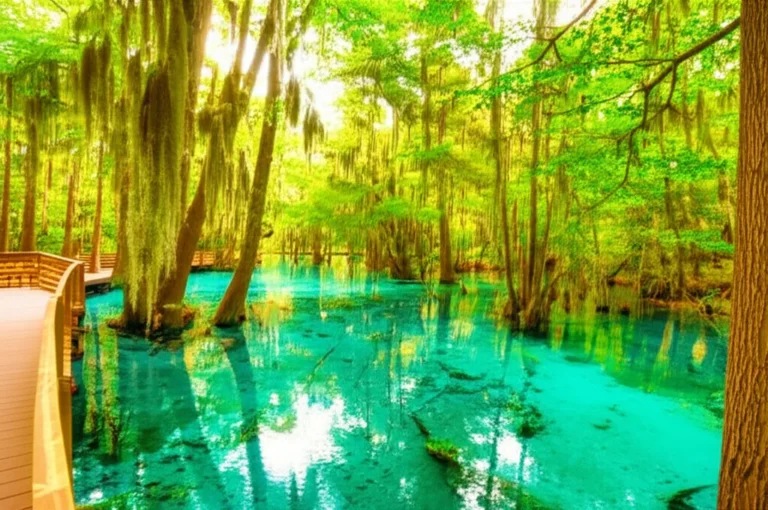
Operated by the National Audubon Society, Corkscrew Swamp Sanctuary is known for its elevated boardwalk through wetland and forest habitats. It offers a more structured visit than a remote preserve: interpretive information, a managed visitor experience, and a chance to observe wildlife without sloging through a swamp.
Best for: First-time visitors, birders, photographers, and families who want a clear route through a substantial natural area.
Tips for a better visit:
- Go early for comfortable temperatures and active wildlife.
- Move slowly and scan the understory, not just the tretops.
- Bring binoculars if you have them; distant birds can be easy to miss.
- Confirm current opening times and admission policies through the sanctuary.
It’s a strong choice when you want a nature experience without needing to plan a backcountry expedition.
5. Six Mile Cypress Slough Preserve
Fort Myers’ Six Mile Cypress Slough Preserve gives you a boardwalk through a freshwater wetland close town. It’s an appealing option when you want nature without an elaborate drive or a muddy footwear negotiation. Check the Lee County preserve page for current hours, trail information, and visitor guidance.
Best for: Families, casual walkers, and wildlife watchers who prefer a defined path.
What you might see: Wading birds, turtles, fish, and alligators, though the cast changes with water levels and season.
A raised walkway is helpful, but don’t treat it like animal viewing platform. Keep hands and loose items inside the railing, don’t feed wildlife, and give other visitors room to enjoy the quiet.
6. Estero Bay Preserve State Park
Estero Bay Preserve State Park protects natural areas around one of Florida’s important coastal estuaries. The Florida State Parks page explains the park’s access points and activities; check it before choosing a trailhead, since access is not always concentrated at one visitor entrance.
Best for: Hiking through coastal habitats and pairing a land walk with paddling in the wider Estero Bay area.
A few practical notes:
- Trail conditions can vary with rainfall and season.
- Bring drinking water and sun protection; shade is not consistent.
- Check boat-launch access separately from hiking access.
- Keep to marked routes to protect sensitive habitat.
If you’re interested in a combined land-and-water day, compare access with nearby Lovers Key State Park, but don’t assume a kayak route is suitable in every tide or weather condition.
7. Charlotte Harbor Preserve State Park
Charlotte Harbor Preserve State Park protects a patchwork of coastal lands around the harbor. It’s less of a single “arrive at the gate, follow one trail” destination and more of a collection of natural parcels with different access points. Start with the official park page to identify the right site for your outing.
Best for: Kayakers, naturalists, and visitors looking to explore the edges of the Charlotte Harbor estuary.
Before you launch or hike:
- Confirm the exact access point and permitted activity.
- Check tides, weather, and wind for any water-based plan.
- Carry a map that works offline.
- Avoid walking through dune vegetation or disturbing nesting areas.
The preserve’s strength is its variety. The drawback is that “Charlotte Harbor Preserve” alone is not a complete navigation instruction.
8. J.N. “Ding” Darling National Wildlife Refuge
On Sanibel Island, J.N. “Ding” Darling National Wildlife Refuge is a standout for birding and mangrove-estuary scenery. The U.S. Fish and Wildlife Service refuge page provides official information on refuge access, activities, and current notices.
Best for: Birders, families, wildlife photographers, and anyone wanting to pair a nature visit with a Sanibel getaway.
Consider:
- Wildlife drive schedules, fees, and closures can change, so check before departure.
- Bring binoculars and take your time; birds often blend into mangroves until they move.
- Follow posted rules about where to stop, walk, launch, or photograph.
- Combine the visit with broader beach escapes only if the day’s weather and access make sense.
Sanibel has a celebrated nature reputation, so this isn’t a secret hideaway. It remains a rewarding preserve because the landscape and wildlife are the main event.
9. Delnor-Wiggins Pass State Park
Delnor-Wiggins Pass is best known for its coast, but it also protects beach and dune habitat that deserves more than a quick dash from the car to the water. Check the Florida State Parks listing for current conditions and visitor updates.
Best for: A coastal nature day that combines shoreline scenery with a beach visit.
Why it belongs on this list: It shows how a protected natural area can offer both recreation and habitat value. Dunes and coastal vegetation are not just beach décor; they help support the shoreline ecosystem.
Visitor etiquette: Use designated walkovers, avoid trampling dune plants, and follow posted rules about wildlife and beach activity. For more coastal ideas, browse our Beach Escapes.
10. Rookery Bay National Estuarine Research Reserve
Rookery Bay protects estuary habitat and supports research, education, and public access in southwest Florida. Its official reserve visitor information is useful for checking programs, facilities, and water access.
Best for: Learning about estuaries, joining an educational program, or planning a paddle with current local guidance.
Estuary, in plain English: It’s where freshwater and saltwater meet and mix, creating productive habitat for fish, birds, and many other species. The National Oceanic and Atmospheric Administration explains estuaries and their ecological role through its National Estuarine Research Reserve System.
Rookery Bay can suit both curious beginners and experienced paddlers, but launch choices and conditions matter. Check water, weather, and route details rather than assuming every creek is an easy out-and-back.
11. Florida Panther National Wildlife Refuge
The Florida Panther National Wildlife Refuge protects habitat for the endangered Florida panther and other wildlife. It is not a wildlife-viewing attraction, and that’s a feature, not a flaw. Consult the U.S. Fish and Wildlife Service refuge page for public access and activity information.
Best for: Visitors interested in conservation, habitat, and the larger landscape that supports rare species.
Important perspective: You should not plan on seeing a panther. These animals are elusive, and keeping a respectful distance from wildlife is essential. A good visit here is about understanding the habitat, not chasing a sighting.
If you’re lucky enough to see wildlife, stay on permitted routes and follow agency guidance. Don’t post precise locations of sensitive animals or leave trails in hopes of finding them.
12. Ten Thousand Islands National Wildlife Refuge
The Ten Thousand Islands are a maze of mangrove islands and shallow waters near Everglades City. The U.S. Fish and Wildlife Service refuge page and local official information can help you identify suitable access and permitted activities.
Best for: Boat-based exploration, paddling with appropriate experience, and wildlife watching from the water.
This is not a casual launch-and-see trip. Tides, wind, navigation, weather, and distance can make routes challenging. Consider a reputable guided trip if you’re unfamiliar with the area, and check conditions with the operator and land manager.
The National Park Service’s Gulf Coast area is also a useful reference for nearby Everglades access, but a national park and a wildlife refuge have different boundaries and rules.
13. CREW Flint Pen Strand
CREW Flint Pen Strand offers trails through a changing mix of wetland and upland habitats. It’s one of the better options for people who want a real trail rather than only a boardwalk, though conditions depend on season and recent rain. Check CREW’s trail updates before driving out.
Best for: Hikers and nature watchers who enjoy longer walks and don’t mind changing terrain.
Practical advice:
- Choose footwear for mud, sand, and wet patches.
- Bring more water than you think you need.
- Download a trail map before you lose reception.
- Turn around if water, heat, or storms make the route uncomfortable.
CREW’s trails are a good reminder that a preserve can be accessible without being “easy.” Pace yourself, especially in warm weather.
14. Jonathan Dickinson State Park
Jonathan Dickinson State Park protects a broad slice of the Loxahatchee River landscape near Hobe Sound. It offers a wide range of outdoor experiences, including hiking, paddling, and other park activities. The official Florida State Parks page has current details.
Best for: A varied outing, a longer day trip, and visitors who want multiple recreation options in one protected area.
Nature notes: The park includes habitats unlike the cypress swamps farther south, including scrub and pine flatwoods. This is a good place to see how South Florida’s ecosystems shift as you travel north.
As with any large park, choose your activity and check the relevant access details. A trailhead, river launch, and campground may have different rules and conditions.
15. Blowing Rocks Preserve
The Nature Conservancy’s Blowing Rocks Preserve in Hobe Sound protects a distinctive stretch of rocky shoreline and coastal habitat. Visit the official preserve page for current access, rules, and conservation information.
Best for: Coastal geology, shoreline scenery, and a short nature visit with an unusual landscape.
A safety note worth repeating: Conditions at the shore change with surf, tide, and weather. Stay behind any posted boundaries, keep a safe distance from waves, and don’t treat rough water as a photo prop. For more coastal trip ideas, see our Beach Escapes.
🌾 South Florida Habitats: From Cypress Swamps to Coastal Dunes
The best way to choose a preserve is to ask what landscape you want to experience. South Florida is not one giant swamp. It’s a patchwork of habitats that respond differently to rainfall, tides, fire, and human management.
The South Florida Water Management District and Florida Natural Areas Inventory provide useful background on regional habitats and conservation lands.
| Habitat | What it feels like | What to look for | Typical planning consideration |
|---|---|---|---|
| Cypress swamp and slough | Shaded, wet, and full of layered vegetation | Wading birds, turtles, frogs, orchids | Water level and bugs |
| Pine flatwoods and scrub | Open, sunlit, and often sandy | Native plants, reptiles, birds of prey | Heat and little shade |
| Mangrove forest and estuary | Coastal, tidal, and tangled with roots | Fish, shorebirds, dolphins in suitable waters | Tide, wind, and boat access |
| Coastal hammock and dune | Shaded forest meeting a bright shoreline | Native trees, butterflies, coastal plants | Fragile vegetation and surf |
| Dry prairie | Wide sky, grasses, and long sightlines | Grassland birds and seasonal wildflowers | Sun exposure and distance |
Everglades marshes and freshwater sloughs
Freshwater marshes and sloughs are central to the Everglades story. They support wildlife and depend on the movement and timing of water. If you’re exploring nearby Everglades areas, use the National Park Service’s visitor guidance and check alerts before travel.
What helps you enjoy them:
- Choose a boardwalk if you want a dry, defined route.
- Start early, especially in warm weather.
- Use binoculars rather than approaching wildlife.
- Expect the view to change with water levels and season.
Some visitors love a wet walk; others would rather watch the wetland from a raised path. Neither approach is more “authentic.” Pick the one that lets you enjoy the place safely.
Pine flatwoods, scrub, and dry prairie
These upland habitats can surprise visitors expecting endless wetlands. Pine flatwoods and scrub are often sunny, sandy, and home to species adapted to fire-influenced landscapes. Keep to marked trails and avoid trampling native plants.
A useful rule: On exposed trails, plan for heat as carefully as distance. A short route without shade can be more tiring than a longer boardwalk under tree cover.
For habitat and species information, explore Florida Natural Areas Inventory and FWC’s habitat resources.
Mangrove forests, estuaries, and barrier islands
Mangrove roots shelter aquatic life and help stabilize shorelines, while estuaries support food webs that reach far beyond the water’s edge. NOAA’s estuaries overview explains why these areas matter.
If you’re paddling:
- Check tides, wind, and route length.
- Stay clear of sensitive shorelines and wildlife.
- Wear a properly fitted life jacket.
- Don’t paddle beyond your ability or available daylight.
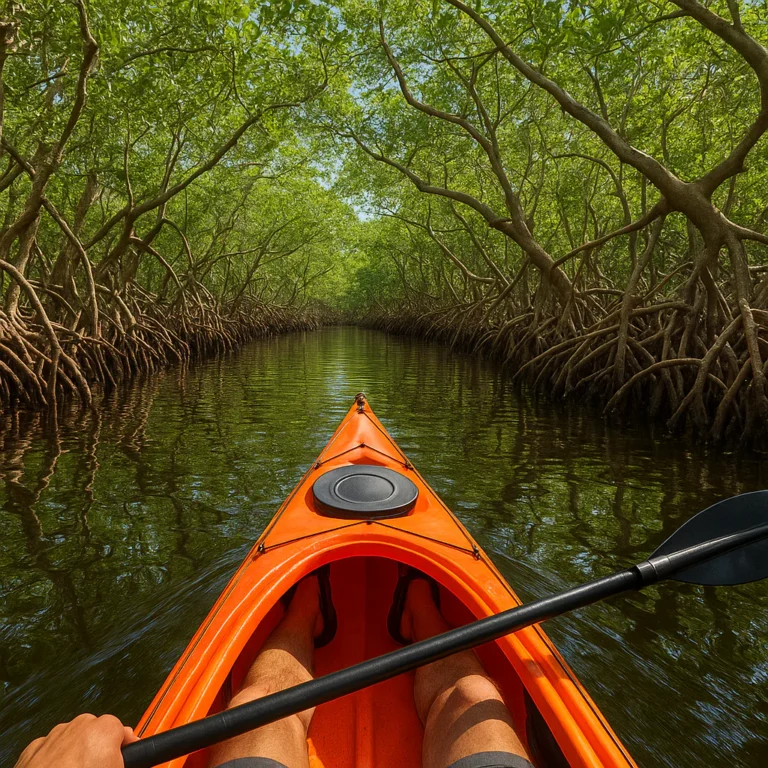
Mangrove tunnels look serene in photographs. In person, they’re also narrow, tidal, and occasionally full of branches that would like to meet your hat.
🥾 Choose Your Adventure: Trails, Paddling, Wildlife Watching, and More
South Florida preserves can be as gentle as a flat boardwalk or as demanding as a long paddle through tidal waterways. Choose the activity before choosing the preserve, then check whether the site actually supports it.
Best preserves for easy walks and boardwalks
For a more defined walking experience, consider Six Mile Cypress Slough, Corkscrew Swamp Sanctuary, CREW Bird Rookery Swamp’s accessible starting area where available, or Green Cay Wetlands in Boynton Beach. Always confirm current accessibility and hours with the site.
Green Cay is a particularly convenient urban-edge option. The Palm Beach County Green Cay Nature Center page provides official visitor information. A competitor describes its boardwalk as a family-friendly, wildlife-rich walk; visitor reviews commonly praise the scenery and calm atmosphere, though personal wildlife sightings vary. Check recent public reviews for current access and crowd conditions, not as proof that a specific animal will appear.
For families planning a nature-focused day, see our Family Adventures.
Best places for kayaking and canoeing
For paddling, investigate Rookery Bay, Estero Bay, Charlotte Harbor Preserve, Ten Thousand Islands, and designated routes in the Everglades. Their suitability depends on launch access, weather, tides, your skills, and the day’s conditions.
Step-by-step paddle planning:
- Pick a legal launch point and confirm it is open.
- Check tides, wind, and marine forecasts through the National Weather Service Marine Forecasts.
- Choose a route that fits your ability, not just your ambition.
- Wear a U.S. Coast Guard-approved life jacket. The U.S. Coast Guard’s boating safety guidance explains required and recommended safety practices.
- Share your route and return time with someone on shore.
- Carry water, navigation, and a communication plan.
If you’re new to local tides or mangrove routes, a guided paddle can be a smart first outing. Ask the operator about group size, equipment, safety briefings, and weather cancellation policies.
Birding, photography, and wildlife viewing
Early mornings are a favorite with birders because light is soft, temperatures are kinder, and animals may be active. But there’s no single magic hour: some species feed at different times, and seasonal water levels affect where wildlife gathers.
Simple birding kit:
- Binoculars from a reputable outdoor brand such as Nikon or Vortex Optics.
- A field guide or a bird-identification app such as Merlin Bird ID.
- A notebook or phone record of observations.
- Patience. The bird you’re searching for often appears while you’re looking at something else.
For photography, use a longer lens where practical and avoid pushing close to wildlife for a better frame. The National Audubon Society’s birding ethics guidance is a helpful reference.
Fishing, biking, and guided nature programs
Fishing and biking rules vary by site, trail, season, and waterway. Confirm regulations with the managing agency and, for fishing, the FWC licensing and regulations pages.
Guided walks, talks, and educational programs can add context that trail signs can’t fit. Check the calendars at Corkscrew Swamp Sanctuary, Rookery Bay, and the relevant county or state park before making a special trip.
Good practice: Don’t bring a bike onto a walking-only trail, and don’t assume fishing is permitted just because you can see water. The sign is the boss.
🐊 Wildlife to Look For in South Florida’s Nature Preserves
South Florida wildlife is a thrill precisely because sightings aren’t guaranteed. A preserve is habitat, not a stage. The best visitors learn to notice tracks, calls, riples, and movement without trying to force an encounter.
| Wildlife | Where you might encounter it | Responsible viewing tip |
|---|---|---|
| Alligators | Freshwater wetlands, canals, and slough edges | Stay well back; never feed or approach |
| Manates | Warm coastal waters and some river systems | Observe quietly and follow boating rules |
| Dolphins | Estuaries and coastal waters | Don’t chase, surround, or feed them |
| Wading birds | Marshes, mudflats, shorelines | Keep to trails and avoid rosting areas |
| Florida panther | Remote habitats, rarely seen | Do not seek, follow, or bait one |
| Turtles and snakes | Trails, boardwalk edges, and wetlands | Look, give space, and keep pets away |
For detailed guidance, see FWC’s alligator safety advice, FWC’s manatee information, and FWS information on the Florida panther.
Alligators, manates, and dolphins
Alligators are native wildlife, not an attraction to approach. Keep a safe distance, never feed one, and supervise children closely near water. FWC specifically warns that feeding alligators can make them associate people with food.
Manates and dolphins also need space. Don’t touch, pursue, or block their movement. If you’re on a boat, follow no-wake zones and wildlife-protection rules. The NOAA Marine Life Viewing Guidelines offer useful principles for respectful wildlife watching.
Wading birds, raptors, and migratory species
Herons, egrets, ibis, ospreys, and many other birds use South Florida’s wetlands and shorelines. Some are year-round residents; others pass through or appear seasonally. The Cornell Lab of Ornithology is a strong resource for identifying species and learning about their ranges.
To improve your odds without disturbing birds:
- Visit quietly and walk at a steady, unhuried pace.
- Scan water edges and tree lines.
- Avoid flushing birds from feeding or resting areas.
- Keep a respectful distance from nests and rokeries.
Florida panthers, black bears, and other elusive residents
The Florida panther is endangered and elusive. Most visitors will not see one, and that’s perfectly normal. The U.S. Fish and Wildlife Service describes its conservation status and habitat needs.
Black bears also inhabit parts of Florida. If you encounter a bear, don’t approach it, feed it, or run toward it for a photograph. Follow the relevant land manager’s guidance and report emergencies through official channels.
Orchids, bromeliads, and native wildflowers
South Florida’s plant life can be every bit as captivating as its wildlife. Fakahatche is especially associated with orchids, but rare plants should be treated as look-with-your-eyes-only treasures.
- Don’t pick flowers or remove plants.
- Stay on marked trails.
- Avoid sharing precise locations of vulnerable species.
- Photograph from the trail whenever possible.
The Florida Native Plant Society and Florida Department of Environmental Protection provide background on native plants and conservation.
📍 Plan Your Visit: Access, Facilities, and Nearby Getaways
The easiest way to prevent a frustrating outing is to confirm the details that map apps often miss: which entrance is open, whether the trail is accessible, where you can park, and whether the visitor center’s hours differ from the preserve’s hours.
How to find preserve entrances and trailheads
- Search the official managing-agency page, not just a map pin.
- Confirm the trailhead address and parking location.
- Check whether the preserve has multiple parcels or entrances.
- Download an official map or save directions offline.
- Verify that your planned route and activity are allowed.
This matters especially at Charlotte Harbor Preserve, CREW, and large state forests, where a site name can refer to several different access points.
Parking, restrooms, fees, and visitor centers
Facilities vary widely. A managed sanctuary may have restrooms and an education center; a remote trailhead may have little beyond a parking area. Some preserves are free, some charge admission, and some have different policies for parking, programs, or boat launches.
Don’t rely on old fee information. Check the official site on the day you plan to visit. For state parks, begin with Florida State Parks’ visitor information; for county preserves, use the county’s own parks pages.
Accessibility and family-friendly visits
Boardwalks and paved paths can make nature more accessible, but accessibility is route-specific. A preserve may have an accessible visitor center and a difficult trail, or a mostly accessible loop with uneven sections.
Before bringing a stroller or planning a wheelchair visit, ask the preserve about:
- Surface and width of the route.
- Stepness, ramps, and resting areas.
- Accessible parking and restrooms.
- Trail closures, boardwalk repairs, or water on the route.
For family planning, our Family Adventures section offers more Florida outings. Keep children close around water, wildlife, and trail edges, and let them be junior naturalists rather than amateur alligator wranglers.
Nearby towns, beaches, and places to stay
Pair a preserve visit with a nearby community rather than trying to cross the region in one day. Naples, Fort Myers, Estero, Sanibel, Hobe Sound, and Boynton Beach each offer different lodging and dining options.
Use our acommodation reviews and budget-friendly trips to shape the rest of your stay. For lodging logistics, compare the location and cancellation terms carefully; a cheap room far from your trailhead can cost you the sunrise you came for.
A local look at Secret Woods Nature Center
If you’re exploring Broward County, the first YouTube video embedded above, “Secret Woods Nature Center in Broward County | A South Florida Nature Destination” by LOST IN LAKES, offers a visual introduction to this local nature spot and its surroundings. It’s a helpful preview of the kind of easy-to-reach natural escape that can be hiding in plain sight between city streets.
☀️ Weather, Bugs, and Safety in South Florida’s Wild Places
Florida sunshine can turn a lovely trail into a heat-management exercise. Check the forecast, start early, and treat thunderstorms as a reason to change plans—not as a dramatic soundtrack.
Heat, humidity, storms, and seasonal flooding
The National Weather Service heat-safety guidance recommends limiting strenuous activity during the hottest part of the day and recognizing signs of heat illness. South Florida storms can develop quickly, particularly in the warmer months.
Use this simple safety routine:
- Check the forecast before leaving and again before a paddle.
- Start early and take breaks in shade.
- Drink water regularly rather than waiting until you feel very thirsty.
- Turn back if a trail floods or storms approach.
- Know how to contact emergency services and where the nearest road or shelter is.
Mosquitoes, ticks, and sun protection
Mosquitoes are a fact of life in wetland country, especially after rain and in warm months. Use an EPA-registered repellent according to its label. The Environmental Protection Agency explains how to select and use insect repellent.
Wear lightweight long sleeves, a brimed hat, and sun protection. After a hike, check yourself, children, and pets for ticks where relevant. Wash off and inspect clothing when you get back.
Alligator awareness and wildlife etiquette
Alligators are most dangerous when people feed or approach them. Follow FWC’s safety recommendations:
- Keep a safe distance.
- Never feed or harass an alligator.
- Keep pets leashed and away from the water’s edge.
- Don’t swim in areas where swimming is not permitted.
- Watch children closely around all water.
For other wildlife, the same basic principle applies: observe, don’t interfere.
What to pack for a preserve visit
| Item | Why it helps |
|---|---|
| Refillable water bottle | Hydration on hot, humid trails |
| Sun hat and sunscreen | Protection on exposed routes |
| EPA-registered insect repellent | Fewer itchy interruptions |
| Closed-toe shoes | Better grip and protection on uneven trails |
| Offline map and charged phone | Useful where reception is unreliable |
| Binoculars | Better wildlife viewing from a respectful distance |
| Small first-aid kit | A sensible backup for minor scrapes |
| Rain layer or dry bag | Helpful for sudden showers and paddling |
| Life jacket for paddling | Essential water-safety equipment |
Products such as Osprey daypacks, Nalgene water bottles, and Garmin handheld GPS devices are familiar outdoor brands, but you don’t need expensive gear for a short, easy boardwalk. Fit, comfort, and appropriate use matter more than logos.
[🌦️ When to Visit: South Florida Seasons and Wildlife Highlights](#when-to-visit-south-fl florida-seasons-and-wildlife-highlights)
There is no single perfect month for every preserve. Winter is often comfortable for walking; summer brings lush vegetation and longer days but more heat, storms, and insects. The best time depends on whether you’re after a cool hike, bird migration, flowers, paddling, or a quiet trail.
| Season | Upsides | Trade-offs |
|---|---|---|
| Dry season: roughly November–April | Often cooler and more comfortable for walking; good general wildlife-viewing conditions | Popular sites can be busier; some routes may still be dry or exposed |
| Wet season: roughly May–October | Lush scenery, seasonal water, and quieter weekdays at some sites | Heat, storms, mosquitoes, and flooding can complicate visits |
These are broad seasonal patterns, not guarantees. Check weather and preserve alerts for your exact date.
Dry season versus wet season
For a first visit, the dry season is usually the easier choice. If you’re comfortable with heat and unpredictable showers, wet season can offer a different kind of beauty and fewer people at some trailheads.
Our practical recommendation: Choose the dry season for a first long hike or paddle. Choose the wet season for a short, flexible outing close to shelter and services.
Best months for birding, wildflowers, and paddling
Bird activity changes throughout the year, and seasonal migration can make certain months especially rewarding. Native wildflowers also have their own cycles. For species-specific timing, check Audubon’s bird resources and ask the preserve or local naturalists.
For paddling, the “best month” matters less than the day’s wind, tide, rainfall, and route. Check marine conditions and never let a calendar override a safety warning.
Sunrise, sunset, and avoiding the midday heat
Sunrise is often the most comfortable time to walk and a lovely hour for wildlife watching. Sunset can beautiful, but leave enough time to get out before a trail or refuge closes. Don’t stay after hours for a prettier photograph.
A small headlamp can be useful for an early start, but it’s not permission to hike a closed or unlit route. Follow posted operating hours and park rules.
🧭 Sample South Florida Nature Preserve Itineraries
These sample plans are deliberately flexible. Trail conditions, opening hours, and weather change, so build in room to shorten the day. If a preserve visit is part of a longer holiday, browse our Florida getaway ideas and family trip inspiration.
A half-day nature escape
Option A: Fort Myers area
- Arrive early at Six Mile Cypress Slough Preserve.
- Walk the boardwalk slowly, pausing to watch for birds and turtles.
- Have lunch nearby and check current trail conditions before adding another stop.
Option B: Boynton Beach area
- Visit Green Cay Nature Center and Wetlands during its posted visiting hours.
- Walk the boardwalk and look for wading birds and turtles.
- Spend time in the nature center if it is open.
- Leave time for a meal or another low-key local stop.
Confirm all details with the Lee County preserve page or Palm Beach County’s Green Cay information.
A weekend of swamps, estuaries, and beaches
Day 1: Boardwalk and swamp habitat
- Start at Corkscrew Swamp Sanctuary or CREW Bird Rookery Swamp, depending on your route and current conditions.
- Keep the afternoon flexible for rest or a nearby town.
- Stay overnight in a convenient location rather than adding a long evening drive.
Day 2: Estuary or coast
- Choose a guided paddle or visitor program at Rookery Bay or Estero Bay.
- If conditions allow, add a beach visit nearby.
- Check launch, tide, and weather information before committing.
This itinerary pairs well with our Beach Escapes and acommodation reviews.
A family-friendly wildlife-watching day
- Pick a boardwalk or short, clearly marked route.
- Bring water, snacks, sun protection, and insect repellent.
- Give children a simple wildlife checklist: birds, tracks, leaves, and different habitats.
- Let everyone take breaks; nature is more fun when nobody is being hurried.
- Visit an education center or join a guided program if available.
- Keep kids on the trail and away from water edges.
For more low-stress outings, see our Family Adventures. The best family wildlife experience is one where the kids leave curious, comfortable, and still wearing both shoes.
🌱 How South Florida’s Preserves Protect Wildlife and Water
Preserves help protect habitats, wildlife corridors, wetlands, and water resources. They also give researchers and communities places to monitor ecological change. The South Florida Water Management District explains regional water-management work, while the National Estuarine Research Reserve System highlights research and education at estuarine reserves.
Habitat restoration and Everglades conservation
Everglades conservation involves more than a scenic swamp. It includes water flow, wetlands, habitat, and the communities that depend on these systems. The National Park Service’s Everglades information and the Comprehensive Everglades Restoration Plan offer authoritative background.
On a visitor’s scale, conservation can look small and ordinary:
- Staying on the trail.
- Keeping dogs out of sensitive habitat where prohibited.
- Not releasing pets or aquarium species.
- Avoiding litter and wildlife feeding.
- Respecting seasonal closures and nesting areas.
Those habits protect more than scenery. They reduce disturbance to plants and animals that rely on quiet, connected habitat.
Responsible recreation and leave-no-trace practices
Use the Leave No Trace principles as a practical guide:
- Plan ahead and prepare.
- Travel on durable surfaces.
- Dispose of waste properly.
- Leave what you find.
- Respect wildlife.
- Be considerate of other visitors.
That includes food scraps. An orange peel may look natural, but it doesn’t belong on a trail, and it can attract animals to people. Pack out everything you bring in.
Supporting local conservation organizations
You can support preserve work by joining a guided program, volunteering, donating, or simply following site rules. Organizations such as Audubon Florida, The Nature Conservancy in Florida, and CREW Land & Water Trust share opportunities and conservation updates.
Some visitors prefer to support through time; others contribute financially or attend public events. The best fit is the one you can sustain—and the easiest first step is to learn whose land you’re visiting and what it needs.