Support our educational content for free when you purchase through links on our site. Learn more
Florida Spring Hopping Road Trip Guide: 12 Must-See Springs 🌿

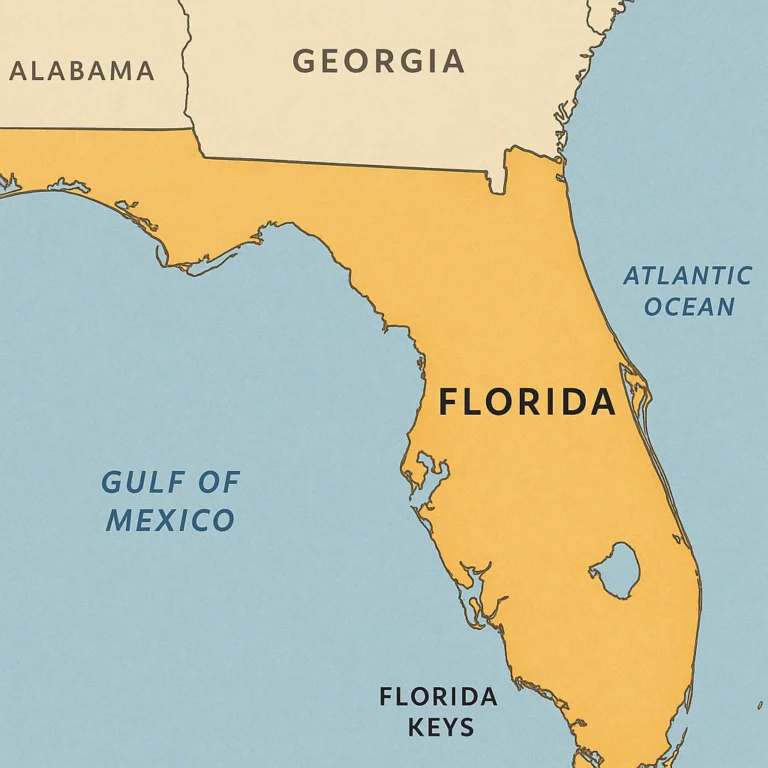
The best Florida spring hopping road trip guide starts with one simple rule: choose a region, then plan around the spring activities you actually want. Florida’s clear-water swimming holes, shady paddling runs, and winter manatee habitats make a spectacular trip, but trying to visit too many in one day can turn a refreshing getaway into a race against your GPS.
Florida has more than 1,000 identified springs, so you’re spoiled for choice. We’ve found that the magic often comes from slowing down: one morning on the water, one scenic detour, and enough time to discover the local spot you didn’t know you were looking for.
Key Takeaways
- Choose a regional route—such as the Nature Coast, Ocala, or Central Florida—to spend less time driving and more time enjoying the springs.
- Plan for the season: summer suits swimming and tubing; winter is best for manatee viewing at select sites, subject to wildlife protections.
- Check official park alerts and reservation rules before you go; access, capacity, and activities can change.
- Match the spring to your plans: some are made for swimming or paddling, while others are best for wildlife viewing or glass-bottom boat tours.
- Pack water shoes, sun protection, drinking water, and a dry bag, and follow posted safety rules to protect yourself and Florida’s spring ecosystems.
Table of Contents
- ⚡ Quick Tips and Facts
- 🌿 Florida Springs Road Trip: What “Spring Hopping” Means
- 🗺️ Plan Your Florida Spring Hopping Road Trip
- Best Time to Visit Florida’s Natural Springs
- How Many Days to Set Aside
- Where to Start and Which Airport to Use
- Driving Distances and Route Planning
- 🚗 The Ultimate Florida Springs Road Trip Itinerary
- 1. Weeki Wache Springs State Park
- 2. Rainbow Springs State Park
- 3. KP Hole Park
- 4. Three Sisters Springs
- 5. Homosassa Springs and Ellie Schiller Homosassa Springs Wildlife State Park
- 6. Crystal River National Wildlife Refuge
- 7. Silver Springs State Park
- 8. Juniper Springs Recreation Area
- 9. Alexander Springs Recreation Area
- 10. Rock Springs Run State Reserve
- 11. Kelly Park and Rock Springs
- 12. Wekiwa Springs State Park
- 🧭 Alternative Florida Springs Routes
- North Florida Springs Loop
- Central Florida Springs Loop
- Gulf Coast Springs and Manatee Route
- 🏊 Swimming, Snorkeling, Tubing, and Kayaking
- Which Florida Springs Are Best for Swimming?
- Where to Go Tubing and Kayaking
- Snorkeling, Scuba Diving, and Underwater Caves
- Manatee Viewing and Wildlife Etiquette
- 🎒 What to Pack for a Florida Springs Trip
- 🏕️ Where to Stay: Campgrounds, Cabins, and Nearby Hotels
- 🍴 Where to Eat Near Florida’s Springs
- ♿ Accessibility, Families, and Pet-Friendly Stops
- 🌱 Springs Safety and Responsible Travel
- 💡 Reservations, Park Rules, and Practical Road Trip Tips
- 📸 Photo Spots and Scenic Detours
- Conclusion
- Recommended Links
- FAQ
- Reference Links
⚡ Quick Tips and Facts
If you’re piecing together Florida getaways, a spring-hopping road trip is one of our favorite ways to trade beach crowds for clear water, shady trails, and classic Florida roadside charm. The catch? “Florida springs” isn’t one single kind of stop. Some are for swimming, some are for paddling, and at a few you’ll admire the water from a boardwalk instead of jumping in.
| At a glance | What to know |
|---|---|
| Best trip length | 3–7 days gives you time for several springs without turning the vacation into a windshield marathon. |
| Water temperature | Many North and Central Florida springs stay near the low 70s°F year-round, though local conditions vary. |
| Best season for swimming | Late spring through summer is popular for swimming and tubing. |
| Best season for manates | Winter, when manates gather at certain springs for warmer water; access restrictions may apply. |
| Weekend strategy | Arrive early, reserve when required, and check park alerts before driving. Some parks close entry when full. |
| Essential safety rule | Swim only in designated areas; never enter underwater caves unless you are a properly trained and equipped cave diver. |
| Best road-trip rhythm | Pick one or two main water stops a day, then add a short trail, meal, or historic detour. |
Florida has more than 1,000 identified springs, but that doesn’t mean you should try to collect them like souvenir magnets. A spring, its river run, and its surrounding park can each have separate access rules. For a first trip, we’d choose a region and build a relaxed loop rather than chasing every blue dot on a map.
Our quick recommendations:
- For a family-friendly first trip: Rainbow Springs, Silver Springs, and a carefully planned stop at Kelly Park or Wekiwa Springs.
- For paddling: Weeki Wache River, Rainbow River, or Juniper Run, depending on your experience and current conditions.
- For manates: Crystal River and Three Sisters Springs in winter, following current wildlife-protection rules.
- For a quieter forest feel: Alexander Springs or selected Ocala National Forest sites.
- For a history-and-scenery day: Silver Springs State Park and its glass-bottom boat tours.
The video guide linked as #featured-video offers a useful Tampa-area perspective, including day-trip distances and stops such as Rainbow Springs, Kelly Park, and Silver Springs. Treat its drive times and seasonal access notes as a starting point: traffic, park reservations, water levels, and closures can change the plan.
We’ve learned that the best spring day often starts before the first sunbather arrives. One summer morning at a popular park, we watched the parking line grow while were still pulling on our water shoes. We got our swim, but the late arrivals got a lesson in why “arrive early” is not just local naging. 🌞 Check Florida State Parks alerts and the relevant park page before setting out.
🌿 Florida Springs Road Trip: What “Spring Hopping” Means
Florida spring hopping means traveling between natural freshwater springs and their connected rivers, stopping for activities such as swimming, snorkeling, paddling, hiking, wildlife viewing, and glass-bottom boat tours. It’s not always a string of swim stops. Some springs are protected habitats, some have no swimming access, and some require a paddle or boat to reach.
Florida’s spring water emerges from the Floridan aquifer system, a vast underground water source beneath much of the state and neighboring regions. Rainwater moves through porous limestone and can emerge at springs, creating clear pools and spring runs. The water’s clarity is dazzling, but it can also create a false sense of depth: always follow posted depth markers and stay inside designated swimming areas. Learn more from the U.S. Geological Survey’s overview of springs and the Florida Department of Environmental Protection’s springs resources.
What counts as a Florida spring?
A spring is a natural place where groundwater flows to the surface. Florida’s springs vary widely in size, setting, and public access. Some create large swimming basins; others form a river’s source or feed a protected wetland.
You’ll hear about first-magnitude springs. In the traditional classification, that means a spring discharges at least 100 cubic feet of water per second, or about 64.6 million gallons per day. It’s a flow classification, not a rating of how pretty, safe, or visitor-friendly a spring is. The Florida Geological Survey provides scientific information on Florida’s geology and springs.
Why spring hopping feels different from a beach trip
- Freshwater instead of saltwater: No ocean surf, though spring runs can have current.
- Cool, steady water: Many springs stay much cooler than summer air, which feels wonderful after a hot drive.
- More rules and sensitive habitats: Springs support fish, turtles, birds, and other wildlife; some areas are closed to protect them.
- Park-by-park logistics: A state park, county park, national forest recreation area, and private spring attraction may all have different entry systems.
- More than swimming: A day might include a boardwalk, trail, canoe rental, wildlife viewing, or a historic attraction.
For a broader mix of coastal and inland escapes, browse our local Florida insights and beach escapes. Just don’t expect a spring to behave like a public beach with a big sandy entrance. Access is part of the adventure—and occasionally the plot twist.
Why we recommend choosing a region first
Florida is large. Driving from one end of the springs belt to another can consume the day you meant to spend in the water. Choose a cluster:
| Region | Good base areas | Spring-trip character |
|---|---|---|
| Nature Coast | Crystal River, Homosassa, Chiefland | Manates in season, rivers, wildlife, Gulf-side communities |
| Ocala and north-central Florida | Ocala, Dunnellon, Silver Springs | Big spring parks, forest recreation, glass-bottom boats |
| Central Florida | Apopka, Orlando outskirts, DeLand | Convenient access, family attractions, trails and paddling |
| North Florida | High Springs, Fort White, Live Oak | Spring-fed rivers, cave-country scenery, quieter rural roads |
| Panhandle | Marianna, Ponce de Leon, Tallahassee area | Clear-water swimming holes, paddling, and varied limestone landscapes |
That regional approach is also the one used by Florida Hikes’ springs guide, which groups spring destinations into practical clusters rather than pretending every stop belongs one quick loop.
🗺️ Plan Your Florida Spring Hopping Road Trip
A successful spring-hopping route depends less on how many springs you can name and more on which ones are open, accessible, and suited to your group. We plan around the activity first, then fit the drives around it.
Best Time to Visit Florida’s Natural Springs
There isn’t one perfect season for every spring.
| Season | Best for | What to plan around |
|---|---|---|
| Winter | Manatee viewing at selected sites; comfortable hiking | Swimming may feel chilly, and wildlife protections can restrict water access. |
| Spring | Mild weather, paddling, trails, and shoulder-season visits | Weekends and school breaks can still be busy; check water and weather conditions. |
| Summer | Swimming, tubing, and cooling off | Heat, thunderstorms, crowds, capacity limits, and early parking closures. |
| Fall | Warm water, fewer peak-summer crowds, outdoor activities | Weather and hours vary; monitor storm forecasts during hurricane season. |
Many springs stay near a fairly constant temperature, but don’t treat one statewide number as a guarantee. Temperatures differ by spring, and surface conditions can shift with weather and flow. For example, a video guide describes Rock Springs as colder than many nearby springs, while Florida Hikes gives a broader regional range. These sources are not necessarily contradicting each other: they may refer to different springs, measurement points, or conditions. Trust current park information and on-site signage over a generalized temperature claim.
Summer is not automatically the best time for every visitor. Florida Hikes recommends summer spring trips as a way to escape the heat, and that makes sense if your main goal is swimming. But summer also brings heat, afternoon storms, and busy weekends. For a quiet hike or manatee viewing, winter may suit you better.
How Many Days to Set Aside
- One day: Choose one major spring and one nearby secondary activity. Don’t try to make a long-distance sampler.
- Two days: Visit two or three destinations in one region, with an overnight stay between them.
- Three days: Enough for a satisfying regional loop, such as the Nature Coast or Ocala area.
- Five to seven days: Lets you combine several spring parks with hiking, paddling, wildlife, and local towns.
- More than a week: Consider separate regional legs rather than repeatedly crossing the state.
A spring stop can take longer than expected. Parking, changing, waiting for rentals, paddling downstream, and finding lunch all count. Plan around a full morning or afternoon at a favorite park, not a frantic 45-minute dip.
For families, add buffer time for snacks, sunscreen, bathroom breaks, and the inevitable “I dropped my goggles” moment. Our family adventures offer more ideas for making a Florida outing work for mixed ages.
Where to Start and Which Airport to Use
Pick the airport that matches your route, not the one with the most familiar name.
| Route area | Airports to consider | Useful for |
|---|---|---|
| Nature Coast and Tampa-area springs | Tampa International Airport | Weeki Wache, Crystal River, Homosassa, Rainbow Springs |
| Ocala and north-central route | Orlando International Airport or Gainesville Regional Airport | Silver Springs, Ocala National Forest, Rainbow Springs |
| North Florida springs | Gainesville Regional Airport or Jacksonville International Airport | High Springs, Fort White, Suwanee-area routes |
| Panhandle springs | Tallahassee International Airport or Northwest Florida Beaches International Airport | Tallahassee-area and western Panhandle springs |
Drive times vary with traffic and exact park entrances. A video may estimate a stop as a certain number of hours from Tampa, while a live map gives a different result on a holiday weekend. Use the estimate for orientation and a current navigation app for the actual drive.
Driving Distances and Route Planning
Before booking lodging, map the actual entrance and parking area for each stop. A spring’s name may refer to a whole park, river, recreation area, or private attraction, and the access point can be several miles from the destination’s most familiar town.
Step-by-step route planning:
- Choose your region. Start with the Nature Coast, Ocala, Central Florida, North Florida, or the Panhandle.
- Choose your must-do activity. Swimming? Manatee viewing? Tubing? Glass-bottom boats? This narows the list fast.
- Check official access and rules. Verify hours, closures, swimming status, launch arrangements, reservations, and capacity.
- Group stops by geography. Avoid zigzaging across counties for one extra photo.
- Add a weather backup. Keep a nearby trail, museum, wildlife center, or second park in reserve.
- Book lodging near the last stop of the day. That helps avoid a long, tired drive after swimming.
- Save offline directions and park phone numbers. Cell coverage can be patchy in forests and rural areas.
| Route-planning question | Our practical answer |
|---|---|
| How many springs per day? | Usually one main spring, perhaps two if they’re close and the second is a short visit. |
| How much driving is too much? | If the drive eats up the activity time, split the route with an overnight. |
| Should I use a rental car? | A standard car is enough for most paved park roads; check specific road conditions forest destinations. |
| Can I decide on the day? | Sometimes, but popular parks may fill or require advance reservations. |
| Is a boat or kayak essential? | Only at some sites; others have land-based swimming or viewing areas. |
🚗 The Ultimate Florida Springs Road Trip Itinerary
This is a menu of strong stops, not a promise that all 12 fit into one trip. The route below moves broadly from the Nature Coast toward north-central and Central Florida. For a comfortable three-day version, pick three or four destinations in one area; for a longer trip, add a second cluster.
| Stop | Best for | Swimming? | Key planning note |
|---|---|---|---|
| Weeki Wache Springs State Park | Mermaid shows and river paddling | At Buccaner Bay when open | Check show and water-park schedules |
| Rainbow Springs State Park | Swimming, tubing, scenery | Yes, subject to conditions | Separate headspring and tubing access |
| KP Hole Park | Rainbow River tubing and paddling | River access | Check launch and shuttle arrangements |
| Three Sisters Springs | Manatee viewing and boardwalks | Seasonal rules apply | Check Crystal River refuge and park access |
| Homosassa Springs Wildlife State Park | Native wildlife viewing | No typical spring swimming visit | Wildlife park experience, not a swim stop |
| Crystal River National Wildlife Refuge | Manatee protection and viewing | Restrictions depend on area and season | Follow current refuge rules |
| Silver Springs State Park | Glass-bottom boats and trails | No swimming at the state park | Boat tours are the signature activity |
| Juniper Springs Recreation Area | Swimming and wilderness paddling | Yes, where open | River trips require logistics and preparation |
| Alexander Springs Recreation Area | Swimming, snorkeling, forest setting | Yes, where open | Check recreation-area status and facilities |
| Rock Springs Run State Reserve | Paddling and wild scenery | Access depends on launch and rules | Don’t confuse the reserve with Kelly Park |
| Kelly Park and Rock Springs | Natural lazy-river tubing | Yes, in designated area | Arrive early; capacity is limited |
| Wekiwa Springs State Park | Swimming, trails, paddling | Yes, in designated area | Popular Central Florida park; check alerts |
1. Weeki Wache Springs State Park
Best for: Mermaid shows, family outings, and paddling the Weeki Wache River.
Weeki Wache is a spring park with a distinctly Florida blend of clear water and old-school roadside spectacle. The famous mermaid performances began in 1947, and the park’s official page lists current attraction details and visitor information.
- Mermaid shows: Check the official schedule and entry arrangements before traveling.
- Buccaner Bay: Water-park access and operations may be seasonal or subject to capacity.
- Paddling: The river is a scenic way to experience the spring run, but access, rentals, and launch rules can change.
- Wildlife: Keep distance from manates and other animals; don’t touch, feed, or chase them.
Our tip: Decide in advance whether this is a “show day” or a “paddle day.” Trying to squeeze both into a packed summer schedule can make the visit feel like a relay race in a swimsuit.
For a family-focused itinerary, see our family adventures and check the park’s current alerts.
2. Rainbow Springs State Park
Best for: Spring swimming, gardens, waterfalls, and nearby river activities.
Rainbow Springs is one of the state’s best-known spring destinations. The park has a developed headsprings area with swimming access, gardens, and historic landscape features, including man-made waterfalls from its days as a private attraction. The Florida State Parks page is the authority for current access and conditions.
Important distinction: The park’s headsprings swimming area and river tubing access are not interchangeable. Tubing may be operated from a separate access point, and launch, shuttle, rental, and seasonal arrangements can differ.
- Swimming: Follow lifeguard instructions and posted area limits.
- Tubing and paddling: Confirm where rentals and launches operate before driving to the park.
- Scenery: Walk the gardens and waterfalls even if you’re not swimming.
- Crowds: Weekends and holidays can be busy, especially in warm weather.
A Tampa-area video guide highlights Rainbow Springs for its water, river activities, and waterfalls. Its description of “waterfalls in Florida” captures the surprise visitors often feel, but remember that these are landscape features associated with the historic attraction, not a natural Florida mountain waterfall.
3. KP Hole Park
Best for: Rainbow River access, tubing, and paddling.
KP Hole Park, operated by Marion County, is a popular launch point on the Rainbow River. It’s a different experience from the Rainbow Springs State Park headsprings area: check which entrance, activity, and shuttle arrangement you need before you go.
- Confirm current launch and rental availability with Marion County.
- Wear a properly fitted life jacket when required and follow river rules.
- Protect the river’s vegetation; don’t stand or drag equipment through sensitive beds.
- Plan your pickup or return logistics before launching.
The river is beautiful enough to make you forget time. That’s lovely until you realize your shuttle reservation, lunch plan, and dry clothes are all back at the car. Pack a small dry bag and know the route before you float.
4. Three Sisters Springs
Best for: Manatee viewing, especially in winter.
Three Sisters Springs is part of the Crystal River area and is famed for its clear water and winter manatee viewing. Access and water activities are controlled to protect wildlife, and the rules can change by location and season. Check the Crystal River National Wildlife Refuge and City of Crystal River Three Sisters Springs information before your visit.
- Boardwalk viewing may be available when water access is restricted.
- Swimming and paddling rules depend on current protection zones and conditions.
- Never approach, touch, feed, or block a manatee.
- Use licensed operators who follow federal wildlife-viewing guidelines.
We once planned a “quick swim” and discovered the day’s better experience was simply watching manates drift through the water from a boardwalk. It was the right call. At a wildlife refuge, the animal’s needs get top billing.
For guidance on respectful viewing, read the U.S. Fish and Wildlife Service’s manatee information and check current refuge notices.
5. Homosassa Springs and Ellie Schiller Homosassa Springs Wildlife State Park
Best for: Wildlife viewing and an educational stop on the Nature Coast.
Ellie Schiller Homosassa Springs Wildlife State Park is a wildlife park, not a standard public swimming spring. Visitors can see native Florida wildlife and learn about the area’s natural habitats. Check Florida State Parks for current hours and accessibility details.
This makes a good contrast stop after a morning on the water:
- Families: A change of pace from swimming and paddling.
- Wildlife lovers: Opportunities to observe native animals in a managed park setting.
- Road trippers: A useful rainy-day or non-swimming activity.
- Visitors expecting a swim: Choose another destination for that purpose.
Our advice: don’t put this on the itinerary under “swimming.” Put it under “wildlife and a change of pace,” and you’ll enjoy it for what it is.
6. Crystal River National Wildlife Refuge
Best for: Understanding manatee habitat and planning responsible water access.
The refuge protects wintering manates and other habitat in the Crystal River region. Swimming, boating, and wildlife-viewing rules depend on the exact location and current seasonal protections. Start with the U.S. Fish and Wildlife Service refuge page and its current notices.
Before booking a manatee experience:
- Confirm the activity is allowed at your chosen site and date.
- Choose an operator who follows current federal and local rules.
- Listen to the guide’s instructions before entering the water.
- Observe from a distance and let manates decide whether to approach.
- Never chase, touch, feed, or block animal’s path.
The best wildlife encounter is the one that leaves the animals undisturbed—and leaves you with a good story rather than a citation.
7. Silver Springs State Park
Best for: Glass-bottom boat tours, wildlife, and easy-to-enjoy scenery.
Silver Springs is a major spring complex with a celebrated glass-bottom boat experience. Swimming is not allowed at the state park’s spring area, so don’t pack your swimsuit expecting a dip. The official park page has current tour and visitor details.
- Glass-bottom boats: See underwater features, fish, and other aquatic life from above.
- Trails: Explore the park on foot or by bike where permitted.
- History: The springs have a long history as a Florida attraction and film location.
- Wildlife: Watch quietly and follow park guidance.
A Winebago road-trip account calls the glass-bottom boat tour a highlight and says, “His boat trip and narrative have only improved with age.” That’s one traveler’s enthusiastic perspective, not a scientific evaluation—but it makes a fair point: the guide can turn a boat ride into a moving natural-history lesson. Read the Winebago springs-trip account for its full route and RV perspective.
8. Juniper Springs Recreation Area
Best for: Forest scenery, swimming, and a memorable paddle.
Juniper Springs Recreation Area sits in Ocala National Forest. It’s known for clear water, wooded surroundings, and paddling opportunities. The U.S. Forest Service provides forest information; verify recreation-area status, water conditions, and access before travel.
- Swimming: Use only open, designated areas.
- Paddling: The Juniper Run is a wilderness-style paddle, not a casual pool lap. Check distance, duration, rentals, and return logistics.
- Forest setting: Expect shade, wildlife, and a more rustic experience than a developed city park.
- Preparation: Bring water, sun protection, and a backup plan for weather or closures.
The Winebago account calls Juniper its favorite and describes the canoe trip as taking about six hours. That is a traveler’s trip report, not a guaranteed duration. Your pace, water levels, shuttle timing, and current operations can all change the day.
9. Alexander Springs Recreation Area
Best for: Swimming, snorkeling, and a forest-based spring stop.
Alexander Springs is a popular Ocala National Forest destination with a developed swimming area. It offers a different mood from the river-run paddles nearby: more spring pool, less downstream expedition. Check the U.S. Forest Service’s Ocala National Forest information for current access and recreation details.
- Use designated entrances and obey posted depth and swimming rules.
- Bring a mask only if swimming conditions and park rules permit.
- Watch your footing around wet surfaces.
- Check for closures before driving into the forest.
A video guide calls Alexander Springs underrated and cites a high daily flow figure. Flow statistics are useful context, but they do not tell you whether the swimming area is open, crowded, or safe on your chosen day. Current conditions come first.
10. Rock Springs Run State Reserve
Best for: Paddling and a more natural Central Florida landscape.
Rock Springs Run State Reserve is not the same place as Kelly Park’s popular tubing area. The reserve offers a quieter, more natural setting and activities such as hiking, wildlife viewing, and paddling, subject to current access and rules. See the Florida State Parks page.
- Check which launch points are open.
- Confirm shuttle and rental arrangements.
- Expect natural conditions rather than a fully serviced attraction.
- Stay on marked trails and observe wildlife from a distance.
This distinction matters because online trip reports sometimes use “Rock Springs” to describe several nearby places. Before you set your navigation, confirm the park name, entrance, and activity.
11. Kelly Park and Rock Springs
Best for: Tubing down a clear, spring-fed run.
Kelly Park at Rock Springs is a favorite for natural-lazy-river tubing. The water is cool, the current carries you along, and the scenery is a lot more enchanting than the average water park queue. The Orange County Parks page provides park details; check current park alerts and entry rules before you go.
- Arrive early, especially on weekends and holidays.
- Confirm whether tubing equipment is available to rent or bring your own under current rules.
- Wear water shoes and keep valuables secured.
- Follow park directions for the permitted route and exit point.
- Don’t assume the adjacent commercial launch has the same rules as the county park.
The video guide describes Rock Springs as its favorite natural lazy river and notes that the water can feel colder than nearby springs. That’s a subjective but useful heads-up: a Florida summer day can be hot enough that chilly water feels refreshing; on a cool morning, it may feel bracing.
12. Wekiwa Springs State Park
Best for: Swimming, hiking, paddling, and an easy Central Florida add-on.
Wekiwa Springs is a well-known state park near the Orlando area. The spring, trails, and paddling opportunities make it a versatile stop, but popularity means you should check entry status before setting out. Visit the official Wekiwa Springs State Park page.
- Swim: Use the designated spring area and obey posted rules.
- Hike: Choose a route that fits your group’s heat tolerance and daylight.
- Paddle: Confirm launch availability and equipment logistics.
- Plan: Keep a backup stop in mind if the park reaches capacity.
The park’s name comes from a Creek-derived word commonly translated as “spring,” according to Florida park materials. As ever with Indigenous place names, translations can vary by source and language history. Enjoy the name, but trust the park itself for current visitor information.
🧭 Alternative Florida Springs Routes
One route does not suit every road trip. These regional options are easier to manage than trying to connect every famous spring in one loop.
North Florida Springs Loop
Suggested base: High Springs, Fort White, or Live Oak.
Build a route around spring-fed rivers and swimming areas, adding destinations such as Ichetucknee Springs, Gilchrist Blue Springs, or Suwanee-region parks depending on current access and your chosen activities.
Good for:
- Clear-water swimming and paddling
- A quieter rural road-trip feel
- Spring-to-spring day trips with modest driving
- Exploring limestone landscapes and river corridors
The Florida State Parks Ichetucknee Springs page and the Gilchrist Blue Springs page provide official access details. Confirm tubing seasons, launches, and shuttle arrangements before traveling.
Central Florida Springs Loop
Suggested base: Ocala, Apopka, or DeLand.
A Central Florida route can combine Silver Springs, Alexander Springs, Juniper Springs, Wekiwa Springs, or Kelly Park. Pick stops by activity rather than name recognition: a glass-bottom boat day is a very different outing from a tubing day.
A comfortable three-day outline:
| Day | Main outing | Optional add-on |
|---|---|---|
| 1 | Silver Springs glass-bottom boat and trails | Ocala-area meal or historic stop |
| 2 | Juniper or Alexander Springs | Forest walk or campground night |
| 3 | Kelly Park or Wekiwa Springs | Local park or short scenic detour |
Use the U.S. Forest Service for national forest recreation updates and Florida State Parks alerts for state park changes.
Gulf Coast Springs and Manatee Route
Suggested base: Weeki Wache, Homosassa, Crystal River, or Dunnellon.
This route pairs springs with Gulf-side towns, wildlife viewing, and river paddling. Possible stops include Weeki Wache, Homosassa, Crystal River, Three Sisters Springs, and Rainbow Springs.
Best season depends on your priority:
- Choose summer for swimming and tubing.
- Choose winter for manatee-viewing opportunities, while following seasonal rules.
- Choose spring or fall for a mix of outdoor activities and potentially milder conditions.
For a coastal break between inland stops, browse our beach escapes. Keep the route honest: a spring, wildlife park, and beach can each take most of a day.
🏊 Swimming, Snorkeling, Tubing, and Kayaking
Which Florida Springs Are Best for Swimming?
The “best” swimming spring depends on your comfort level, access needs, and whether you want a developed swimming area or a natural river experience.
| Spring destination | Swimming style | Best suited to |
|---|---|---|
| Rainbow Springs State Park | Designated headsprings swimming area | Families and visitors who want amenities |
| Alexander Springs | Developed swimming area | Swimming and snorkeling |
| Kelly Park at Rock Springs | Natural spring run and tubing | Tubers and confident water users who follow park rules |
| Wekiwa Springs | Designated spring swimming area | Central Florida visitors and families |
| Fanning Springs State Park | River and spring swimming access, subject to conditions | Nature Coast visitors |
| Ichetucknee Springs State Park | River activities with seasonal and area-specific rules | Tubers and paddlers |
Swimming availability can change. Water quality notices, weather, wildlife restrictions, maintenance, and capacity can affect access. Use official pages and alerts rather than relying on an old blog post or a social-media clip.
Where to Go Tubing and Kayaking
- Kelly Park/Rock Springs: A popular natural tubing experience; arrive early and confirm equipment rules.
- Rainbow River: Tubing, canoeing, and kayaking options vary by access point.
- Weeki Wache River: A scenic paddling route with wildlife-viewing opportunities.
- Ichetucknee River: A well-known tubing destination with seasonal operating rules.
- Juniper Run: A longer, more wilderness-style paddle that takes preparation.
Before you launch:
- Check the route length and expected time.
- Confirm whether you need a shuttle, reservation, or rental.
- Wear a properly fitted life jacket and follow operator guidance.
- Bring drinking water in a secured container.
- Keep your phone and keys in a waterproof pouch.
- Know where you must exit; don’t pull over on private or protected land.
The Winebago travelers’ Juniper Run took about six hours, while other paddles can be much shorter. That difference is exactly why we don’t recommend booking a second big activity until you know the paddle’s actual logistics.
Snorkeling, Scuba Diving, and Underwater Caves
Snorkeling in an open, designated spring swimming area is different from entering a submerged cave. Cave diving is a highly specialized activity with serious risks. It is not a casual extension of snorkeling, and clear water does not make an overhead environment safe.
- Snorkel only where permitted.
- Never descend into an underwater cave without appropriate training, certification, equipment, and a properly planned dive.
- Follow site-specific rules at private attractions such as Devil’s Den.
- Do not disturb submerged vegetation, rocks, or artifacts.
The National Speleological Society Cave Diving Section provides information about cave-diving training and safety. For ordinary visitors, the safest plan is simple: stay in open-water swimming areas and enjoy the caves from a qualified, permitted perspective.
Manatee Viewing and Wildlife Etiquette
Manatee viewing is a winter highlight at certain springs, but these are protected wild animals, not interactive props.
- Observe from a boardwalk or designated viewing point when available.
- Follow current federal and local sanctuary rules.
- Never touch, chase, feed, surround, or separate a manatee from its group.
- Keep boats at safe speeds and obey posted zones.
- Use a responsible tour operator if you choose an in-water experience.
The U.S. Fish and Wildlife Service’s manatee guidance explains protections and viewing etiquette. At Three Sisters Springs, access can differ between land-based viewing and water entry, so check the current site rules instead of assuming what worked last winter will work this winter.
🎒 What to Pack for a Florida Springs Trip
Pack for sun, water, and wet feet—not for a fantasy of strolling from your car directly into a pool.
| Item | Why it helps |
|---|---|
| Reef-safe or park-approved sun protection | Protects your skin; follow local guidance on products near sensitive water |
| Water shoes | Useful on rocky, slippery, or uneven surfaces |
| Swimsuit and quick-dry clothes | Easier for changing between water and trail activities |
| Towel and dry change of clothes | A wet car seat is a small tragedy that becomes a large one on a long drive |
| Reusable water bottle | Hydration matters in Florida heat |
| Waterproof phone pouch or dry bag | Protects keys, phone, and essentials on a paddle |
| Hat and sunglasses | Shade is welcome even at a spring |
| Insect repellent | Helpful near wooded and wetland areas |
| Small first-aid kit | Blisters, scrapes, and minor mishaps happen |
| Snacks and cooler | Useful where food options are limited |
| Life jacket, if required or appropriate | Follow state, park, rental, and boating rules |
| Offline map and park details | Rural cell service can be unreliable |
| Binoculars | A low-impact way to watch birds and other wildlife |
Leave behind: glass containers where prohibited, disposable items you can avoid, and anything you are tempted to feed to wildlife. For lodging and packing inspiration, see our acommodation reviews and budget-friendly trips.
🏕️ Where to Stay: Campgrounds, Cabins, and Nearby Hotels
The best place to sleep is usually close to the last major activity of the day. That’s especially true after a long paddle or a sun-soaked afternoon.
| Stay type | Best for | What to check |
|---|---|---|
| State park campground | Nature-focused stays and early park entry | Reservations, facilities, vehicle limits, and seasonal availability |
| National forest campground | Rustic forest access | Hookups, road conditions, water availability, and booking rules |
| Private campground or RV park | RV amenities and flexible facilities | Site size, hookups, pet rules, and distance to launches |
| Cabin or vacation rental | Families and longer stays | Cleaning rules, parking, cancellation terms, and proximity |
| Town hotel | Comfort, dining, and easy logistics | Drive time to the park entrance, not just the town center |
The Winebago account notes that many Ocala National Forest campgrounds are more rustic, while Salt Springs is an exception with fuller hookups. Conditions and services can change, so verify directly through the U.S. Forest Service and the Florida State Parks reservation system.
For lodging comparisons and trip ideas, visit our acommodation reviews. We recommend booking a place with a clear cancellation policy if your route depends on water access or weather.
RV tip: Confirm whether the campground accommodates your vehicle length and any towed vehicle. “RV-friendly” is not a universal measurement.
🍴 Where to Eat Near Florida’s Springs
Spring parks are often surrounded by rural communities, not a full row of late-night restaurants. Plan your meals before you get hungry.
- Pack breakfast and snacks for an early entry.
- Look for local seafood, citrus, barbecue, and Southern-style comfort food in nearby towns.
- Try the Old Spanish Sugar Mill Restaurant at De Leon Springs State Park for its distinctive cook-your-own pancakes, checking current operating information before a special trip.
- Ask local staff where they eat; they often know the low-key spots that don’t dominate search results.
- Keep a cooler in the car, but don’t leave food accessible to wildlife at campsites.
We like to keep one meal flexible. That way, if a paddle takes longer or a park closes early, the day doesn’t collapse because we had booked lunch on the other side of the county. For more community-minded tips, browse Local Insights.
♿ Accessibility, Families, and Pet-Friendly Stops
Accessibility
Access varies widely. Some parks have paved paths, boardwalks, accessible restrooms, and viewing areas; others have uneven ground, sand, stairs, or narrow trails.
Before traveling, contact the park about:
- Accessible parking and restrooms
- Boardwalk and trail surfaces
- Water-entry options
- Boat-tour accessibility
- Equipment and service-animal policies
- Current construction or closures
For official park-specific details, use the relevant Florida State Parks page or contact the site directly. Don’t assume a “nature trail” or “spring access” is wheelchair-friendly just because it appears short on a map.
Families
Good family planning is mostly pacing.
- Choose one main water activity per day.
- Check depth, current, and lifeguard arrangements.
- Bring flotation gear appropriate to your child’s age and swimming ability.
- Agree on a meeting point and basic water rules.
- Keep a dry change of clothes and snacks available.
- Choose a wildlife or boardwalk stop as a lower-energy alternative.
For more ideas, see our Family Adventures category.
Pets
Pet rules differ by park and activity. Some parks allow pets in selected outdoor areas but not at swimming areas, on boats, or inside buildings. Check the specific park’s official policy before bringing a dog. Never leave a pet in a parked car in Florida heat.
🌱 Springs Safety and Responsible Travel
Florida’s springs are beautiful, but clear water is not a safety certificate. Currents, slippery surfaces, changing weather, submerged obstacles, and sudden depth changes deserve respect.
Water safety checklist
- Swim only in designated areas.
- Follow lifeguard instructions and posted signs.
- Use a properly fitted life jacket for paddling where required or appropriate.
- Supervise children closely and stay within their ability.
- Avoid diving headfirst into unfamiliar water.
- Do not enter caves or restricted areas.
- Check for closures, water-quality notices, and severe-weather alerts.
- Leave the water if lightning approaches.
Protecting spring ecosystems
Florida’s springs are connected to groundwater systems vulnerable to pollution and nutrient impacts. Visitor choices matter, even when you’re just there for a day.
- Carry out every piece of litter.
- Avoid trampling submerged plants.
- Use established trails and launch sites.
- Don’t feed wildlife or leave food behind.
- Follow boating speed restrictions and no-wake zones.
- Choose reusable containers when practical.
- Respect closures, even when the water looks tempting.
The Florida Department of Environmental Protection tracks spring restoration and protection work. The Florida Fish and Wildlife Conservation Commission provides wildlife guidance. Healthy springs are not scenery alone; they’re part of the state’s water system.
💡 Reservations, Park Rules, and Practical Road Trip Tips
Florida springs don’t share one booking system. A state park, county park, national forest recreation area, and private attraction may each require different reservations or have different capacity limits.
Use this checklist 24–48 hours before each stop:
- Open the official park or recreation-area page.
- Check hours, entry status, alerts, and swimming access.
- Confirm reservations, passes, rentals, and shuttle requirements.
- Verify whether pets, glass, outside tubes, or coolers are permitted.
- Check weather, water levels, and relevant wildlife notices.
- Save directions to the correct entrance.
- Identify a backup stop nearby.
Why online sources sometimes disagree
A traveler’s blog may describe a park as open for swimming, while a newer official notice says the area is closed for maintenance or wildlife protection. A video might quote a spring’s usual temperature, while a park sign reflects that day’s conditions. Those can all be true at different times.
What to trust first:
- Current official park or agency alerts
- The managing authority’s visitor page
- Current local operator information for rentals and launches
- Recent visitor reviews for practical context
- Older articles and social posts for inspiration, not final decisions
The Facebook post titled “The Ultimate Florida Springs Road Trip” is not publicly verifiable from its supplied page because it displays a login prompt rather than accessible post details. We therefore don’t rely on it for route claims or quotations. By contrast, Florida Hikes’ springs guide and the Winebago RV itinerary offer accessible trip perspectives, but their firsthand observations still shouldn’t replace current official rules.
Tips that save time and frustration
- Arrive early: Popular summer parks may reach capacity.
- Keep a backup: Nearby springs can have different access rules, but don’t assume the backup will have space.
- Don’t overbook: A long paddle plus a second timed attraction is a risky pairing.
- Refuel before rural stretches: Gas stations may be sparse near forest routes.
- Carry cash and cards: Some operations have different payment systems; check ahead.
- Bring a second towel: The first one always seems to become a damp seat cover.
📸 Photo Spots and Scenic Detours
The best photos often come from slowing down rather than chasing a famous overlook.
- Rainbow Springs: Gardens and historic waterfalls create variety beyond the spring pool.
- Silver Springs: Glass-bottom boats offer a different perspective on underwater scenery.
- Three Sisters Springs: Boardwalk viewing can be a memorable wildlife experience in manatee season.
- Juniper Springs: Forest textures and historic features add character to spring-water shots.
- Weeki Wache: The mermaid attraction makes for a wonderfully unusual Florida memory.
- Nature Coast towns: Add a waterfront walk or local market between park visits.
- Ocala National Forest: Look for shaded trails and scrub landscapes, staying on marked routes.
Photo etiquette: Don’t use flash or crowd wildlife. Keep tripods and equipment out of paths, and never step into a closed area for a better angle. For a scenic coastal contrast, browse Beach Escapes and add a separate beach day rather than squeezing it into a spring stop.
A small mystery from the start of this guide is now solved: the most memorable spring-hopping trip isn’t the one with the most stops. It’s the one where you know which spring is for swimming, which is for wildlife, and which deserves an unhuried boat ride. Keep the route regional, check current rules, and leave room for the stop you didn’t expect to love.