Support our educational content for free when you purchase through links on our site. Learn more
🦅 10 Top Wildlife Viewing Getaways in Merritt Island (2026)

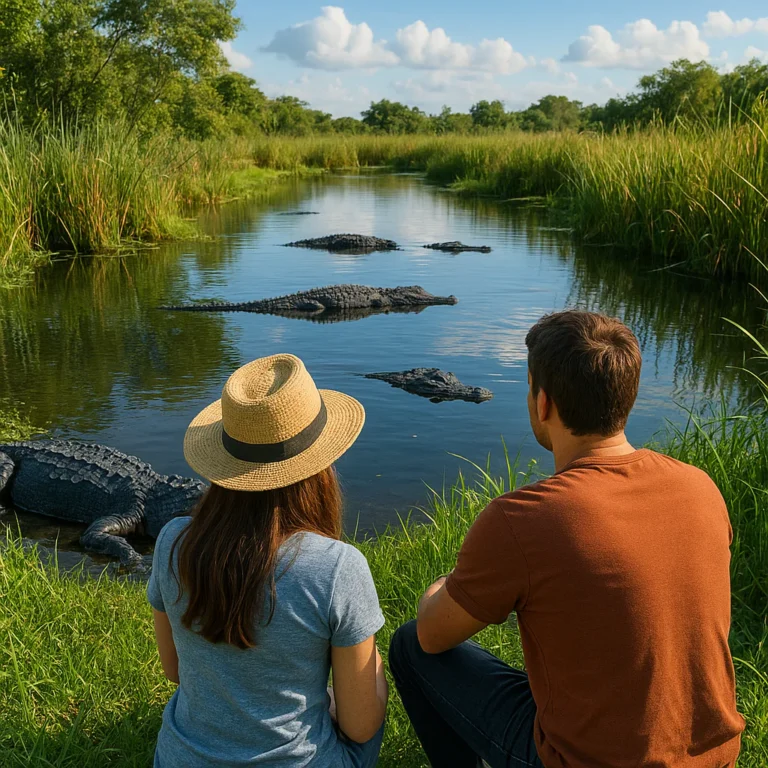
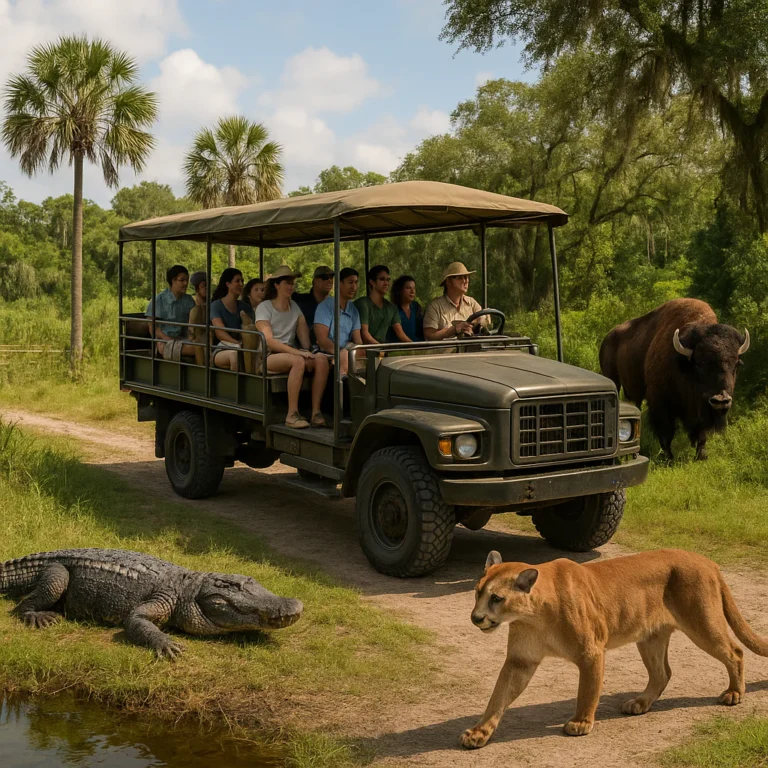
Forget the crowded theme parks; the real magic of Florida happens where the alligators bask and the manates glide. As local residents of the Space Coast, we’ve spent countless mornings with our coffee thermoses and binoculars, chasing the elusive Florida Scrub-Jay and witnessing the silent grace of a manatee in the Haulover Canal. Did you know that Merritt Island National Wildlife Refuge is home to over 350 species of birds and serves as a critical winter sanctuary for the endangered West Indian Manatee? While other guides might list just seven spots, we’ve uncovered 10 must-see wildlife viewing getaways that will transform your next trip from a simple drive to an unforgettable adventure. From the hidden gems of Peacocks Pocket Road to the sunrise spectacles at Black Point, this guide reveals exactly where to go, when to arrive, and how to capture the wild heart of Florida.
Key Takeaways
- Entry is Free: Unlike Florida’s major attractions, accessing the Merritt Island National Wildlife Refuge costs nothing, making it the ultimate budget-friendly trip for nature lovers.
- Timing is Everything: The best wildlife viewing occurs at sunrise and sunset; rolling in at 10 AM often means missing the action entirely.
- Beyond the Drive: While the famous Black Point Wildlife Drive is a must, our list of 10 top spots includes hidden dike roads and trails where rare birds and elusive mammals thrive away from the crowds.
- Year-Round Wonders: You can spot manates in the Haulover Canal and Bald Eagles in the scrub habitats regardless of the season, though winter offers the highest density of waterfowl.
- Gear Up Right: Success hinges on bringing the right equipment, including high-quality binoculars, long-lens cameras, and insect repellent to handle the humid marsh environment.
Table of Contents
-
🏨 Where to Stay: Lodging Near Merritt Island National Wildlife Refuge
-
❓ Frequently Asked Questions About Merritt Island Wildlife Getaways
⚡️ Quick Tips and Facts
Before you pack your bags and head to the Space Coast, let’s hit the rewind button on a few myths and set the stage for the ultimate wildlife viewing getaway in Merritt Island. We’ve spent countless hours here, binoculars in hand and coffee in thermos, and we’ve learned that this place is a beast of a different color.
- It’s Free! Unlike many of Florida’s theme parks that charge an arm and a leg, entry to the Merritt Island National Wildlife Refuge (MINWR) is completely free. Yes, you read that right. The only cost is your gas and your patience.
- The “Big 7” Myth: While the Black Point Wildlife Drive is the crown jewel, it’s not the only game in town. We’ve seen more rare birds on the quiet dike roads than on the main drag.
- Manates are Year-Round: Don’t wait for winter to see them. While they congregate in warmer waters in the cold months, the Haulover Canal offers sightings almost 365 days a year.
- No Pets Allowed: This is a strict rule. We know you love your pup, but the stress on the wildlife is too high. Leave them at home or find a sitter.
- Sunrise is King: The wildlife is most active at dawn. If you roll in at 10 AM, you’re mostly going to see sleeping alligators and very grumpy birds.
If you’re looking for more ways to explore the Sunshine State without breaking the bank, check out our guide to Budget-friendly Trips or dive deeper into our Florida Getaways overview to plan your perfect itinerary.
📜 A Brief History of Merritt Island’s Wild Heritage

You might think this marshy paradise has always been a sanctuary for birds and beasts, but the story of Merritt Island is a fascinating tale of conflict, compromise, and conservation.
The Space Race and the Birth of a Refuge
In the early 1960s, NASA was gearing up for the moon landing. The Kennedy Space Center (KSC) was expanding rapidly, and the land surrounding it was a chaotic mix of cattle ranches, citrus groves, and mosquito-infested swamps. The government needed a buffer zone to protect the sensitive launch operations from prying eyes and to manage the environmental impact of the massive infrastructure boom.
In 1963, the US Fish and Wildlife Service stepped in, acquiring over 131,0 acres to create the Merritt Island National Wildlife Refuge. It wasn’t just about saving birds; it was about creating a living shield for the space program. As the USFWS notes, the refuge was established to “provide a buffer for the Kennedy Space Center while protecting the unique ecosystem.”
From Cattle to Conservation
Before the refuge, this land was a working landscape. You could find cattle grazing where the Florida Scrub-Jay now hops between scrub oaks. The transformation was dramatic. The old citrus groves were cleared, and the land was allowed to revert to its natural state, creating a mosaic of habitats that would eventually support over 350 species of birds.
Why the History Matters to You
Understanding this history changes how you view the landscape. When you drive the Black Point Wildlife Drive, you aren’t just looking at a marsh; you’re looking at a carefully managed ecosystem that balances human industry with nature. The impoundments you see today are often remnants of old agricultural ditches, now repurposed to manage water levels for wading birds.
Did you know? The refuge is home to archaeological evidence of at least seven distinct Indian cultures dating back thousands of years, including burial mounds and shell middens. It’s a place where history is written in the soil as much as in the sky.
🦅 Top 10 Must-See Wildlife Viewing Spots in Merritt Island
Okay, let’s get down to business. You want to see the animals, right? We’ve compiled a list of the top 10 wildlife viewing spots that will make your jaw drop. Forget the “Top 7” lists you might find elsewhere; we’re giving you the full 10, because why settle for less when the wildlife is this abundant?
1. Black Point Wildlife Drive
This is the main event. A 7-mile one-way loop that takes you through the heart of the refuge.
- What to expect: Impoundments teming with waterfowl, alligators basking on the banks, and the occasional Bald Eagle soaring overhead.
- Pro Tip: Drive slowly (max 25 mph). The best sightings happen when you stop at the pull-offs.
- Best Time: Early morning or late afternoon.
2. Haulover Canal Manatee Observation Deck
If you want to see manates up close, this is your spot. The deck is handicap accessible and offers a clear view into the canal where these gentle giants congregate.
- What to expect: Dozens of manates, especially in the cooler months, but also year-round.
- Pro Tip: Bring a long lens. They can be shy, but if they’re in the mood, they’ll come right up to the glass.
3. Allan Cruickshank Memorial Trail
A 4.8-mile paved trail perfect for hiking, biking, or rollerblading. It cuts through a variety of habitats, from scrub to hardwood hammock.
- What to expect: Florida Scrub-Jays, rabbits, and a great chance to spot Kirtland’s Warblers in the winter.
- Pro Tip: This is one of the few places where you can bike and still see wildlife.
4. Peacocks Pocket Road
A hidden gem for the serious birder. This dike road is less traveled than Black Point, meaning the birds are less habituated to cars.
- What to expect: Rare shorebirds, Sora Rails, and Northern Pintails.
- Pro Tip: Park your car and walk a bit. The silence here is golden.
5. Catfish Loop
Another excellent dike road that offers a different perspective on the refuge’s water management systems.
- What to expect: Great Blue Herons, Roseate Spoonbills, and the occasional American Alligator.
- Pro Tip: Check the water levels. When the water is low, the birds are more concentrated.
6. Gator Creek Road
As the name suggests, this is the place to see alligators. But don’t let that scare you; they are generally docile unless provoked.
- What to expect: Large alligators, Snapping Turtles, and a variety of wading birds.
- Pro Tip: Keep your distance. We’ve seen people get too close, and it’s never a good idea.
7. Bio Lab Road
Located along the Indian River Lagoon, this spot is fantastic for wading birds and shorebirds.
- What to expect: Tricolored Herons, Least Terns, and Black Skimmers.
- Pro Tip: Spring and fall migration seasons are the best times to visit.
8. Oak Hammock & Palm Hammock Trails
These trails offer a change of pace from the wetlands. You’ll be walking through a dense hardwood hammock.
- What to expect: Woodpeckers, Owls, and the elusive Florida Panther (though sightings are rare).
- Pro Tip: Listen for the calls of the birds. The canopy can make it hard to see them.
9. Scrub Ridge Trail
This trail is dedicated to the Florida Scrub-Jay, a bird found nowhere else on Earth.
- What to expect: Scrub-Jays, Eastern Bluebirds, and a unique scrub ecosystem.
- Pro Tip: The birds are bold here. They might even hop onto your car if you’re lucky.
10. Bairs Cove
A lesser-known spot that offers great views of the Indian River Lagoon and is a launch point for bioluminescent kayaking at night.
- What to expect: Manates, Dolphins, and a stunning sunset.
- Pro Tip: Visit at night for the bioluminescence. It’s a magical experience.
| Spot Name | Best For | Difficulty | Accessibility |
|---|---|---|---|
| Black Point Wildlife Drive | Waterfowl, Alligators | Easy (Drive) | High |
| Haulover Canal | Manates | Easy (Walk) | High |
| Allan Cruickshank Trail | Hiking, Biking | Moderate | High |
| Peacocks Pocket Rd. | Rare Birds | Moderate (Walk) | Low |
| Catfish Loop | Wading Birds | Moderate (Walk) | Low |
| Gator Creek Rd. | Alligators | Moderate (Walk) | Low |
| Bio Lab Road | Shorebirds | Moderate (Walk) | Low |
| Oak/Palm Hammock | Forest Birds | Moderate (Walk) | Low |
| Scrub Ridge Trail | Scrub-Jays | Moderate (Walk) | Low |
| Bairs Cove | Manates, Night Tours | Easy (Walk) | Medium |
🚗 Best Hiking Trails for Birdwatching and Nature Walks
While driving is great, sometimes you need to get out of the car and feel the earth beneath your feet. The Merritt Island National Wildlife Refuge offers a variety of trails that cater to all fitness levels.
The Allan Cruickshank Memorial Trail
This is the star of the show for hikers. At 4.8 miles, it’s a perfect loop that takes you through diverse habitats.
- Why we love it: It’s paved, so it’s great for strollers and wheelchairs. Plus, the views of the lagoon are spectacular.
- What to bring: Water, sunscreen, and a good pair of binoculars.
- What to see: Florida Scrub-Jays, Bald Eagles, and Red-shouldered Hawks.
The Scrub Ridge Trail
If you’re a birdwatcher, this is a must-visit. The trail is designed to showcase the unique scrub ecosystem of Florida.
- Why we love it: It’s one of the few places where you can see the Florida Scrub-Jay in its natural habitat.
- What to bring: A field guide to Florida birds.
- What to see: Eastern Bluebirds, Scrub-Jays, and Gopher Tortoises.
The Oak Hammock & Palm Hammock Trails
These trails offer a different experience, taking you through a dense hardwood hammock.
- Why we love it: It’s a great way to escape the heat and enjoy the shade.
- What to bring: A flashlight if you’re hiking late in the day.
- What to see: Woodpeckers, Owls, and Raccons.
Tips for Hiking in the Refuge
- Stay on the trails: The vegetation is fragile, and straying can damage the habitat.
- Watch your step: The trails can be muddy, especially after rain.
- Be aware of wildlife: Alligators and snakes are common. Keep a safe distance.
🚤 Guided Boat Tours vs. Self-Guided Kayaking Adventures
Water is the lifeblood of Merritt Island, and experiencing it from a boat or kayak is a game-changer. But which is right for you?
Guided Boat Tours
If you want a guided experience with an expert, a boat tour is the way to go.
- Pros: You get expert commentary, access to areas you can’t reach on your own, and the chance to see manates and dolphins up close.
- Cons: It can be more expensive, and you’re on a schedule.
- Recommended Brand: Captain’s Choice offers excellent tours in the area. You can check availability and book through Captain’s Choice or search for “Merritt Island boat tours” on Tripadvisor.
Self-Guided Kayaking
For the adventurous soul, kayaking offers a more intimate experience.
- Pros: You set your own pace, you can go where you want, and it’s generally cheaper.
- Cons: You need your own gear, and you need to know what you’re doing.
- Recommended Brand: REI has a great selection of kayaks. You can find the perfect one for your needs on REI or Amazon.
Comparison Table
| Feature | Guided Boat Tour | Self-Guided Kayaking |
|---|---|---|
| Cost | Higher | Lower |
| Flexibility | Low (Fixed Schedule) | High (Your Pace) |
| Expertise | Included | You provide it |
| Access | Deep water, restricted areas | Shallow water, coves |
| Best For | Beginners, Families | Adventurers, Solo Travelers |
📸 Photography Tips for Capturing Florida’s Wildlife
You’ve seen the animals, now you want to capture them. Here are some photography tips to help you get the perfect shot.
Gear Up
- Camera: A DSLR or mirrorless camera with a good zoom lens is essential.
- Lens: A 20-40mm lens is ideal for wildlife.
- Tripod: A sturdy tripod is a must for stability.
- Recommended Brand: Canon and Nikon offer excellent wildlife lenses. Check out Canon’s wildlife lenses or Nikon’s wildlife lenses.
Techniques
- Patience: Wildlife photography is all about patience. Wait for the perfect moment.
- Lighting: Shoot during the golden hour (sunrise and sunset) for the best light.
- Focus: Use continuous focus mode to track moving animals.
- Composition: Follow the rule of thirds to create a balanced image.
Ethical Considerations
- Respect the animals: Never get too close. Use a long lens to maintain a safe distance.
- Don’t disturb: Avoid making noise or sudden movements that could scare the animals.
🎒 Essential Gear and What to Pack for Your Trip
Packing for a wildlife viewing getaway requires a bit of strategy. Here’s what you need to bring.
Clothing
- Lightweight, breathable clothing: The Florida heat is no joke.
- Long sleeves and pants: To protect against mosquitoes and sun.
- Hat and sunglasses: Essential for sun protection.
- Rain jacket: Florida weather can change quickly.
Equipment
- Binoculars: A must-have for birdwatching.
- Camera and lenses: As mentioned above.
- Water bottle: Stay hydrated.
- Snacks: Keep your energy up.
- Recommended Brand: Vortex Optics offers great binoculars. Check out Vortex’s binoculars or Amazon.
Miscellaneous
- Insect repellent: Mosquitoes are a fact of life in Florida.
- Sunscreen: Protect your skin.
- First aid kit: Just in case.
- Map of the refuge: Download a map before you go.
🗓️ Best Times of Year to Visit for Wildlife Sightings
Timing is everything when it comes to wildlife viewing. Here’s a breakdown of the best times to visit.
Spring (March – May)
- Highlights: Migration season. You’ll see a variety of shorebirds and wading birds.
- Weather: Warm and humid.
- Best Spots: Bio Lab Road, Black Point Wildlife Drive.
Summer (June – August)
- Highlights: Alligators and turtles are active. It’s also the season for bioluminescent kayaking.
- Weather: Hot and humid, with afternoon thunderstorms.
- Best Spots: Bairs Cove, Haulover Canal.
Fall (September – November)
- Highlights: Another migration season. Great for waterfowl and raptors.
- Weather: Cooler and drier.
- Best Spots: Black Point Wildlife Drive, Peacocks Pocket Road.
Winter (December – February)
- Highlights: Manates congregate in the warmer waters. Great for waterfowl.
- Weather: Cool and dry.
- Best Spots: Haulover Canal, Black Point Wildlife Drive.
🏨 Where to Stay: Lodging Near Merritt Island National Wildlife Refuge
After a long day of wildlife viewing, you’ll need a comfortable place to rest. Here are some of the best lodging options near the refuge.
Hotels and Resorts
- Hampton Inn & Suites Titusville: Close to the refuge and offers a free breakfast.
- Holiday Inn Express & Suites Cocoa Beach: A bit further, but great for beach access.
- Recommended Brand: Mariott and Hilton have several properties in the area. Check out Mariott’s Titusville hotels or Hilton’s Titusville hotels.
Vacation Rentals
- Airbnb: Great for families or groups.
- VRBO: Another excellent option for vacation rentals.
- Recommended Brand: Check out Airbnb’s Titusville rentals or VRBO’s Titusville rentals.
Camping
- Merritt Island National Wildlife Refuge Campground: If you want to stay right in the refuge, this is the place.
- Recommended Brand: Check out Recreation.gov for camping reservations.
❓ Frequently Asked Questions About Merritt Island Wildlife Getaways
Got questions? We’ve got answers. Here are some of the most common questions we get about wildlife viewing getaways in Merritt Island.
Is the refuge open year-round?
Yes, the refuge is open daily from sunrise to sunset. The Visitor Center is open Tuesday to Saturday, 8 a.m. – 3:30 p.m.
Can I bring my dog?
No, pets are not allowed in the refuge to protect the wildlife.
Are there restrooms?
Yes, there are restrooms at the Visitor Center and at several pull-offs along the Black Point Wildlife Drive.
Is there an entrance fee?
No, entry to the refuge is free.
What should I wear?
Dress in layers, wear comfortable shoes, and bring a hat and sunscreen.
Can I fish in the refuge?
Yes, fishing is allowed in certain areas, but you need a valid Florida fishing license.
Are there guided tours available?
Yes, there are guided boat tours and kayak tours available. Check with local operators for schedules.
What is the best time of day to visit?
Early morning or late afternoon is the best time to visit, as the wildlife is most active then.
Can I see manates year-round?
Yes, manates can be seen year-round, but they are more common in the cooler months.
Is the refuge safe?
Yes, the refuge is generally safe, but you should always be aware of your surroundings and keep a safe distance from wildlife.
🔗 Recommended Links and Resources
Here are some useful links to help you plan your wildlife viewing getaway in Merritt Island.
- US Fish & Wildlife Service – Merritt Island National Wildlife Refuge
- Florida Birding Trail – Merritt Island National Wildlife Refuge
- Merritt Island National Wildlife Refuge Visitor Map
- Florida Getaways – Nature and Wildlife
- Florida Getaways – Family Adventures
- Florida Getaways – Local Insights
📚 Reference Links
- US Fish & Wildlife Service – Merritt Island National Wildlife Refuge
- Florida Birding Trail – Merritt Island National Wildlife Refuge
- Komoot – Attractions in Merritt Island National Wildlife Refuge
- YouTube – 30 Bird Challenge: Merritt Island National Wildlife Refuge
Conclusion

So, did we solve the mystery of the perfect wildlife viewing getaway in Merritt Island? The answer is a resounding yes, but with a caveat: you have to be willing to trade the comfort of a theme park queue for the thrill of a sunrise in the marsh.
Throughout our journey, we’ve debunked the myth that you need to spend a fortune to see incredible wildlife. We’ve shown you that the Black Point Wildlife Drive is just the tip of the iceberg, and that the quiet dike roads often hold the rarest treasures. We’ve resolved the question of when to go (dawn is non-negotiable!) and what to bring (binoculars, patience, and bug spray).
Our Confident Recommendation:
If you are a nature lover, a birdwatcher, or just someone who wants to see Florida in its rawest, most beautiful form, Merritt Island National Wildlife Refuge is an absolute must-visit. It is one of the few places where you can see manates, Bald Eagles, and Florida Scrub-Jays all in a single morning, all for the price of a tank of gas.
- Positives: Free entry, incredible biodiversity, accessible boardwalks, family-friendly, unique habitats (scrub, marsh, lagoon), and the chance to see rare species like the Kirtland’s Warbler.
- Negatives: No pets allowed, limited facilities on some trails, weather can be unpredictable, and the “drive-by” nature of Black Point means you need to be patient to spot animals.
Final Verdict: Don’t just drive through; stop, observe, and respect. The refuge is a living laboratory, and you are a guest. Pack your gear, wake up early, and get ready for the adventure of a lifetime. The wildlife is waiting, and they aren’t going anywhere.
🔗 Recommended Links and Resources
Ready to gear up for your trip? Here are the essential products and resources we recommend based on our personal experience.
Essential Gear & Brands
- Binoculars: You can’t see the details without them. We swear by Vortex Optics for their durability and clarity.
👉 Shop Vortex Binoculars on: Amazon | Vortex Optics Official Website - Camera Lenses: For those elusive shots of the Roseate Spoonbill or Bald Eagle, a telephoto lens is key.
👉 Shop Canon Telephoto Lenses on: Amazon | Canon USA Official Website
👉 Shop Nikon Telephoto Lenses on: Amazon | Nikon USA Official Website - Kayaks: For a self-guided adventure at Bairs Cove, a stable kayak is a must.
👉 Shop Kayaks on: Amazon | REI Official Website - Insect Repellent: Florida mosquitoes are no joke. Off! and Sawyer Products are our go-to brands.
👉 Shop Insect Repellent on: Amazon | Sawyer Products Official Website
Books & Guides
- Field Guide to the Birds of Florida: An indispensable companion for identifying the 350+ species you might encounter.
👉 Shop “Birds of Florida” Field Guide on: Amazon - Merritt Island National Wildlife Refuge Map: Always good to have a physical backup.
Download Official Map: USFWS Map
Accomodation & Tours
- Local Boat Tours: For a guided experience, check out Captain’s Choice or search for local operators.
Find Boat Tours on: Tripadvisor | Viator - Hotels & Rentals:
Book Hotels on: Booking.com | Expedia
Book Vacation Rentals on: Airbnb | VRBO
❓ Frequently Asked Questions
What should I pack for a wildlife viewing trip to Merritt Island?
Beyond the basics, you need to pack strategically. Lightweight, breathable clothing is essential due to the humidity, but long sleeves and pants are crucial for protection against mosquitoes and thorny scrub vegetation. Don’t forget a wide-brimed hat, polarized sunglasses (to cut glare off the water), and high-SPF sunscreen. For gear, a good pair of binoculars (8×42 or 10×42 is ideal), a camera with a zoom lens, and a reusable water bottle are non-negotiable. If you plan on hiking, wear sturdy, closed-toe shoes with good traction.
Where are the top birdwatching spots in Merritt Island?
While Black Point Wildlife Drive is the most famous, serious birders should head to Peacocks Pocket Road and Catfish Loop for less disturbed habitats. The Bio Lab Road is exceptional for shorebirds, and the Scrub Ridge Trail is the premier spot for the endemic Florida Scrub-Jay. For a mix of habitats, the Allan Cruickshank Memorial Trail offers paved access through scrub and hammock.
How do I plan a budget-friendly wildlife viewing getaway in Merritt Island?
The best part about Merritt Island is that entry is free. To keep costs low, bring your own picnic lunch and snacks, as there are no food vendors inside the refuge. Use your own vehicle for the wildlife drives. For accommodation, look for vacation rentals in Titusville or Cocoa Beach rather than luxury resorts, or consider camping at the refuge campground if you have the gear. Many of the best viewing spots are accessible via public roads or short walks, eliminating the need for expensive guided tours.
What wildlife species can I see in Merritt Island year-round?
You can reliably see American Alligators, Bald Eagles, Great Blue Herons, Great Egrets, and White Ibis throughout the year. Manates are also present year-round, particularly in the Haulover Canal, though they are more visible in cooler months. The Florida Scrub-Jay is a resident species found on the Scrub Ridge Trail regardless of the season.
Are there guided wildlife tours available in Merritt Island?
Yes, while the refuge itself is self-guided, several local operators offer guided boat tours and kayak tours that explore the surrounding waterways like the Indian River Lagoon and Mosquito Lagoon. These tours often provide expert commentary on local ecology and wildlife behavior. You can find these through local outfitters or by searching on platforms like Viator and Tripadvisor.
When is the best time of year for wildlife viewing in Merritt Island?
The best time depends on what you want to see. Winter (December-February) is ideal for manates and migratory waterfowl. Spring (March-May) and Fall (September-November) are peak migration seasons for shorebirds and raptors, offering the highest diversity. Summer is great for seeing alligators and turtles, and for bioluminescent kayaking, though it is hotter and more humid.
What are the best wildlife viewing getaways in Merritt Island for families?
Families will love the Haulover Canal Manatee Observation Deck because it’s handicap accessible and offers guaranteed sightings. The Allan Cruickshank Memorial Trail is perfect for strollers and bikes. The Black Point Wildlife Drive is also family-friendly as it requires no hiking, just driving and stopping at pull-offs. The Visitor Center offers educational exhibits and a movie that kids enjoy.
What wildlife species are unique to the Merritt Island area?
The Florida Scrub-Jay is the most notable unique species, found nowhere else on Earth. While not exclusive to Merritt Island, the refuge supports one of the largest populations. The Kirtland’s Warbler, a rare migratory bird, also winters here. The Gopher Tortoise is another keystone species found in the scrub habitats.
Where can I see manates in Merritt Island National Wildlife Refuge?
The Haulover Canal Manatee Observation Deck is the primary and most accessible spot. Bairs Cove is another excellent location, especially for kayakers. Manates congregate here because the water is slightly warmer and food is abundant. They can be seen year-round, but numbers swell in the winter.
What are the best times of year for wildlife viewing in Merritt Island?
(See “When is the best time of year…” above for a detailed breakdown). In short: Winter for manates and waterfowl, Spring/Fall for migration diversity, and Summer for reptiles and bioluminescence.
Is Merritt Island suitable for families interested in nature and wildlife?
Absolutely. It is one of the most family-friendly nature destinations in Florida. The accessible boardwalks, paved trails, and drive-through wildlife viewing make it easy for children of all ages to participate. The Visitor Center provides educational resources, and the abundance of wildlife keeps kids engaged. Just remember to teach them to respect the wildlife and stay on the trails.
📚 Reference Links
- US Fish & Wildlife Service: Merritt Island National Wildlife Refuge Official Site
- Florida Birding Trail: Merritt Island National Wildlife Refuge Site Page
- Komoot: Attractions and Places To See in Merritt Island National Wildlife Refuge – Top 7
- National Park Service: Canaveral National Seashore (Adjacent to MINWR)
- Florida Fish and Wildlife Conservation Commission: Manatee Viewing Information
- Vortex Optics: Binoculars & Optics
- Canon USA: Telephoto Lenses
- Nikon USA: Telephoto Lenses
- REI: Kayaks & Water Sports
- Sawyer Products: Insect Repellent