Support our educational content for free when you purchase through links on our site. Learn more
🌿 15 Top Sustainable Travel Destinations in Florida (2026)


Did you know that Florida is home to the largest subtropical wilderness in the United States, yet it’s also one of the most visited states on the planet? It’s a delicate balance, isn’t it? We’ve all been there: standing on a pristine beach, watching a sea turtle hatchling make its perilous journey to the ocean, only to realize the plastic bottle you just finished is the last thing that turtle needs to see. At Florida Getaways™, we’ve spent years chasing the sun, but lately, we’ve been chasing a different kind of light—the kind that shines on conservation efforts, eco-friendly lodging, and ethical wildlife encounters.
Forget the crowded theme parks for a moment. This guide isn’t just about where to go; it’s about how to go. We’ve curated a definitive list of 15 sustainable travel destinations in Florida that prove you can have the vacation of a lifetime without leaving a heavy footprint. From the marine sanctuaries of the Keys to the wilderness of the Everglades, we’ll show you how to swap disposable straws for reusable ones, trade gas-guzzling boats for electric kayaks, and even volunteer your time to help restore the very ecosystems you’re here to enjoy. Ready to discover the green side of the Sunshine State? Let’s dive in.
Key Takeaways
- Top 15 Destinations: Discover the 15 most sustainable travel destinations in Florida, ranging from the Florida Keys to Sanibel Island, each offering unique eco-friendly activities.
- Ethical Wildlife: Learn how to interact responsibly with manates, sea turtles, and dolphins through certified sanctuaries and voluntourism programs.
- Green Stays & Eats: Find eco-certified hotels and farm-to-table restaurants that prioritize zero-waste practices and local sourcing.
- Low-Impact Travel: Master the art of carbon-neutral mobility using Florida’s growing network of electric vehicle rentals, bike-share programs, and public transit.
- Give Back: Explore opportunities to volunteer for habitat restoration and beach clean-ups while you vacation.
Table of Contents
- ⚡️ Quick Tips and Facts
- 🌿 The Evolution of Green Tourism: A History of Florida’s Eco-Movement
- 🏝️ Top 15 Sustainable Travel Destinations in Florida for the Conscious Explorer
- 1. The Florida Keys: A Model for Marine Conservation
- 2. Everglades National Park: Walking the Wild Edge
- 3. St. Augustine: Where History Mets Habitat Restoration
- 4. The Space Coast: Rocket Science and Sea Turtle Rescue
- 5. Fort Myers & Sanibel: The Shell-Shocked Sanctuary
- 6. Orlando Beyond the Theme Parks: Springs and State Parks
- 7. Tampa Bay & St. Pete-Clearwater: Urban Greening and Gulf Waters
- 8. Naples & Marco Island: Luxury with a Low Carbon Footprint
- 9. Pensacola & Destin: Preserving the Emerald Coast
- 10. Jacksonville & Amelia Island: The Wild Atlantic Coast
- 1. Tallahasee: The Greenest Capital City
- 12. Martin County & The Treasure Coast: Untouched Wilderness
- 13. Sarasota: Art, Nature, and Sustainable Living
- 14. Palm Beaches: High-End Eco-Initiatives
- 15. Panhandle Hidden Gems: Beyond the Beaches
- 🐢 Wildlife Encounters: Ethical Interactions with Florida’s Fauna
- Dolphin Research Center vs. Marine Parks: What’s the Difference?
- Sea Turtle Conservation: From Nesting to Release
- Wolf Preserves and Native Species Sanctuaries
- 🚲 Green Mobility: How to Get Around Without the Carbon Guilt
- 🏨 Eco-Lodging: Where to Sleep Sustainably in the Sunshine State
- 🍽️ Farm-to-Table Dining: Tasting Florida’s Local Harvest
- 🤝 Voluntourism: How to Give Back While You Vacation
- 💍 Planning an Eco-Friendly Wedding in Florida
- 🐝 Surprising Conservation Wins: From Honeybes to Seagrass
- 📋 Essential Packing List for the Sustainable Florida Traveler
- ❓ Frequently Asked Questions About Eco-Tourism in Florida
- 🏆 Conclusion: Your Journey to a Grener Florida Starts Now
- 🔗 Recommended Links: Resources for the Eco-Conscious Traveler
- 📚 Reference Links: Sources and Further Reading
Quick Tips and Facts
Welcome to the Sunshine State, but let’s be real: Florida is more than just theme parks and sunscreen. It’s a living, breathing ecosystem that needs your help to stay vibrant. As residents of Florida Getaways™, we’ve spent decades navigating the swamps, springs, and sandy shores of this diverse peninsula. We’ve seen the impact of tourism firsthand, and we’ve also seen the incredible resilience of nature when treated with respect.
Here is your essential cheat sheet for sustainable travel in Florida. Keep these facts in mind as you plan your eco-friendly adventure:
- 🐢 Sea Turtle Season is Critical: Nesting season runs from May 1 to October 31. Avoid beach lighting that disorients hatchlings and stay out of marked nesting areas.
- 🚫 No Single-Use Plastics in the Keys: The Florida Keys have banned single-use plastic bags, straws, and cutlery. Bring your own reusable gear!
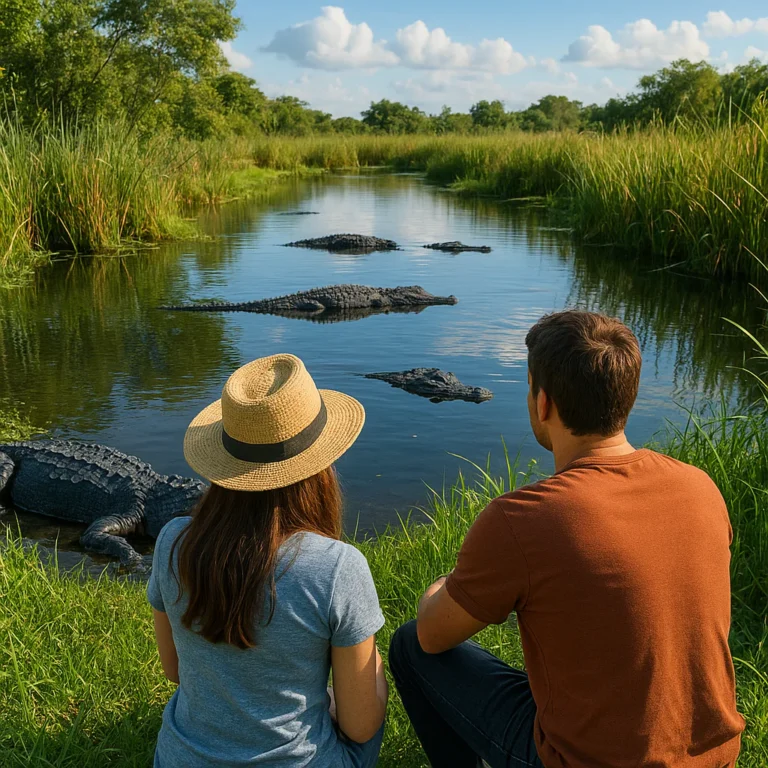
- 🐊 Alligators Are Everywhere: In the Everglades and many state parks, alligators are common. Keep a safe distance and never feed them.
- 🌊 Water Quality Matters: Check the Florida Healthy Beaches Program before swimming. Red tide (harmful algal blooms) can occur, especially on the Gulf Coast.
- 🚲 Bike-Friendly Destinations: Many coastal towns like Key West and St. Augustine are highly walkable and bikeable. Use public transit or rent an e-bike to reduce your carbon footprint.
- 🐋 Manatee Protection Zones: Manates are federally protected. Maintain a 20-foot distance from them in the water. If they approach you, stay still and let them leave.
- ♻️ Leave No Trace: Pack out what you pack in. This is especially crucial in remote areas like the Dry Tortugas or the Okefenoke Swamp.
- 🌿 Support Local: Buy souvenirs from local artisans and eat at farm-to-table restaurants to support the local economy and reduce food miles.
For more insider tips on how to explore Florida responsibly, check out our guide on Florida Getaways.
🌿 The Evolution of Green Tourism: A History of Florida’s Eco-Movement

Florida’s journey toward sustainable tourism didn’t happen overnight. It’s a story of crisis, conservation, and community.
In the mid-20th century, Florida was the “wild frontier,” rapidly developing with little regard for environmental impact. The construction of the Overseas Highway and the boom of tourism in the 1950s and 60s put immense pressure on fragile ecosystems. However, the tide began to turn in the 1970s with the establishment of Everglades National Park as a UNESCO World Heritage Site and an International Biosphere Reserve. This was a pivotal moment, signaling that Florida’s natural beauty was worth preserving, not just exploiting.
The 190s saw the rise of the Florida Keys Green Page, which introduced the “10 Keymandments” for responsible tourism. This was one of the first formalized efforts to educate visitors on how to minimize their impact on the delicate coral reef ecosystems.
In the 20s, the focus shifted to manatee protection and water quality. The Florida Fish and Wildlife Conservation Commission (FWC) and the Florida Department of Environmental Protection (FDEP) implemented stricter regulations on boat speeds and sewage discharge. The Florida Green Lodging Program was also launched, encouraging hotels to adopt energy-efficient practices and reduce waste.
Today, Florida is a leader in ecotourism, with a growing number of destinations offering voluntourism opportunities, eco-friendly transportation, and sustainable dining. The state’s commitment to conservation is evident in its state parks, national wildlife refuges, and marine sanctuaries.
As we explore the top sustainable destinations in Florida, keep in mind that every choice you make as a traveler contributes to the health of these ecosystems. From the Everglades to the Keys, your actions matter.
🏝️ Top 15 Sustainable Travel Destinations in Florida for the Conscious Explorer
Florida is huge, and choosing where to go can be overwhelming. We’ve curated a list of 15 top destinations that excel in sustainability, conservation, and eco-friendly practices. These aren’t just pretty places; they’re active participants in preserving Florida’s natural heritage.
1. The Florida Keys: A Model for Marine Conservation
The Florida Keys are the epicenter of sustainable tourism in the state. With its ban on single-use plastics and a strong focus on coral reef conservation, the Keys are a must-visit for eco-conscious travelers.
- 🐢 Turtle Hospital (Marathon): The only facility of its kind in the world, the Turtle Hospital treats injured loggerhead, green, hawksbill, and Kemp’s ridley turtles. You can take a guided tour to learn about their rehabilitation efforts.
- 🐠 John Penekamp Coral Reef State Park: America’s first underwater preserve. Snorkel or dive among vibrant coral reefs and diverse marine life.
- 🦅 Curry Hammock State Park: A prime spot for hawkwatching during migration seasons. The park also offers kayaking through mangrove tunnels.
- 🌳 Lignumvitae Key Botanical State Park: The highest point in the Keys, featuring a tropical forest atop ancient coral reef.
Pro Tip: Use Freebee in Islamorada or Key West Transit to get around without a car. It’s free, electric, and eco-friendly!
2. Everglades National Park: Walking the Wild Edge
The Everglades is a UNESCO World Heritage Site and a International Biosphere Reserve. It’s the largest subtropical wilderness in the United States.
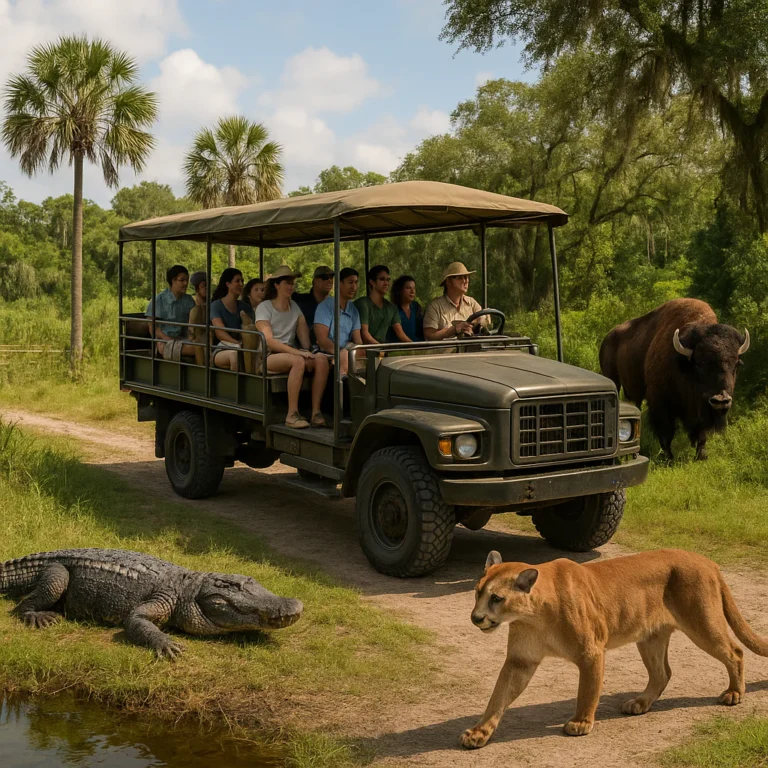
- 🚤 Shark Valley: Take the Shark Valley Tram Tour or rent a bike to explore the 15-mile loop. Biking is a quieter, more immersive way to see alligators and birds.
- 🐊 Anhinga Trail: A short, accessible boardwalk trail where you can spot snakes, turtles, and birds in their natural habitat.
- 🌿 Gumbo Limbo Trail: A nature trail through a tropical hardwood hammock. Look for manates in the nearby waterways.
Conservation Note: The Everglades is still recovering from past drainage and development. Your visit supports restoration efforts through park fees.
3. St. Augustine: Where History Mets Habitat Restoration
St. Augustine is not just the “Oldest City” in America; it’s also a hub for historic preservation and marine conservation.
- 🐊 St. Augustine Alligator Farm Zological Park: One of the oldest living attractions in the U.S., it focuses on education and conservation of alligators and crocodiles.
- 🌊 Anastasia State Park: Offers kayaking through salt marshes and hiking trails. The park is home to sea turtles and manates.
- 🏛️ Fort Matanzas National Monument: A historic fort with a visitor center that educates on the area’s history and ecology.
Local Insight: St. Augustine has a bike-share program and many walkable neighborhoods. Explore the historic district on foot to reduce your carbon footprint.
4. The Space Coast: Rocket Science and Sea Turtle Rescue
The Space Coast (Cocoa Beach, Melbourne, Titusville) is known for space launches, but it’s also a critical habitat for sea turtles and manates.
- 🐢 Canaveral National Seashore: A pristine beach where loggerhead sea turtles nest. Join a night tour to witness nesting or hatching.
- 🚀 Kennedy Space Center Visitor Complex: Offers eco-tours that highlight the environmental impact of space exploration and the efforts to mitigate it.
- 🐋 Merritt Island National Wildlife Refuge: Home to alligators, manates, and rare birds. Take a boat tour to see wildlife in their natural habitat.
Eco-Friendly Tip: Visit during turtle season (May-October) and follow lighting guidelines to protect hatchlings.
5. Fort Myers & Sanibel: The Shell-Shocked Sanctuary
Sanibel Island is famous for its shell beaches, but it’s also a leader in conservation and sustainable tourism.
- 🐚 J.N. “Ding” Darling National Wildlife Refuge: A premier birding destination. Take the 4.5-mile wildlife drive to see egrets, herons, and roseate spoonbills.
- 🌳 Bailey Nature Preserve: Offers hiking trails through mangrove forests and kayaking tours.
- 🐠 Sanibel-Captiva Conservation Foundation: Offers volunteer opportunities for beach clean-ups and habitat restoration.
Conservation Note: Sanibel has strict building codes to protect its natural landscape. Respect these rules to help preserve the island’s beauty.
6. Orlando Beyond the Theme Parks: Springs and State Parks
Orlando is known for theme parks, but it’s also home to beautiful springs and state parks.
- 🌊 Blue Spring State Park: Home to manates in the winter. Take a boardwalk tour to see them without disturbing them.
- 🌳 Harry T. and Hariet V. Moore Central Florida Heritage Center: Offers educational programs on the area’s history and ecology.
- 🚲 Lake Eola Park: A urban oasis in downtown Orlando. Rent a pedal boat or take a walk around the lake.
Eco-Friendly Tip: Use Lynx Bus or SunRail to get around Orlando. It’s cheaper and grener than driving.
7. Tampa Bay & St. Pete-Clearwater: Urban Greening and Gulf Waters
Tampa Bay and St. Pete-Clearwater are urban centers with a strong commitment to green initiatives.
- 🐠 Clearwater Marine Aquarium: Home to Winter the Dolphin. The aquarium focuses on rescue, rehabilitation, and release.
- 🌳 Honeymoon Island State Park: Offers beaches, trails, and a nature center. The Dunedin Causeway is a great spot for birdwatching.
- 🏙️ Tampa Riverwalk: A 14-mile path along the Hillsborough River. Take a bike ride or walk to enjoy the city views.
Conservation Note: Tampa Bay is one of the most biologically productive estuaries in the world. Support water quality initiatives by reducing runoff.
8. Naples & Marco Island: Luxury with a Low Carbon Footprint
Naples and Marco Island are known for luxury, but they also offer eco-friendly experiences.
- 🌳 Corkscrew Swamp Sanctuary: A pristine old-growth cypress forest. Take a boardwalk tour to see egrets, herons, and alligators.
- 🐢 Rookery Bay National Estuarine Research Reserve: Offers kayaking and birding tours. The reserve is a critical habitat for manates and dolphins.
- 🏝️ Marco Island: Offers beach clean-ups and conservation programs. Visit the Marco Island Museum to learn about the area’s history.
Eco-Friendly Tip: Naples has a bike-share program and many walkable neighborhoods. Explore the city on foot or by bike.
9. Pensacola & Destin: Preserving the Emerald Coast
The Emerald Coast is known for its white sand beaches, but it’s also a leader in conservation.
- 🌊 Gulf Islands National Seashore: Offers beaches, trails, and historic sites. The Perdido Key beach is one of the most pristine in the state.
- 🐠 Pensacola Bay: Offers kayaking and paddleboarding tours. The Pensacola Bay Center offers educational programs on marine life.
- 🌳 Big Lagoon State Park: Offers hiking trails and kayaking through mangrove forests.
Conservation Note: Destin has strict building codes to protect its natural landscape. Respect these rules to help preserve the coast’s beauty.
10. Jacksonville & Amelia Island: The Wild Atlantic Coast
Jacksonville and Amelia Island offer a wild, untamed experience.
- 🐊 Amelia Island State Park: Offers beaches, trails, and historic sites. The Fort George Island Cultural State Park offers educational programs on the area’s history.
- 🌳 Fort Clinch State Park: A historic fort with trails and beaches. The park is home to sea turtles and manates.
- 🐠 Jacksonville Beach: Offers beach clean-ups and conservation programs. Visit the Jacksonville Beach Museum of Art to learn about the area’s culture.
Eco-Friendly Tip: Jacksonville has a bike-share program and many walkable neighborhoods. Explore the city on foot or by bike.
1. Tallahasee: The Greenest Capital City
Tallahasee is known for its green initiatives and historic sites.
- 🌳 Apalache Historic State Park: Offers trails and historic sites. The park is home to alligators and deer.
- 🌊 Wakulla Springs State Park: Offers boat tours through a natural spring. The spring is home to manates and turtles.
- 🏛️ Florida State Capitol: Offers guided tours that highlight the state’s political history and environmental policies.
Conservation Note: Tallahasee has a bike-share program and many walkable neighborhoods. Explore the city on foot or by bike.
12. Martin County & The Treasure Coast: Untouched Wilderness
The Treasure Coast is known for its shipwrecks and untouched wilderness.
- 🌳 John D. MacArthur Beach State Park: Offers beaches, trails, and a nature center. The park is home to sea turtles and manates.
- 🐠 Sebastian Inlet State Park: Offers fishing and surfing. The inlet is a critical habitat for dolphins and sharks.
- 🌳 Loxahatchee National Wildlife Refuge: Offers trails and boat tours. The refuge is home to alligators and birds.
Eco-Friendly Tip: Martin County has a bike-share program and many walkable neighborhoods. Explore the city on foot or by bike.
13. Sarasota: Art, Nature, and Sustainable Living
Sarasota is known for its art scene, but it’s also a leader in sustainable living.
- 🌳 Marie Selby Botanical Gardens: A world-renowned botanical garden. The gardens focus on epiphyte conservation and education.
- 🐢 Myaka River State Park: Offers kayaking and airboat tours. The park is home to alligators and manates.
- 🏛️ Ringling Museum: Offers art and history exhibits. The museum has a green roof and solar panels.
Conservation Note: Sarasota has a bike-share program and many walkable neighborhoods. Explore the city on foot or by bike.
14. Palm Beaches: High-End Eco-Initiatives
The Palm Beaches are known for their luxury, but they also offer eco-friendly experiences.
- 🌳 Loxahatchee National Wildlife Refuge: Offers trails and boat tours. The refuge is home to alligators and birds.
- 🐠 Singer Island: Offers beach clean-ups and conservation programs. Visit the Singer Museum to learn about the area’s history.
- 🌳 Boynton Beach: Offers trails and beaches. The Boynton Beach Oceanfront Park is a great spot for birdwatching.
Eco-Friendly Tip: Palm Beaches have a bike-share program and many walkable neighborhoods. Explore the city on foot or by bike.
15. Panhandle Hidden Gems: Beyond the Beaches
The Panhandle has many hidden gems that are perfect for eco-tourism.
- 🌳 St. Andrews State Park: Offers beaches, trails, and a nature center. The park is home to sea turtles and manates.
- 🐠 Grayton Beach State Park: Offers beaches and trails. The park is home to alligators and birds.
- 🌳 Econfina River State Park: Offers kayaking and hiking. The river is home to manates and turtles.
Conservation Note: The Panhandle has strict building codes to protect its natural landscape. Respect these rules to help preserve the coast’s beauty.
🐢 Wildlife Encounters: Ethical Interactions with Florida’s Fauna
Florida is home to some of the most iconic wildlife in the world. But how do we interact with them ethically?
Dolphin Research Center vs. Marine Parks: What’s the Difference?
The Dolphin Research Center in Grassy Key is a non-profit organization that focuses on dolphin rescue, rehabilitation, and research. Unlike some marine parks, the DRC does not breed dolphins for entertainment. Instead, it focuses on conservation and education.
Key Differences:
- Dolphin Research Center: Focuses on rescue and rehabilitation. Offers educational programs and volunteer opportunities.
- Marine Parks: Often focus on entertainment and breding. May not have the same level of conservation focus.
Our Recommendation: Choose Dolphin Research Center for a more ethical and educational experience.
Sea Turtle Conservation: From Nesting to Release
Sea turtles are endangered species. Florida is a critical habitat for loggerhead, green, hawksbill, and Kemp’s ridley turtles.
How to Help:
- 🌙 Reduce Beach Lighting: Use red-light bulbs on your beachfront property.
- 🚫 No Feding: Never feed sea turtles or other wildlife.
- 🐢 Report Nesting: If you see a nesting turtle, report it to the Florida Fish and Wildlife Conservation Commission (FWC).
Conservation Note: The Turtle Hospital in Marathon is a leader in sea turtle conservation. Visit their website to learn more about their work.
Wolf Preserves and Native Species Sanctuaries
Florida is home to red wolves, Florida panthers, and manates. These species are endangered and need our help.
Where to Visit:
- 🐺 Seacrest Wolf Preserve: A sanctuary for red wolves. Offers educational programs and volunteer opportunities.
- 🐆 Florida Panther National Wildlife Refuge: A sanctuary for Florida panthers. Offers guided tours and educational programs.
- 🐋 Manatee Viewing Centers: Visit the Tampa Electric Manatee Viewing Center in Apollo Beach to see manates in their natural habitat.
Conservation Note: Support conservation organizations like the National Wildlife Federation and the World Wildlife Fund to help protect these species.
🚲 Green Mobility: How to Get Around Without the Carbon Guilt
Getting around Florida sustainably is easier than you think. Here are some eco-friendly options:
Electric and Hybrid Vehicles
- 🚗 Alamo Rent A Car: Offers hybrid cars like the Toyota Prius.
- 🚗 Avis Rent a Car: Offers hybrid cars like the Toyota Prius.
- 🚗 Budget Car Rental: Offers hybrid cars like the Toyota Prius.
- 🚗 Enterprise Car Rental: Offers hybrid cars like the Ford Fusion.
- 🚗 Hertz: Offers hybrid cars like the Toyota Prius.
Pro Tip: Use PlugShare or EVHype to find charging stations along your route.
Biking and Walking
- 🚲 Bike Florida: Offers trails and events for biking.
- 🚲 TEAM Punta Gorda: Offers a free bike loaner program in southwest Florida.
- 🚶 St. Augustine: A walkable city with many historic sites.
Conservation Note: Biking and walking are zero-emission ways to explore Florida. Enjoy the scenery and fresh air!
Public Transit
- 🚌 GoToBus: Offers bus routes and tickets statewide.
- 🚌 Rome 2 Rio: Reveals travel options (car, bus, shuttle, train) and costs between cities.
- 🚌 Key West Transit: Offers free public transportation in Key West.
Pro Tip: Use public transit to reduce your carbon footprint and save money.
🏨 Eco-Lodging: Where to Sleep Sustainably in the Sunshine State
Choosing eco-friendly lodging is a key part of sustainable travel. Here are some top picks:
Florida Green Lodging Program
The Florida Green Lodging Program certifies hotels that meet strict environmental standards. Look for the green seal when booking.
Top Picks:
- 🏨 The Breakers (Palm Beach): A luxury hotel with green initiatives.
- 🏨 The Ritz-Carlton (Key Biscayne): A luxury hotel with green initiatives.
- 🏨 The Edgewater (Tampa): A boutique hotel with green initiatives.
Conservation Note: Stay at eco-certified hotels to support sustainable tourism.
Eco-Friendly Resorts
- 🏨 The Green Key Resort (Key Largo): A green-certified resort with eco-friendly amenities.
- 🏨 The Turtle Inn (Key West): A historic inn with green initiatives.
- 🏨 The Sanibel Harbour Resort: A beachfront resort with green initiatives.
Pro Tip: Book eco-friendly resorts to support conservation and sustainable tourism.
🍽️ Farm-to-Table Dining: Tasting Florida’s Local Harvest
Eating locally is a key part of sustainable travel. Here are some top picks for farm-to-table dining in Florida:
Farm-to-Table Regions
- 🥬 Northeast Florida: Known for organic farms and farmers’ markets.
- 🥬 Northwest Florida: Known for seafood and local produce.
- 🥬 Orlando: Known for urban farms and farmers’ markets.
- 🥬 South Florida: Known for tropical fruits and organic farms.
- 🥬 Southwest Florida: Known for citrus and seafood.
- 🥬 Tampa: Known for urban farms and farmers’ markets.
Conservation Note: Eat at farm-to-table restaurants to support local farmers and reduce food miles.
Farmers’ Markets
- 🛒 Florida Department of Agriculture and Consumer Services: Provides a list/map of farmers’ markets.
- 🛒 Local Harvest: Allows searching for markets by city or statewide.
- 🛒 Sustainable North Florida: Offers a green directory for local organizations and organic farms.
Pro Tip: Visit farmers’ markets to buy fresh, local produce.
Organic Farms
- 🌾 Local Harvest: Lists 615 Florida farms offering natural, organic, and local products.
- 🌾 Sustainable North Florida: Offers a green directory for local organizations and organic farms.
Conservation Note: Support organic farms to promote sustainable agriculture.
Seafood
- 🐟 Seafood Watch: A tool to check which seafood is sustainable and which to avoid.
- 🐟 Local Seafood: Look for locally caught seafood at farmers’ markets and restaurants.
Pro Tip: Choose sustainable seafood to protect marine ecosystems.
🤝 Voluntourism: How to Give Back While You Vacation
Voluntourism is a great way to give back while you travel. Here are some top picks for volunteer opportunities in Florida:
South Florida
- 🐢 The Florida Keys: Opportunities include fish surveys and working with wild bird patients.
- 🐠 Clearwater Marine Aquarium: Volunteers help preserve the environment and marine life.
Central Florida
- 🌳 Hands On Orlando: Projects typically last three hours; motto: “Sign Up, Show Up, Have Fun, MAKE A DIFFERENCE!”
- 🌳 Clearwater Marine Aquarium: Volunteers help preserve the environment and marine life.
North Florida
- 🌳 Pensacola Parks and Recreation: Community involvement opportunities.
- 🌳 Florida State Parks: Activities include beach clean-ups, invasive plant removal, and trail maintenance.
Statewide
- 🐸 Volunteer Florida: Offers “frog listening and eagle watches.”
- 🌿 Keep Florida Beautiful: Focuses on transforming communities and improving the environment.
Conservation Note: Volunteer for conservation organizations to help protect Florida’s natural heritage.
💍 Planning an Eco-Friendly Wedding in Florida
Planning an eco-friendly wedding in Florida is easier than you think. Here are some tips:
Venue Selection
- 🌳 Outdoor Venues: Choose outdoor venues like state parks or botanical gardens.
- 🏨 Eco-Certified Venues: Choose eco-certified venues like The Breakers or The Ritz-Carlton.
Decor and Supplies
- 🌸 Local Flowers: Use local flowers to reduce food miles.
- ♻️ Recycled Materials: Use recycled materials for decor and suplies.
Food and Drink
- 🥬 Farm-to-Table Catering: Choose farm-to-table catering to support local farmers.
- 🍷 Local Wine: Choose local wine to reduce food miles.
Pro Tip: Plan an eco-friendly wedding to reduce your carbon footprint and support local businesses.
🐝 Surprising Conservation Wins: From Honeybes to Seagrass
Florida is home to many conservation wins. Here are some surprising ones:
How Seaworld is Saving Honeybes
SeaWorld Orlando has a beekeeping program that helps save honeybes. The program educates visitors on the importance of pollinators.
Seagrass Restoration
Seagrass is a critical habitat for marine life. Florida has many seagrass restoration projects that help protect these ecosystems.
Conservation Note: Support conservation organizations like SeaWorld and seagrass restoration projects to help protect Florida’s natural heritage.
📋 Essential Packing List for the Sustainable Florida Traveler
Packing sustainably is a key part of eco-friendly travel. Here is an essential packing list:
- 🌊 Reusable Water Bottle: Stay hydrated and reduce plastic waste.
- 🥤 Reusable Straws: Reduce plastic waste.
- 🛍️ Reusable Shopping Bags: Reduce plastic waste.
- 🧴 Reef-Safe Sunscreen: Protect coral reefs from harmful chemicals.
- 🚲 Bike Helmet: For biking and walking.
- 🐢 Sea Turtle Kit: For reporting nesting turtles.
- 🌿 Insect Repellent: For bug protection.
- 📚 Guidebooks: For educational purposes.
Pro Tip: Pack sustainably to reduce your carbon footprint and protect Florida’s natural heritage.
❓ Frequently Asked Questions About Eco-Tourism in Florida
What is Eco-Tourism?
Eco-tourism is responsible travel to natural areas that conserves the environment and improves the well-being of local people.
Why is Eco-Tourism Important in Florida?
Florida is home to many fragile ecosystems that need protection. Eco-tourism helps protect these ecosystems and support local communities.
How Can I Travel Sustainably in Florida?
- 🚲 Use Public Transit: Reduce carbon emissions.
- 🏨 Stay at Eco-Certified Hotels: Support sustainable tourism.
- 🍽️ Eat at Farm-to-Table Restaurants: Support local farmers.
- 🤝 Volunteer for Conservation Organizations: Help protect Florida’s natural heritage.
Conservation Note: Travel sustainably to protect Florida’s natural heritage.
🏆 Conclusion: Your Journey to a Grener Florida Starts Now

We started this journey by asking a simple question: Can you truly experience the magic of Florida without leaving a mark on its fragile ecosystems? The answer, after years of exploration and countless sunrises over the Everglades, is a resounding yes. But it requires a shift in mindset. It’s about trading the convenience of a disposable straw for a reusable one, swapping the roar of a gas-guzzling boat for the silent glide of an electric kayak, and choosing to volunteer rather than just observe.
Florida isn’t just a destination; it’s a living laboratory of resilience. From the Turtle Hospital in Marathon, where injured sea turtles find a second chance, to the Seacrest Wolf Preserve, where endangered red wolves roam free, the state is actively fighting to preserve its soul. The “10 Keymandments” of the Florida Keys aren’t just rules; they are a love letter to the environment.
Our Confident Recommendation:
If you are ready to travel with purpose, start with the Florida Keys. It is the most comprehensive model of sustainable tourism in the state, offering a perfect blend of marine conservation, eco-friendly transportation (like the Freebee app), and voluntourism opportunities that make a tangible difference. For a more land-based adventure, Sanibel Island and the Everglades offer unparalleled opportunities to connect with nature while supporting habitat restoration.
Positives of Sustainable Travel in Florida:
- ✅ Deper Connection: You see the “real” Florida, not just the tourist traps.
- ✅ Tangible Impact: Your fees and volunteer hours directly fund conservation.
- ✅ Unique Experiences: Access to restricted areas and wildlife encounters that mass tourism can’t provide.
- ✅ Community Support: You boost local economies that prioritize the environment.
Challenges to Consider:
- ❌ Planning Required: Sustainable travel often requires more research and advance booking than a standard resort stay.
- ❌ Limited Amenities: Some eco-lodges may lack the “luxury” of 5-star chains (though they often offer more authentic charm).
- ❌ Seasonal Restrictions: Wildlife viewing (like manates or sea turtles) is highly seasonal and requires flexibility.
The Final Word:
The question isn’t if you should travel sustainably, but how you will make your first step. Whether you’re paddling through the mangroves of John Penekamp, watching a red wolf at Seacrest, or simply choosing a reef-safe sunscreen, you are part of the solution. Florida’s future depends on visitors who care as much as the locals do. So, pack your reusable water bottle, grab your map, and let’s keep the Sunshine State shining for generations to come.
🔗 Recommended Links: Resources for the Eco-Conscious Traveler
Ready to book your eco-adventure? Here are our top picks for gear, accommodations, and experiences that align with your values.
🛍️ Sustainable Travel Gear & Essentials
- Ref-Safe Sunscreen: Protect our coral reefs from harmful oxybenzone.
- Stream2Sea Reef Safe Sunscreen
- All Good Organic Sunscreen
- Reusable Water Bottles: Stay hydrated without the plastic waste.
- Hydro Flask Standard Mouth Water Bottle
- Klean Kanten Classic Stainless Steel Water Bottle
- Eco-Friendly Beach Gear:
- Bamboo Cutlery Set
- Reusable Silicone Straws
🏨 Top Eco-Certified Accomodations
- The Florida Green Lodging Program: Find certified hotels across the state.
- Florida Green Lodging Directory
- The Breakers (Palm Beach): A luxury leader in sustainability.
- The Breakers Official Site
- The Green Key Resort (Key Largo): A pioneer in eco-tourism.
- Green Key Resort Official Site
- Sanibel Harbour Resort & Spa: Beachfront luxury with green initiatives.
- Sanibel Harbour Resort Official Site
🐢 Wildlife & Conservation Experiences
- Dolphin Research Center: Ethical dolphin encounters.
- Dolphin Research Center Official Site
- Turtle Hospital: The world’s only facility dedicated to injured sea turtles.
- Turtle Hospital Official Site
- Clearwater Marine Aquarium: Home of Winter the Dolphin.
- Clearwater Marine Aquarium Official Site
- Seacrest Wolf Preserve: A sanctuary for endangered red wolves.
- Seacrest Wolf Preserve Official Site
📚 Books for the Eco-Traveler
- Florida’s Wild Places: A Guide to the State’s Natural Treasures by John T. Reed
- Buy on Amazon
- The Everglades: River of Grass by Marjory Stoneman Douglas
- Buy on Amazon
- Florida Keys: A Natural History by John T. Reed
- Buy on Amazon
❓ Frequently Asked Questions About Eco-Tourism in Florida
What are the most eco-friendly resorts in Florida?
Florida boasts several resorts that have achieved Florida Green Lodging certification or have implemented rigorous sustainability programs.
- The Breakers (Palm Beach): Known for its extensive water conservation and energy efficiency initiatives, including a solar power system and a zero-waste program.
- The Green Key Resort (Key Largo): A pioneer in the industry, offering eco-friendly amenities, solar power, and organic gardens.
- Sanibel Harbour Resort & Spa: Focuses on sustainable seafood, energy conservation, and habitat protection for local wildlife.
- The Ritz-Carlton, Key Biscayne: Implements green cleaning practices, water conservation, and local sourcing for its restaurants.
Which Florida beaches have the best sustainability initiatives?
Several beaches have taken significant steps to protect their ecosystems:
- Sanibel Island: Famous for its strict building codes, shell protection laws, and beach clean-up programs.
- Key West: Has banned single-use plastics and implemented lighting ordinances to protect sea turtles.
- Cocoa Beach: A leader in sea turtle conservation with night patrols and educational programs.
- St. George Island: Known for its pristine dunes and volunteer-led conservation efforts.
How can I travel sustainably in the Florida Keys?
Traveling sustainably in the Keys is easier than you think:
- Use Public Transit: Utilize the Freebee app for free electric rides in Islamorada or the Key West Transit system.
- Rent an Electric Vehicle: Many rental companies offer hybrid and EV options.
- Bike or Walk: The Keys are highly bikeable, especially in Key West and Islamorada.
- Respect Marine Life: Maintain a 20-foot distance from manates and never feed wildlife.
- Reduce Plastic: Bring your own reusable water bottle, straws, and shopping bags.
Are there any zero-waste hotels in Orlando?
While true “zero-waste” hotels are rare, several in Orlando are making significant strides:
- Loews Royal Pacific Resort: Implements composting, recycling, and energy-efficient practices.
- Universal’s Cabana Bay Beach Resort: Focuses on waste reduction and sustainable sourcing.
- The Walt Disney World Resort: Has a comprehensive sustainability program that includes waste diversion, water conservation, and renewable energy.
What are the best sustainable wildlife tours in Florida?
- Everglades National Park: Offers electric boat tours and biking options to minimize impact.
- John Penekamp Coral Reef State Park: Provides eco-friendly snorkeling and diving tours with certified guides.
- Merritt Island National Wildlife Refuge: Offers guided boat tours and self-guided drives to observe wildlife without disturbance.
- Dolphin Research Center: Offers educational programs and volunteer opportunities that focus on conservation rather than entertainment.
How do I find carbon-neutral accommodations in Florida?
- Look for Certifications: Check for Florida Green Lodging, Green Key, or LED certifications.
- Ask About Offsets: Some hotels offer carbon offset programs for your stay.
- Research Energy Sources: Inquire if the hotel uses renewable energy or has solar panels.
- Check Waste Management: Look for hotels with composting, recycling, and water conservation programs.
Which Florida national parks have the strongest conservation programs?
- Everglades National Park: A global leader in ecosystem restoration and wildlife protection.
- Dry Tortugas National Park: Focuses on marine conservation and historic preservation.
- Biscayne National Park: Protects coral reefs, mangroves, and seagrass beds.
- Canaveral National Seashore: Offers pristine beaches and wildlife habitats with strict visitor guidelines.
How do I choose a responsible wildlife tour operator?
- Check Credentials: Look for operators certified by National Park Service or Florida Fish and Wildlife.
- Read Reviews: Check for mentions of ethical practices and educational value.
- Ask Questions: Inquire about group sizes, distances from wildlife, and conservation efforts.
- Avoid “Selfie” Tours: Ster clear of operators that encourage feeding or touching wildlife.
What is the best time of year for eco-tourism in Florida?
- Winter (Dec-Mar): Ideal for manatee viewing and birdwatching.
- Spring (Apr-May): Perfect for wildflower blooms and sea turtle nesting.
- Summer (Jun-Aug): Great for kayaking and snorkeling, but be prepared for heat and humidity.
- Fall (Sep-Nov): Excellent for huricane season (with caution) and migratory bird watching.
📚 Reference Links: Sources and Further Reading
For those who want to dive deeper into Florida’s sustainable tourism landscape, these reputable sources provide verified information and resources:
- Florida Department of Environmental Protection: Florida’s Environmental Programs
- Florida Fish and Wildlife Conservation Commission: FWC Conservation Resources
- National Park Service – Everglades: Everglades National Park
- Florida Keys National Marine Sanctuary: Sanctuary Information
- Florida Green Lodging Program: Certified Lodging Directory
- Keep Florida Beautiful: Community Action
- Audubon of Florida: Bird Conservation
- The Nature Conservancy – Florida: Conservation Projects
- Florida Keys Eco-Discovery Center: Educational Resources
- Visit Florida Keys – Sustainable Travel: Eco-Friendly Travel | Sustainable Tourism in Florida Keys
- Seafood Watch: Sustainable Seafood Guide
- Local Harvest: Find Local Farms and Markets
- PlugShare: EV Charging Station Map
- Bike Florida: Cycling Resources