Support our educational content for free when you purchase through links on our site. Learn more
5 Skill-Based Combat Fitness Programs to Master in 2026 🥋

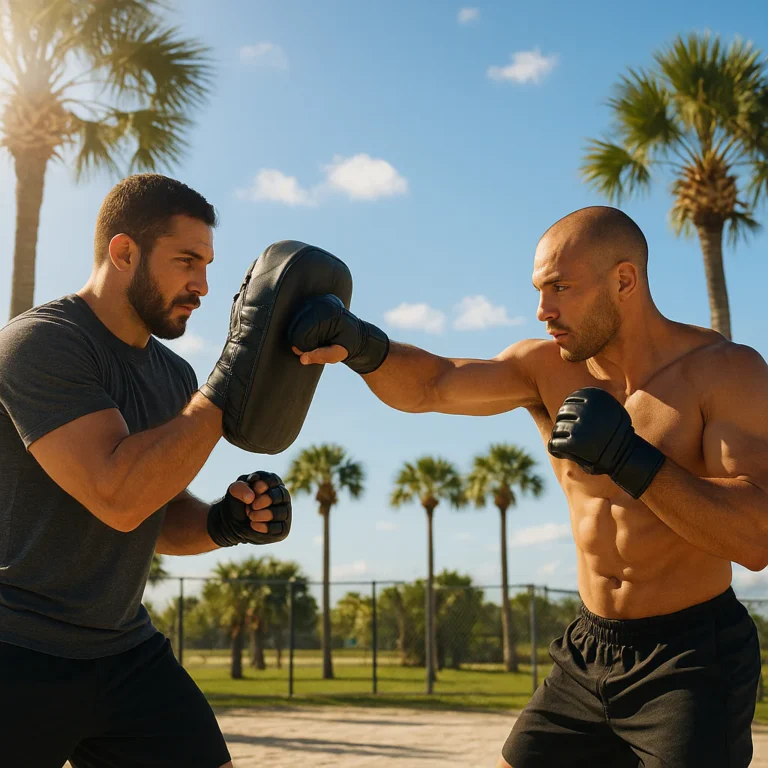
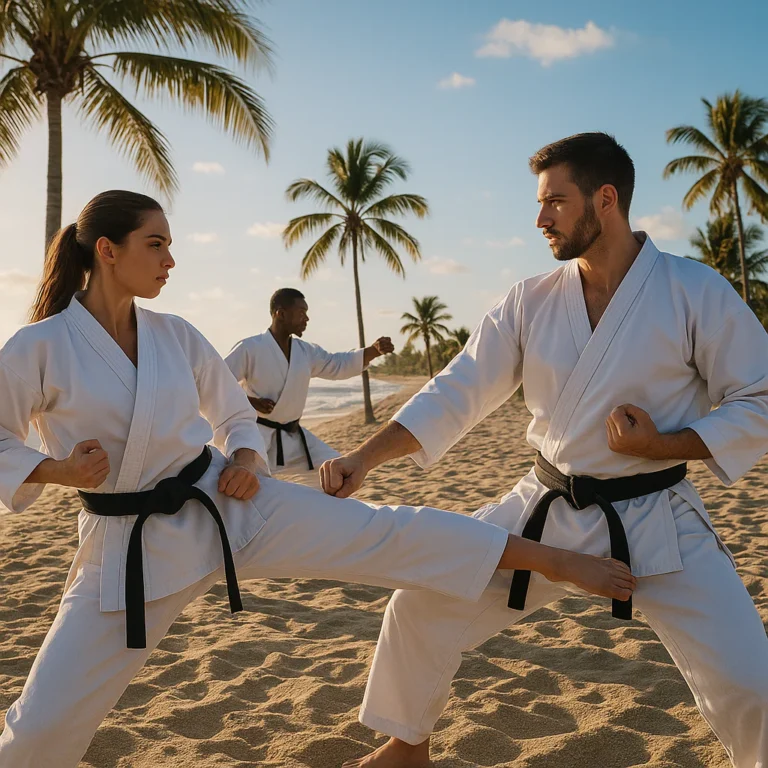
Forget the dusty drill fields of the past; the future of fitness isn’t about mindless repetition, it’s about neuro-muscular mastery. We’ve all seen the headlines about Airmen honing skills in the field, but here in the Sunshine State, we’ve discovered a more efficient way to build a body that’s not just strong, but tactically intelligent. Imagine moving with the fluidity of a panther through the humid Florida heat, where every punch, grapple, or dodge is calculated, not chaotic. That is the power of skill-based combat fitness programs.
In this deep dive, we’re stripping away the fluff to reveal exactly how these programs rewire your brain and rebuild your body. From the leverage-heavy ground game of Brazilian Jiu-Jitsu to the explosive striking of Muay Thai, we’ll explore the top 5 disciplines that are transforming average Joe’s into agile warriors. We’ll also uncover the surprising science behind neuroplasticity in combat sports and why your next workout might actually save your life in a real-world scenario. Ready to stop just “working out” and start training for life? Keep reading to find out which program fits your unique Florida lifestyle.
Key Takeaways
- Skill Trumps Strength: Neuromuscular efficiency and proper biomechanics are more critical for real-world survival and injury prevention than raw muscle mass.
- Top 5 Disciplines: We break down the specific benefits of BJ, Muay Thai, Krav Maga, Boxing, and Wrestling, helping you choose the perfect fit for your goals.
- Florida-Ready Training: Learn how to adapt high-intensity combat drills to survive and thrive in our unique humid climate with proper hydration and recovery strategies.
- Mental Resilience: Discover how visualization and adrenaline management techniques used by elite fighters can be applied to everyday stress.
- Actionable Roadmap: Get a step-by-step guide on finding certified instructors and avoiding common pitfalls for beginners.
Table of Contents
- ⚡️ Quick Tips and Facts
- 📜 From Mud to Muscle: The Evolution of Skill-Based Combat Fitness
- 🧠 The Mind-Muscle Connection: Why Skill Trumps Pure Strength
- 🥋 Core Disciplines in Modern Skill-Based Combat Training
- 1. Brazilian Jiu-Jitsu (BJ) for Ground Control and Leverage
- 2. Muay Thai and Kickboxing for Striking Precision
- 3. Krav Maga for Real-World Self-Defense Scenarios
- 4. Boxing Fundamentals for Footwork and Head Movement
- 5. Wrestling and Takedown Defense Mechanics
- 🏋️ ♂️ Integrating Functional Strength with Tactical Skill Acquisition
- 🧪 The Science of Neuroplasticity in Combat Sports Conditioning
- 🛡️ Injury Prevention and Recovery Protocols for High-Intensity Fighters
- 🏆 Choosing the Right Program: Gym Culture vs. Military-Style Drills
- 🥗 Nutrition and Hydration Strategies for Peak Combat Performance
- 🧘 ♀️ Mental Resilience: Visualizing Victory and Managing Adrenaline
- 🚀 Getting Started: How to Find a Certified Instructor Near You
- 💡 Quick Tips and Facts
- 🏁 Conclusion
- 🔗 Recommended Links
- ❓ FAQ
- 📚 Reference Links
⚡️ Quick Tips and Facts
Before you lace up those combat boots or grab a pair of boxing gloves, let’s hit the ground running with some non-negotiable truths about skill-based combat fitness. We’ve seen too many folks in Orlando and Tampa jump into high-intensity drills without a clue, only to end up on the sidelines nursing a sprained ankle. Here is the scoop:
- Skill > Strength: You can be as strong as a bull, but if you don’t know how to move, you’re just a slow target. Neuromuscular efficiency is the real MVP here.
- The “Pose” Matters: Just like we learned from the Army’s recent training initiatives, proper biomechanics (like the Pose Method) prevent injuries better than any supplement ever could.
- Humidity is the Real Opponent: In Florida, the heat and humidity are your first adversary. Hydration isn’t optional; it’s survival.
- Consistency Beats Intensity: A 20-minute daily drill beats a 3-hour “beast mode” session once a week. Your brain needs repetition to build muscle memory.
- It’s Not Just Fighting: These programs build functional fitness that translates to hiking the trails at Discover Florida Caverns State Park Underground Tours: 12 Must-See Highlights (2026) 🦇 or carrying heavy luggage through the airport.
📜 From Mud to Muscle: The Evolution of Skill-Based Combat Fitness
Let’s take a trip down memory lane, shall we? Long before CrossFit boxes popped up in every strip mall in Miami, humans were figuring out how to survive. Early combat wasn’t about hitting the heavy bag; it was about survival mechanics.
The shift from “brute force” to “skill acquisition” is a fascinating journey. Historically, warriors trained by mimicking the movements of animals or mastering specific weapons. But the modern era? It’s all about neuroplasticity. We now understand that the brain learns movement patterns just like it learns a new language.
The military has been at the forefront of this. Remember when the Army shifted to the Army Combat Fitness Test (ACFT)? It wasn’t just about running faster; it was about testing functional strength, agility, and the ability to recover quickly. As Col. Marla J. Ferguson noted, the goal was “prevention of injuries” by treating movement as a learned skill.
This evolution mirrors our own journey here in Florida. We used to think a long run on the beach was enough. Now, we know that skill-based drills (like takedowns, strikes, and grappling) build a more resilient body than just jogging ever could. It’s the difference between wandering aimlessly in the Everglades and navigating them with a map and a compass.
🧠 The Mind-Muscle Connection: Why Skill Trumps Pure Strength
Here’s a question that keeps us up at night: Why do some 150-pound martial artists make 250-pound bodybuilders look like they’re moving in slow motion?
The answer lies in the Mind-Muscle Connection.
In the world of skill-based combat fitness, your brain is the general, and your muscles are the troops. If the general doesn’t know the strategy, the troops are useless. Pure strength without skill is like having a Ferrari engine in a go-kart chassis; you have power, but no control.
The Science of Efficiency
When you learn a specific combat skill, you are essentially rewiring your brain. You are creating myelin sheaths around the neural pathways that control that specific movement. The more you practice, the faster the signal travels.
- Unskilled Movement: Wasted energy, sloppy form, high injury risk.
- Skilled Movement: Economical energy use, precise execution, low injury risk.
Think about it. When you’re sweating buckets in a Florida summer, you don’t want to waste energy on inefficient movements. You want every ounce of power to go exactly where it needs to go. That’s the beauty of skill acquisition.
🥋 Core Disciplines in Modern Skill-Based Combat Training
So, what does a comprehensive skill-based combat fitness program actually look like? It’s not just one thing; it’s a symphony of disciplines. We’ve broken down the top five pillars that you’ll find in the best gyms from St. Augustine to Key West.
1. Brazilian Jiu-Jitsu (BJ) for Ground Control and Leverage
If you’ve ever watched a UFC fight, you know the ground game is where the magic happens. BJJ is the ultimate leverage-based art. It teaches you how to use your opponent’s weight against them.
- Why it works: It focuses on positional dominance and submissions rather than brute force.
- The Florida Twist: Perfect for our humid climate because it teaches you to conserve energy. You don’t need to be the strongest; you just need to be the smartest.
- Brand Spotlight: Look for gyms affiliated with Gracie Barra or Alliance Jiu-Jitsu for standardized, high-quality instruction.
2. Muay Thai and Kickboxing for Striking Precision
Known as the “Art of Eight Limbs,” Muay Thai utilizes fists, elbows, knees, and shins. It’s brutal, beautiful, and incredibly effective for cardiovascular conditioning.
- Why it works: It builds core stability and explosive power.
- The Skill Factor: It’s not just about throwing a punch; it’s about the feint, the angle, and the timing.
- Brand Spotlight: Check out Fairtex or Twins Special for authentic gear, and look for gyms that emphasize the traditional Wai Kru ritual to understand the cultural depth.
3. Krav Maga for Real-World Self-Defense Scenarios
Developed for the Israeli military, Krav Maga is all about survival. It doesn’t care about points or rules; it cares about getting you home safe.
- Why it works: It focuses on agressive counter-attacks and neutralizing threats quickly.
- The Skill Factor: It teaches you to react to multiple attackers and weapons, scenarios that are rare in sport but vital in real life.
- Brand Spotlight: Ensure your instructor is certified by Krav Maga Worldwide or the International Krav Maga Federation (IKMF).
4. Boxing Fundamentals for Footwork and Head Movement
Boxing is the foundation of all striking arts. It teaches you how to move, how to breathe, and how to take a hit.
- Why it works: It develops footwork and head movement like no other art.
- The Skill Factor: The ability to slip a punch and counter is a high-level skill that requires thousands of hours of drilling.
- Brand Spotlight: Wining Boxing Gloves are a favorite among pros for their durability and protection.
5. Wrestling and Takedown Defense Mechanics
Wrestling is the engine of combat sports. If you can’t get taken down, you can’t be controlled.
- Why it works: It builds explosive power and grip strength.
- The Skill Factor: Learning to sprawl and defend takedowns is a skill that translates directly to self-defense.
- Brand Spotlight: Hayabusa offers excellent wrestling gear and apparel designed for high-intensity training.
| Discipline | Primary Focus | Best For | Skill Level Required |
|---|---|---|---|
| BJ | Ground Control | Leverage & Technique | Beginner to Advanced |
| Muay Thai | Striking | Cardio & Power | Beginner to Advanced |
| Krav Maga | Self-Defense | Real-World Scenarios | Beginner |
| Boxing | Footwork | Agility & Timing | Beginner to Advanced |
| Wrestling | Takedowns | Strength & Control | Intermediate to Advanced |
🏋️ ♂️ Integrating Functional Strength with Tactical Skill Acquisition
You can’t just learn the moves; you need the engine to power them. This is where functional strength training comes in. Unlike bodybuilding, which isolates muscles, functional training mimics the movements you use in combat.
The “Pose” Method Connection
Remember the Pose Method we mentioned earlier? It’s not just for runners. The principles of falling forward and using gravity apply to combat too. When you integrate these principles into your strength training, you create a body that moves efficiently.
Step-by-Step Integration
- Assess Your Weaknesses: Are you strong but slow? Or fast but weak?
- Choose Compound Movements: Focus on squats, deadlifts, and pull-ups. These build the foundational strength needed for combat.
- Add Explosive Drills: Incorporate box jumps and medicine ball slams to develop fast-twitch muscle fibers.
- Skill-Specific Conditioning: Do your strength training after your skill work. You want your brain fresh for learning, not fatigued.
Pro Tip: Don’t neglect your core. A strong core is the bridge between your upper and lower body. Without it, your power leaks out.
🧪 The Science of Neuroplasticity in Combat Sports Conditioning
Here’s where it gets really nerdy (in a good way). Neuroplasticity is the brain’s ability to reorganize itself by forming new neural connections. In combat sports, this means you can literally rewire your brain to move better.
How It Works
When you practice a specific movement, like a jab-cross combination, your brain creates a pathway. The more you repeat it, the stronger that pathway becomes. Eventually, the movement becomes automatic. This is why you can react to a punch without thinking.
The Role of Drills
Drills are not just about repetition; they are about quality repetition. If you practice a bad habit, you are reinforcing a bad pathway. That’s why having a certified instructor is crucial. They ensure you are building the right neural pathways.
The Florida Advantage
Our warm climate allows for year-round training, which means you can maintain that neuroplasticity without the break that cold winters force on other athletes. Consistency is key to keeping those neural pathways strong.
🛡️ Injury Prevention and Recovery Protocols for High-Intensity Fighters
Let’s be real: combat training is hard on the body. But with the right injury prevention and recovery protocols, you can stay in the game longer.
Prevention Strategies
- Dynamic Warm-ups: Never skip the warm-up. Use dynamic stretching to prepare your muscles for movement.
- Proper Technique: This is the #1 rule. Bad form leads to bad injuries.
- Rest Days: Your muscles grow when you rest, not when you train. Listen to your body.
Recovery Protocols
- Active Recovery: Light swimming or yoga on rest days.
- Nutrition: Fuel your body with protein and carbs to repair muscle tissue.
- Sleep: Aim for 7-9 hours of quality sleep. This is when your body does the heavy lifting of repair.
Brand Spotlight: Theragun is a favorite for muscle recovery, and Hyperice offers great tools for reducing inflammation.
🏆 Choosing the Right Program: Gym Culture vs. Military-Style Drills
Not all skill-based combat fitness programs are created equal. Some focus on the sport, others on self-defense, and some on military-style conditioning. How do you choose?
Gym Culture
- Pros: Social, fun, great for beginners, focuses on technique.
- Cons: Can be less intense, may not cover real-world scenarios.
- Best For: Fitness enthusiasts, hobbyists, and those looking for a community.
Military-Style Drills
- Pros: High intensity, focuses on survival and endurance, builds mental toughness.
- Cons: Can be intimidating, may not focus on sport-specific techniques.
- Best For: Those looking for a challenge, law enforcement, or military personnel.
The Hybrid Approach
Many top gyms in Florida now offer a hybrid approach, combining the technical precision of sport with the intensity of military training. This is the sweet spot for most people.
Question: Are you ready to push your limits, or do you prefer a more relaxed approach? The answer will guide your choice.
🥗 Nutrition and Hydration Strategies for Peak Combat Performance
In Florida, hydration is a life-or-death matter. Combine that with the intensity of combat training, and you have a recipe for disaster if you don’t fuel correctly.
Hydration
- Before Training: Drink 16-20 oz of water 2 hours before.
- During Training: Sip water every 15-20 minutes.
- After Training: Rehydrate with electrolytes.
Nutrition
- Pre-Workout: Complex carbs and a little protein.
- Post-Workout: Protein and carbs to replenish glycogen stores.
- Suplements: Consider BCAs or creatine for muscle recovery and power.
Brand Spotlight: Liquid IV is great for hydration, and Optimum Nutrition offers excellent protein powders.
🧘 ♀️ Mental Resilience: Visualizing Victory and Managing Adrenaline
Combat is 90% mental. The ability to stay calm under pressure is a skill that can be trained.
Visualization
Close your eyes and visualize yourself executing a perfect technique. This primes your brain for success.
Adrenaline Management
Learn to control your breathing. Box breathing (inhale 4, hold 4, exhale 4, hold 4) is a technique used by Navy SEALs to manage stress.
The Florida Mindset
We live in a state of sunshine and relaxation, but that doesn’t mean we can’t be mentally tough. In fact, our laid-back lifestyle can help us stay calm in stressful situations.
🚀 Getting Started: How to Find a Certified Instructor Near You
Ready to dive in? Here’s how to find the right program in Florida:
- Check Certifications: Look for instructors certified by recognized bodies like IBJJF, IKMF, or USA Boxing.
- Visit the Gym: Take a trial class. Does the instructor pay attention to your form? Is the atmosphere right for you?
- Ask Questions: What is their philosophy? How do they handle injuries?
- Read Reviews: Check Google and Yelp for feedback from other students.
Brand Spotlight: Use Mindbody or ClassPass to find local classes and book trials.
💡 Quick Tips and Facts (Recap)
We’ve covered a lot of ground, but let’s recap the essentials:
- Skill is King: Focus on technique over strength.
- Hydrate: Florida heat is no joke.
- Rest: Recovery is part of the training.
- Find the Right Fit: Choose a program that matches your goals.
Now, you might be wondering: Can I really master these skills while living the Florida lifestyle? The answer is a resounding yes. In fact, our unique environment provides the perfect backdrop for building a resilient, agile body. But how do you balance the intensity of combat training with the laid-back Florida vibe? We’ll explore that in our conclusion.
🏁 Conclusion

So, there you have it, Florida friends! We’ve journeyed from the muddy battlefields of history to the high-tech gyms of modern-day Orlando, uncovering the secrets of skill-based combat fitness programs.
The Verdict:
If you are looking for a way to get fit that is engaging, effective, and builds real-world resilience, skill-based combat fitness is the answer. It’s not just about learning to fight; it’s about learning to move, think, and react with precision.
Positives:
- ✅ Functional Strength: Builds a body that works in the real world.
- ✅ Mental Toughness: Develops resilience and focus.
- ✅ Community: Connects you with like-minded individuals.
- ✅ Injury Prevention: Teaches proper mechanics to keep you healthy.
Negatives:
- ❌ Time Commitment: Requires consistent practice to master.
- ❌ Learning Curve: Can be intimidating for beginners.
- ❌ Cost: Quality instruction and gear can be an investment.
Our Confident Recommendation:
Start with a hybrid program that combines the technical precision of a sport like BJJ or Boxing with the intensity of functional training. Find a gym with a certified instructor who prioritizes safety and technique. And remember, in Florida, hydration is your best friend.
Whether you’re training to defend yourself, compete in a tournament, or just stay fit for a hike through the Florida Caverns, the skills you learn in these programs will serve you for a lifetime. So, what are you waiting for? Lace up those gloves and get to work!
🔗 Recommended Links
Ready to gear up? Here are some of our top picks for equipment and resources:
- Brazilian Jiu-Jitsu Gear:
Gi & Rash Guards: Amazon Search for BJJ Gear | Gracie Barra Official - Boxing Equipment:
Gloves & Hand Wraps: Amazon Search for Boxing Gloves | Wining Official - Recovery Tools:
Massage Guns: Amazon Search for Theragun | Therabody Official - Books on Combat Fitness:
The Art of Learning by Josh Waitzkin: Amazon Link
Becoming a Suple Leopard by Kelly Starett: Amazon Link
❓ FAQ

How do skill based combat fitness programs improve agility in Florida’s humid climate?
Skill-based combat programs focus on efficient movement patterns and neuromuscular control. In Florida’s humidity, where energy expenditure is higher, these programs teach you to move with minimal wasted effort. By mastering techniques like footwork and head movement, you can maintain agility even when the heat is on. The key is breathing control and hydration, which are integral parts of these programs.
What are the best outdoor skill based combat fitness classes in the Sunshine State?
Florida offers a variety of outdoor options, from beachside boxing sessions in Miami to park-based BJJ classes in Tampa. Look for gyms that offer outdoor boot camps or parkour-style training. Many local gyms partner with Local Insights to host events in scenic locations.
Can skill based combat training help you stay fit during Florida’s rainy season?
Absolutely! While outdoor training might be limited, indoor skill-based programs are perfect for the rainy season. Many gyms offer climate-controlled environments where you can continue your training without interruption. The focus on technique and drills means you can make significant progress even without the sun.
Are there skill based combat fitness programs in Florida that focus on beach workouts?
Yes! Some gyms in coastal areas like Fort Lauderdale and St. Petersburg offer beach combat workouts. These sessions combine the resistance of sand with the intensity of combat drills, providing a unique functional fitness challenge. Check out Beach Escapes for more info on these unique experiences.
How much do skill based combat fitness programs cost in major Florida cities?
Costs vary widely depending on the gym, location, and level of instruction. Generally, you can expect to pay a monthly membership fee that ranges from budget-friendly to premium rates. Many gyms offer trial classes or drop-in rates so you can try before you commit. For more on Budget-friendly Trips, check out our guides on affordable fitness options.
What equipment is needed to start a skill based combat fitness routine in Florida?
To get started, you’ll need comfortable workout clothes, athletic shoes, and hand wraps. As you progress, you may want to invest in boxing gloves, a mouthguard, and a BJ gi. Most gyms provide the heavy bags and mats, but having your own gear ensures hygiene and comfort.
Do skill based combat fitness programs offer specialized training for Florida’s active lifestyle?
Yes! Many programs in Florida are designed to complement the state’s active lifestyle. Whether you’re into hiking, swimming, or surfing, these programs can enhance your overall fitness and injury prevention. They focus on functional strength and agility, which are essential for enjoying all the Sunshine State has to offer.
📚 Reference Links
- U.S. Army Physical Fitness School: Pose Method Training – Combat comm Airmen hone skills in field training – Air Force
- National Institute for Occupational Safety and Health (NIOSH): Injury Prevention in Sports
- American Council on Exercise (ACE): Functional Training Guidelines
- Brazilian Jiu-Jitsu International Federation (IBJJF): Official Rules and Guidelines
- Krav Maga Worldwide: Certification and Training
- USA Boxing: Find a Gym
- Therabody: Recovery Science
- Optimum Nutrition: Protein and Recovery