Support our educational content for free when you purchase through links on our site. Learn more
15 All-Inclusive Florida Dark-Sky Escapes 🌌

The best all-inclusive Florida dark sky getaway is a hybrid trip: enjoy resort comfort, meals, and organized activities, then head to a genuinely darker destination such as Kissime Prairie Preserve State Park, Big Cypress, or Groveland for the stars. Florida has few true all-inclusive astronomy resorts, but that hardly ruins the fun. It simply means pairing sunshine-and-pool convenience with a carefully planned night beneath a much darker sky.
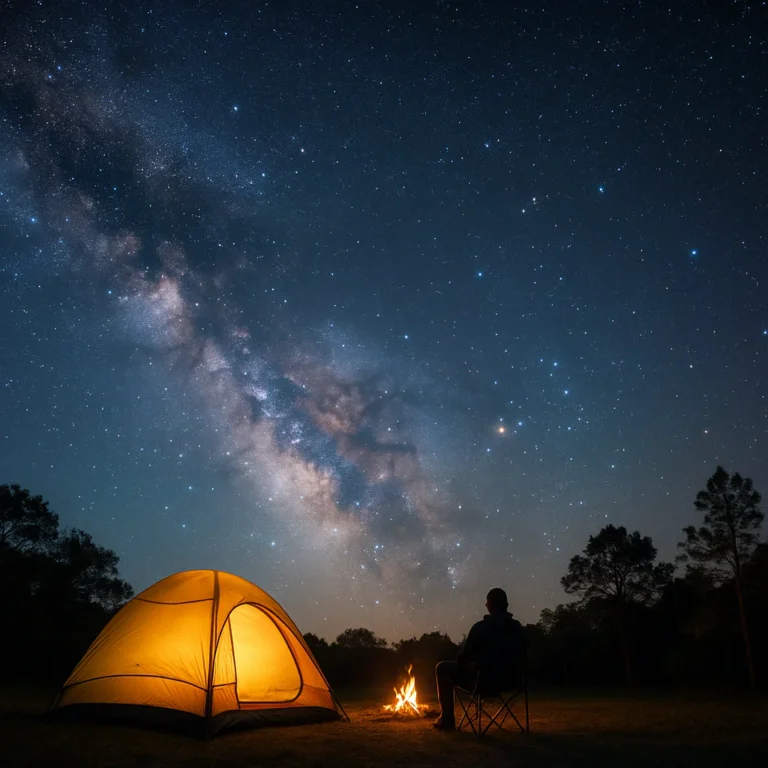
We’ve watched Florida’s evening light fade over prairie grass, wetlands, and quiet coastal roads, and the transformation never gets old. One minute you’re swatting mosquitoes and wondering whether the clouds will cooperate; the next, the Milky Way begins to emerge like someone quietly turned the universe back on. ✨
The trick is knowing where to stay, when to go, how to check moonlight and cloud cover, and which parks actually permit after-dark access. This guide brings those pieces together so you can plan a comfortable Florida getaway without sacrificing the stars.
Key Takeaways
- Choose a hybrid vacation: Stay at a comfortable resort, hotel, cabin, or vacation rental, then visit a darker preserve or certified dark-sky community.
- Kissime Prairie Preserve State Park is our top overall recommendation for open horizons, Milky Way viewing, and astrophotography.
- Groveland is Florida’s leading certified dark-sky community, offering easier Central Florida access and a strong conservation focus.
- Big Cypress and Everglades National Park combine dark skies with exceptional wildlife, but remote access, heat, insects, and weather require preparation.
- Dry Tortugas National Park offers the most remote experience, although ferry, seaplane, camping, and weather logistics make it far less resort-like.
- Plan around the Moon and forecast: New-Moon periods, low cloud cover, and lower humidity provide the best chance of seeing faint stars.
- Verify night access before traveling: Park gates, permits, closures, and camping rules vary widely.
- Pack smart: Bring a red-light flashlight, insect repellent, water, closed-toe shoes, a chair, offline maps, and binoculars.
- Protect Florida’s night environment: Use dim, shielded lighting, follow Leave No Trace principles, and never disturb wildlife or sea-turtle nesting areas.
Table of Contents
- ⚡️ Quick Tips and Facts
- What “All-Inclusive” Means for Florida Stargazing
- Florida Dark Sky at a Glance
- 🌌 Florida Dark Sky Background and Light-Pollution History
- How Light Pollution Affects the Night Sky
- DarkSky International and Florida’s Certified Locations
- 🏝️ 15 Best All-Inclusive Florida Dark Sky Getaways
- 1. Kissimee Prairie Preserve State Park
- 2. Big Cypress National Preserve
- 3. Everglades National Park
- 4. Dry Tortugas National Park
- 5. Jonathan Dickinson State Park
- 6. Fakahatche Strand Preserve State Park
- 7. Myakka River State Park
- 8. Oscar Scherer State Park
- 9. St. Sebastian River Preserve State Park
- 10. Ocala National Forest
- 11. Green Swamp Wilderness Preserve
- 12. Groveland and the Florida Dark Sky Coast
- 13. Chiefland and Florida’s Nature Coast
- 14. Key West and the Lower Florida Keys
- 15. Northwest Florida’s Gulf Islands and Panhandle Parks
- 🏨 Where to Stay for an All-Inclusive Florida Stargazing Vacation
- Florida Resorts With Astronomy-Friendly Access
- Glamping, Cabins, Lodges, and Dark-Sky Campgrounds
- What “All-Inclusive” Usually Includes in Florida
- How to Choose a Base Near a Dark-Sky Site
- 🔭 Best Florida Stargazing Experiences and Night-Sky Activities
- Milky Way Viewing and Naked-Eye Astronomy
- Meteor Showers, Eclipses, and Planetary Events
- Guided Astronomy Tours and Public Star Parties
- Astrophotography Along Florida’s Dark Coast
- Moonlit Wildlife, Wetlands, and Night Hikes
- 📅 Best Time to Visit Florida for Dark-Sky Stargazing
- Best Months for Clear, Dark Nights
- Florida’s Humidity, Clouds, and Thunderstorm Season
- Moon Phases and Optimal Viewing Windows
- Sunset, Twilight, and Stargazing Times
- 🗺️ Florida Light-Pollution Maps and Dark-Sky Ratings
- How to Read a Bortle Scale Map
- Best Dark-Sky Tools and Weather Apps
- Finding a Safe, Legal Stargazing Spot
- 🎒 What to Pack for an All-Inclusive Florida Dark Sky Trip
- Red-Light Flashlights and Astronomy Gear
- Bug Protection, Comfortable Clothing, and Weather Gear
- Binoculars, Telescopes, and Smartphone Accessories
- Food, Water, Power Banks, and Overnight Essentials
- 🦟 Safety Tips for Florida Stargazing
- Alligators, Snakes, Mosquitoes, and Other Wildlife
- Heat, Lightning, Tides, and Remote Roads
- Leave No Trace and Protecting Dark Skies
- 🚗 Planning Your Florida Dark Sky Itinerary
- Two-Day Florida Stargazing Escape
- Five-Day All-Inclusive Dark-Sky Road Trip
- Seven-Day Florida Astronomy and Nature Vacation
- Transportation, Parking, and Park-Access Planning
- 💰 Florida Dark Sky Trip Costs and Booking Considerations
- Resort Packages Versus Self-Catered Stargazing
- Park Reservations, Camping, and Permit Requirements
- How to Avoid Common Booking Mistakes
- 👨 👩 👧 👦 Family-Friendly Florida Stargazing
- Best Dark-Sky Activities for Children
- Accessible Stargazing Locations
- Romantic Dark-Sky Date Ideas
- 📸 Florida Night-Sky Photography Guide
- Camera Settings for the Milky Way
- Capturing Star Trails, Moonlight, and Landscapes
- How to Reduce Glare and Light Pollution
- 🌿 Conservation, Dark-Sky Certification, and Responsible Tourism
- Why Dark Skies Matter for Florida Wildlife
- Sea Turtles, Migratory Birds, and Artificial Light
- How Travelers Can Support Florida’s Dark-Sky Future
- ❓ FAQ
- Is There an All-Inclusive Dark-Sky Resort in Florida?
- Where Is the Darkest Place to See Stars in Florida?
- Can You See the Milky Way From Florida?
- What Is the Best Month for Stargazing in Florida?
- Are Florida State Parks Open at Night for Stargazing?
- Do You Need a Telescope for Florida Stargazing?
- Is Florida Safe for Nightime Stargazing?
- 🏁 Conclusion
- 🔗 Recommended Links
- 📚 Reference Links
Quick Tips and Facts
If you’re researching all-inclusive Florida dark sky getaways, start with our guide to all-inclusive Florida getaways, then adjust expectations: Florida has many all-inclusive-style resorts and bundled vacation packages, but very few true all-inclusive resorts beside its darkest skies.
We’re Florida residents at Florida Getaways™, and we’ve learned that the best stargazing trip often combines a resort meal plan or guided package with a nearby state park, preserve, or certified dark-sky community. Think comfortable bed, organized daytime adventure, and a gloriously dark field after sunset. 🌌
The Short Version
| Question | Florida reality |
|---|---|
| Can you see the Milky Way in Florida? | ✅ Yes, especially from remote preserves and the southern peninsula |
| Does Florida have true all-inclusive dark-sky resorts? | ❌ Rarely; most trips are “all-inclusive-style” rather than fully inclusive |
| Best overall dark-sky destination | Kissimee Prairie Preserve State Park |
| Best certified dark-sky community | Groveland, Florida’s first International Dark Sky Community |
| Best for wildlife plus astronomy | Big Cypress National Preserve |
| Best for exceptionally remote skies | Dry Tortugas National Park |
| Best family-friendly combination | Central Florida resort base plus Kissimee Prairie or Groveland |
| Biggest trip-planning trap | Assuming a resort’s “stargazing package” guarantees dark skies |
What to Pack First
Bring these before the telescope fantasies begin:
- A red-light flashlight, such as the Vicksburg Red LED Astronomy Flashlight on Amazon
- Insect repellent with picaridin or DET
- Closed-toe shoes and lightweight long sleeves
- A reclining camp chair or blanket
- Binoculars, preferably Celestron SkyMaster binoculars
- A weather-resistant power bank
- A downloaded offline map
- A sky app such as SkySafari or Stellarium
Our practical rule: binoculars beat an inexpensive telescope that is difficult to align, carry, or keep dew-free.
Four Facts That Save a Disappointing Night
- The Moon matters. A bright full Moon can wash out faint Milky Way detail.
- Cloud cover beats theoretical darkness. A Bortle Class 2 site under thick Florida clouds is still a cloud.
- Park hours are not universal. Verify night access, gates, permits, and camping rules with the Florida State Parks system.
- Dark skies and resort convenience rarely sit next door. The sweet spot is usually a comfortable base within driving distance of a preserve.
What “All-Inclusive” Means for Florida Stargazing
Travelers use all-inclusive Florida dark sky to describe several different vacation styles. They are not interchangeable, and confusing them can leave you standing beside a locked park gate with a telescope and a sandwich. We’ve seen versions of that story. The sandwich was fine; the astronomy was not. 😄
Three Common Package Types
| Vacation style | Usually includes | Dark-sky advantage | Main drawback |
|---|---|---|---|
| True all-inclusive resort | Room, meals, drinks, activities, sometimes transfers | Easy logistics | Often located near bright coastal or urban areas |
| Astronomy package | Lodging, guided observing, equipment, meals or excursions | Expert instruction and gear | Limited dates and weather dependence |
| Resort-plus-park itinerary | Resort stay, meals, rental car, park excursion | Best balance of comfort and darkness | You must drive to the dark site |
What We Recommend
For most visitors, the best formula is:
- Choose a lodging base with late check-in and flexible dining.
- Book a dark-sky destination nearby, ideally within 60–120 minutes.
- Reserve a guided activity only if you want help with equipment or wildlife.
- Keep one backup night in case thunderstorms roll over the prairie.
- Confirm the return journey before sunset.
A resort can include dinner, kayaking, and a beautiful balcony. It cannot include a darker sky than the surrounding development allows.
The Resort-versus-Remote-Sky Trade-Off
- Resort benefits: air-conditioning, bathrooms, prepared food, pools, family activities, and no need to sleep beside a suspiciously loud racoon.
- Remote-site benefits: darker skies, stronger Milky Way contrast, fewer headlights, and better astrophotography.
- Hybrid benefits: you get the stars without giving up a real shower.
For lodging ideas, browse our Accommodation Reviews and pair them with Local Insights before booking.
Florida Dark Sky at a Glance
Florida’s best stargazing locations are scattered across the peninsula, the Panhandle, and offshore islands. The darkest skies generally occur where there is low population density, limited upward lighting, and broad horizons.
Top Destinations Compared
| Destination | Approximate sky quality | Best for | Lodging style | Watch-outs |
|---|---|---|---|---|
| Kissimee Prairie Preserve State Park | Very dark, commonly described as Bortle 2 | Milky Way and astrophotography | Camping, nearby hotels | Remote roads, mosquitoes, limited services |
| Big Cypress National Preserve | Dark rural skies | Wildlife and night photography | Lodges, campgrounds, nearby resorts | Heat, insects, wildlife |
| Everglades National Park | Dark in remote areas | Wide horizons and southern skies | Lodges, campgrounds, nearby hotels | Humidity, storms, limited night access |
| Dry Tortugas National Park | Exceptionally remote | Deep-sky viewing and solitude | Camping only on-site | Boat or seaplane logistics |
| Groveland | Community-scale dark-sky protection | Easy Central Florida access | Hotels, vacation homes, resorts | Nearby Orlando glow remains visible |
| Jonathan Dickinson State Park | Moderately dark | Family camping and observing | Cabins, camping, nearby resorts | Coastal development and humidity |
| Ocala National Forest | Dark pockets | Camping and casual stargazing | Cabins, campsites, rural rentals | Forest cover can restrict horizons |
| Lower Florida Keys | Darker outer-island skies | Ocean horizons and astrophotography | Hotels, rentals, small resorts | Humidity, marine haze, light domes |
The Hidden Question: How Dark Is Dark Enough?
You do not need the darkest possible location to have a memorable night. A Bortle Class 3 or 4 site can reveal the Milky Way beautifully, while a Bortle Class 2 location rewards photographers and experienced observers with more subtle detail.
The International Dark-Sky Association explains the importance of protecting darkness from unnecessary artificial light. However, certification status and actual viewing conditions are different things:
- Certification reflects community or site-level commitment and lighting practices.
- Bortle ratings describe observed sky brightness.
- Weather determines whether you see anything tonight.
That distinction resolves one common source conflict: a certified dark-sky place may still have clouds, haze, or nearby glare, while a non-certified rural field can occasionally offer excellent viewing. Trust the designation for lighting stewardship, but check the forecast and horizon for your actual night.
Florida Dark Sky Background and Light-Pollution History

Florida’s coastline, expanding suburbs, theme-park corridors, airports, and highway networks make darkness a precious resource. Yet the state also has enormous conservation areas where the night sky can still feel almost cinematic.
How Light Pollution Affects the Night Sky
Artificial light brightens the lower atmosphere and reduces contrast. The first casualties are usually:
- Faint Milky Way structure
- Dim stars near the horizon
- Zodiacal light
- Nebulae and galaxies
- Meteor visibility near cities
The National Park Service describes natural darkness as an important park resource, not merely a backdrop for pretty photographs. That matters in Florida because night lighting also influences wildlife behavior.
Why Florida’s Geography Helps
Several Florida features create useful dark-sky pockets:
- Vast wetlands with few roads
- Protected prairies and forests
- Agricultural areas distant from major cities
- Offshore islands with limited development
- Conservation lands where lighting is restricted
The trade-off is that these places may also have standing water, insects, wildlife, rough roads, and few emergency services. Florida’s best night sky often asks for a little humility.
DarkSky International and Florida’s Certified Locations
Groveland is widely recognized as Florida’s first International Dark Sky Community. The designation is associated with community efforts to reduce harmful light and improve outdoor lighting practices. The city’s own Dark-Sky Developer Tools page is useful for understanding how development and lighting can be approached responsibly.
The relevant DarkSky International Groveland page is the best place to verify the current designation and program details. Some third-party summaries repeat the distinction without providing technical context, so we recommend checking DarkSky International and the City of Groveland directly rather than relying on a travel-list headline.
“Powered by Google Translate” is the only substantive text available in the supplied excerpt of one competing Groveland page, so it cannot verify lighting standards or tourism claims. The city and DarkSky International sources are more dependable for designation-related information.
15 Best All-Inclusive Florida Dark Sky Getaways
Florida does not offer a neat row of fully inclusive astronomy resorts. Instead, these destinations work as all-inclusive-style dark-sky getaways: pair a convenient lodging package with meals, guided activities, camping, or a rental car, then schedule a deliberate night under the stars.
1. Kissimee Prairie Preserve State Park
Kissimee Prairie is our strongest recommendation for serious Florida stargazing. Its open grassland, low development, and broad horizons create the kind of darkness that makes city dwellers wonder whether someone switched the universe back on.
The Florida State Parks profile provides current information about access, camping, trails, and reservations.
Why It Stands Out
- Excellent open horizons
- Strong Milky Way visibility on clear, moonless nights
- Excellent setting for wide-angle astrophotography
- Remote camping and wilderness atmosphere
- Wildlife and prairie scenery during daylight
The first featured video highlights the park’s reported Bortle Scale Class 2 conditions and showcases a Celestron NexStar 8SE telescope and Canon 5D Mark III with a Rokinon 14mm f/2.8 lens. The equipment is impressive, but the bigger lesson is simpler: the location does much of the visual heavy lifting.
Best Strategy
- Stay in Okechobee, Sebring, or a nearby rural lodging option.
- Check park entry and camping rules.
- Arrive before sunset to identify your observing area.
- Set up before darkness, not while tripping over prairie grass.
- Use red light only.
- Allow your eyes 20–30 minutes to adapt.
- Keep headlights off once parked.
✅ Best for: Experienced observers, photographers, and adventurous families
❌ Skip it if: You need resort amenities at the observing site
2. Big Cypress National Preserve
Big Cypress combines dark skies with an unforgettable subtropical landscape. By day, you may see wading birds, alligators, cypress domes, and the humid shimmer of South Florida. By night, the preserve becomes a wide, dark theater.
Explore current conditions and visitor information through the National Park Service Big Cypress National Preserve site.
Why Visit
- Large protected landscape
- Excellent wildlife-focused night photography
- Southern latitude helps with certain celestial targets
- Accessible from the Naples and Miami regions
- Strong option for a resort-plus-excursion itinerary
Planning Advice
A Naples resort can provide meals and comfort, but you’ll need to drive toward darker sections of the preserve. Avoid stopping randomly on narrow roads. Use designated parking areas, obey closures, and never illuminate wildlife for a photograph.
✅ Best for: Nature lovers combining Everglades wildlife and stargazing
❌ Main drawback: Mosquitoes, heat, and unpredictable storms
3. Everglades National Park
Everglades National Park offers expansive horizons and a southern sky that can feel dramatically different from northern Florida. The park’s official night-sky information should be checked before planning an after-dark visit.
Ideal Experience
- Sunset over open wetlands
- Dinner in Homestead or at approved lodging
- Stargazing from a legal, accessible location
- Early-morning wildlife tour the following day
The Everglades are not a conventional resort destination, so the all-inclusive approach works best when you book a hotel package in Homestead, Coral Gables, or the Florida Keys and arrange transportation separately.
✅ Best for: Broad horizons, wildlife, and a multi-day national-park trip
❌ Main drawback: Many areas are not designed for casual nighttime access
4. Dry Tortugas National Park
Dry Tortugas is the outlier: remote, water-bound, and gloriously inconvenient. The National Park Service explains access options, including ferry, seaplane, and private boat arrangements.
Why It Is Special
- Minimal artificial light
- Ocean horizons
- Exceptional sense of isolation
- Historic Fort Jefferson by day
- Potentialy spectacular stars after dark
The on-site experience is primitive by resort standards. Camping, ferry logistics, weather, and limited services require careful planning.
✅ Best for: Dedicated astronomy travelers seeking remoteness
❌ Main drawback: It is not an easy all-inclusive vacation
5. Jonathan Dickinson State Park
Jonathan Dickinson State Park is one of the easier dark-sky escapes for South Florida travelers. The Florida State Parks page lists camping, cabins, recreation, and visitor information.
What You Get
- River scenery
- Hiking and paddling
- Family-friendly daytime activities
- Camping and cabin options
- Darker skies than nearby coastal cities
It is not as dark as Kissimee Prairie, but it may be more practical for a first astronomy trip.
✅ Best for: Families and beginners
❌ Main drawback: Coastal light glow and tree cover can limit horizons
See more family planning ideas in our Family Adventures category.
6. Fakahatche Strand Preserve State Park
Fakahatche is famous for orchids, swamp habitat, and unusual wildlife. It is less straightforward for open-sky astronomy because dense vegetation can block your horizon, but nearby rural areas may provide useful observing opportunities.
Check conditions and access through Florida State Parks.
✅ Best for: Combining botany, wildlife, and a South Florida dark-sky itinerary
❌ Main drawback: Not every trail or parking area is suitable for night observation
7. Myakka River State Park
Myakka River State Park offers an accessible nature escape near Sarasota. Its official park page is the place to confirm camping, closures, and activities.
Why Families Like It
- Easy combination of wildlife and outdoor recreation
- Nearby hotels and restaurants
- More forgiving logistics than remote preserves
- Good introduction to rural night skies
The Sarasota light dome may remain visible, so treat Myakka as a comfortable gateway to stargazing, not Florida’s darkest possible destination.
8. Oscar Scherer State Park
Oscar Scherer is convenient for Sarasota-area visitors and offers camping, paddling, and wildlife experiences. Its Florida State Parks listing has current access information.
✅ Best for: A short family escape
❌ Main drawback: Nearby development reduces darkness compared with inland preserves
9. St. Sebastian River Preserve State Park
This large preserve in east-central Florida combines pine flatwoods, wetlands, and rural surroundings. Visit Florida State Parks for current conditions.
Its inland location can provide darker skies than the coast, although tree cover and park access rules matter. Pair it with lodging around Vero Beach, Sebastian, or Palm Bay.
10. Ocala National Forest
Ocala National Forest is one of the state’s most versatile outdoor destinations. The U.S. Forest Service provides information about recreation areas, roads, camping, and closures.
Strengths
- Multiple campgrounds and recreation areas
- Large distance from some urban centers
- Springs, trails, and paddling by day
- Flexible multi-night itineraries
Ocala’s forests can obstruct the sky, so search for open campgrounds, lakeside clearings, or approved areas rather than assuming every forest road offers a panoramic view.
11. Green Swamp Wilderness Preserve
Green Swamp, managed by the Southwest Florida Water Management District, is a rugged inland landscape between major population centers.
It can be a rewarding choice for travelers near Tampa, Lakeland, or Orlando who want a quieter sky without driving to the southern peninsula. Confirm access, parking, and legal nighttime use before arrival.
✅ Best for: Local adventurers and rural Florida exploration
❌ Main drawback: Limited conventional tourist infrastructure
12. Groveland and the Florida Dark Sky Coast
Groveland is not a dark-sky beach town, but it is a compelling base for travelers who want recognized community-level dark-sky stewardship near Central Florida attractions.
The City of Groveland and DarkSky International are the authorities to consult for designation information.
Why Groveland Works
- Close enough for a Central Florida road trip
- Rural surroundings compared with Orlando
- Hotels and vacation rentals in the broader area
- Access to lakes, trails, and nature preserves
- A strong educational angle for families
A certified community does not mean every street corner is pitch black. It means the community has committed to better lighting and dark-sky principles. That is a meaningful distinction.
13. Chiefland and Florida’s Nature Coast
Chiefland and the Nature Coast offer rural roads, springs, coastal wetlands, and lower-density surroundings. The region is especially appealing for travelers who want kayaking, manatee encounters, and night-sky viewing in one trip.
Use local tourism information from Visit Florida and verify park conditions through the relevant state or county agency.
✅ Best for: Springs, paddling, and a quieter rural vacation
❌ Main drawback: Lodging and dining choices may be limited
14. Key West and the Lower Florida Keys
Key West itself has substantial lighting and activity, but the Lower Keys can offer darker coastal perspectives. Ocean horizons are excellent for moon and planet photography, while inland glare varies by island.
Use Florida Keys tourism resources for lodging and transport planning, then move away from the busiest commercial areas for better views.
✅ Best for: Couples combining island life with astronomy
❌ Main drawback: Humidity, marine haze, and resort lighting
Browse our Beach Escapes for ways to pair coastal relaxation with a deliberate stargazing night.
15. Northwest Florida’s Gulf Islands and Panhandle Parks
The Panhandle’s beaches, forests, and protected coastal lands can produce excellent observing conditions, particularly away from resort centers. Consider destinations near Apalachicola, St. George Island, and Gulf Islands National Seashore.
The National Park Service Gulf Islands National Seashore page provides official information for protected coastal areas.
✅ Best for: Beach vacations with darker coastal horizons
❌ Main drawback: Seasonal storms and scattered resort lighting
Where to Stay for an All-Inclusive Florida Stargazing Vacation
The best place to sleep is not always the best place to observe. Our preferred setup is a comfortable base with food and amenities, plus a planned night excursion to darker land.
Florida Resorts With Astronomy-Friendly Access
Look for:
- Outdoor lighting that points downward
- Late dining or kitchenette access
- Flexible cancellation policies during storm season
- Secure parking for camera equipment
- A drive time under two hours to a dark-sky destination
- Staff familiar with nearby preserves and park rules
Large brands such as Hyatt, Hilton, Marriott, and IHG offer reliable lodging infrastructure across Florida, but brand consistency does not guarantee dark skies. A well-lit resort courtyard can be lovely and terrible for astronomy at the same time.
Glamping, Cabins, Lodges, and Dark-Sky Campgrounds
For a closer-to-nature experience, consider:
- State park cabins
- National forest campgrounds
- Private glamping tents
- Ranch stays near prairie preserves
- Vacation homes outside urban centers
- Small inns in rural communities
Always confirm:
- Whether lighting remains on all night
- Generator restrictions
- Gate hours
- Bathroom access
- Cell reception
- Whether the property permits tripods or outdoor equipment
What “All-Inclusive” Usually Includes in Florida
A Florida package may include:
- Room and meals
- Resort activities
- Kayaking or paddleboarding
- Guided nature tours
- Transportation from an airport
- Astronomy lectures
- Telescope access
- A designated observing area
It may not include:
- Park entrance
- Overnight camping permits
- Rental cars
- Specialized guides
- Weather refunds
- Late-night transportation
- Telescope instruction
Read the inclusions line by line. “Stargazing available” may mean there is a lawn with a few lights and a decorative telescope no one has aligned since the last meteor shower.
How to Choose a Base Near a Dark-Sky Site
Use this five-step method:
- Open a light-pollution map.
- Identify the nearest large urban glow.
- Check the driving route during daylight.
- Verify park access after sunset.
- Choose lodging with a backup activity for cloudy weather.
Best Florida Stargazing Experiences and Night-Sky Activities
Milky Way Viewing and Naked-Eye Astronomy
You can see the Milky Way without equipment when:
- The Moon is below the horizon or near new phase
- Clouds and humidity are low
- You are away from direct lights
- Your eyes have adapted
- You face away from the nearest city glow
Start with the Summer Triangle, Orion, the Big Dipper, and the Milky Way’s brightest band. A reclining chair makes a surprising difference; neck strain is not an astronomical achievement.
Meteor Showers, Eclipses, and Planetary Events
Check dates through:
For meteor showers:
- Arrive before the peak viewing window.
- Allow your eyes to adapt.
- Watch a broad section of sky.
- Avoid phone screens.
- Bring layers, water, and insect protection.
Peak nights can be crowded, so a less famous night under a clear sky may produce a better experience than the “official” peak under headlights and chatter.
Guided Astronomy Tours and Public Star Parties
Guided programs are valuable if you want:
- Telescope instruction
- Constellation identification
- Astrophotography advice
- Family-friendly storytelling
- Access to equipment
- Help choosing targets
Look for programs offered by:
- Local astronomy clubs
- State parks
- National parks
- Science museums
- Planetariums
- Responsible eco-tour operators
Verify the guide’s credentials, equipment policies, cancellation terms, and transportation arrangements.
Astrophotography Along Florida’s Dark Coast
Florida’s coast offers reflections, silhouettes, mangroves, piers, and ocean horizons. Inland prairies offer broader skies and fewer foreground obstructions.
A practical starter setup:
- Manual camera or modern smartphone
- Wide-angle lens
- Sturdy tripod
- Remote shutter or timer
- Spare battery
- Lens cloth for dew
- Red light
The Rokinon 14mm f/2.8 featured in the Kissimee Prairie video is a classic wide-field choice. For current options, compare Rokinon lenses on Amazon and official specifications from Samyang.
Moonlit Wildlife, Wetlands, and Night Hikes
Night experiences are not limited to stars:
- Owl calls in pine flatwoods
- Alligator eyeshine from a safe distance
- Frog choruses
- Moonlit beaches
- Nocturnal insects
- Wetland reflections
Never approach wildlife for a better photograph. Use established paths, obey closures, and keep food secured.
Best Time to Visit Florida for Dark-Sky Stargazing
Best Months for Clear, Dark Nights
Winter often offers:
- Lower humidity
- More comfortable temperatures
- Strong visibility for Orion and winter constellations
- Fewer afternoon thunderstorms
Spring and fall can provide excellent balance. Summer offers the richest Milky Way views in many parts of the sky but brings heat, insects, and frequent storms.
Florida’s Humidity, Clouds, and Thunderstorm Season
Florida weather can change faster than a pelican spotting your picnic. Check:
- National Weather Service
- NOAA satellite imagery
- Hourly cloud forecasts
- Lightning maps
- Dew-point trends
High humidity does not automatically ruin stargazing, but haze reduces contrast and causes lenses to fog. Pack a lens warmer or dew-control system for serious photography.
Moon Phases and Optimal Viewing Windows
For faint deep-sky objects:
- Favor the week surrounding the new Moon.
- Observe after astronomical twilight.
- Avoid bright moonlight near the target.
- Remember that the Moon itself is a superb target.
Use the U.S. Naval Observatory or a reliable astronomy app to check moonrise and moonset.
Sunset, Twilight, and Stargazing Times
The sky passes through:
- Civil twilight
- Nautical twilight
- Astronomical twilight
- Full darkness
Plan to arrive before sunset, set up during civil twilight, and begin serious deep-sky viewing after astronomical twilight. That sequence prevents the classic “we arrived in darkness and forgot where we put the tripod” problem.
Florida Light-Pollution Maps and Dark-Sky Ratings
How to Read a Bortle Scale Map
The Bortle Scale ranges from Class 1, the darkest, to Class 9, inner-city sky. It is a visual classification, not a promise of nightly conditions.
| Bortle class | Typical experience |
|---|---|
| 1–2 | Exceptional darkness; strong Milky Way detail |
| 3 | Rural sky; excellent general stargazing |
| 4 | Rural-suburban transition; Milky Way visible |
| 5–6 | Suburban glow; brighter stars and planets remain good |
| 7–9 | Urban sky; limited faint-object visibility |
Treat map colors as planning tools, not exact boundaries. Local lights, haze, and topography can change the view.
Best Dark-Sky Tools and Weather Apps
Useful resources include:
- Light Pollution Map
- Clear Outside
- Meteoblue astronomy seeing
- Sky & Telescope
- Stellarium
- NASA Skywatching
Compare at least two forecasts. Florida’s coastal weather can produce contradictory forecasts that are both technically correct over different neighborhoods.
Finding a Safe, Legal Stargazing Spot
Before setting up, confirm:
- Nightime entry is permitted
- Parking is legal
- Gates will not lock you in
- Fires and generators are allowed
- There are no hunting closures
- You are not blocking emergency access
- The site is safe during flooding or storms
Never assume an empty lot is public land.
What to Pack for an All-Inclusive Florida Dark Sky Trip
Red-Light Flashlights and Astronomy Gear
Red light preserves night vision better than bright white light. We like a headlamp with a low red mode, but keep it pointed downward.
Useful options:
Bug Protection, Comfortable Clothing, and Weather Gear
Florida night essentials:
- Picaridin or DET repellent
- Permethrin-treated clothing for remote camping
- Breathable long sleeves
- Wide-brim hat
- Closed shoes
- Lightweight rain shell
- Towel for dew
- Extra socks
Do not rely on a breezy beach to defeat mosquitoes. They are professionals.
Binoculars, Telescopes, and Smartphone Accessories
Binoculars
✅ Easy to use
✅ Portable
✅ Excellent for Moon, star clusters, and Milky Way scanning
❌ Less magnification than a telescope
Computerized telescopes
✅ Can locate objects automatically
✅ Good for planets and deep-sky targets
❌ Require batteries, alignment, and practice
The Celestron NexStar 8SE is a capable instrument, but it is not a casual suitcase accessory. Transport it carefully and practice setup before your trip.
Smartphone astronomy photography
✅ Convenient
✅ Great for Moon and bright planets
✅ Useful for constellation identification
❌ Limited for faint deep-sky objects without specialized mounts
Food, Water, Power Banks, and Overnight Essentials
Even with a meal plan, carry:
- Water
- High-energy snacks
- Power bank
- First-aid kit
- Offline maps
- Cash for remote facilities
- Extra batteries
- Waste bags
- Cooler if permitted
Safety Tips for Florida Stargazing
Alligators, Snakes, Mosquitoes, and Other Wildlife
Keep a respectful distance from all wildlife. The Florida Fish and Wildlife Conservation Commission offers guidance on living safely around alligators and other species.
- Stay on designated paths.
- Do not approach alligators.
- Avoid tall grass after dark.
- Keep dogs leashed where permitted.
- Store food securely.
- Use a flashlight when walking.
- Never shine lights directly at animals.
Heat, Lightning, Tides, and Remote Roads
Florida hazards vary by destination:
| Hazard | Prevention |
|---|---|
| Lightning | Leave immediately when thunder is heard |
| Flooding | Check park alerts and avoid low crossings |
| Heat | Hydrate before sunset; bring electrolytes |
| Tides | Check tide charts near beaches and mangroves |
| Remote roads | Fuel up and download maps |
| Vehicle lockout | Confirm gate schedules and keep keys accessible |
The National Weather Service lightning safety guidance is clear: when thunder roars, go indoors.
Leave No Trace and Protecting Dark Skies
Follow Leave No Trace principles:
- Pack out all waste.
- Keep lights dim and shielded.
- Avoid loud music.
- Do not drive onto fragile habitats.
- Use established campsites.
- Respect other observers.
- Do not leave glow sticks or illuminated decorations.
Planning Your Florida Dark Sky Itinerary
Two-Day Florida Stargazing Escape
Day 1
- Check into lodging before sunset.
- Eat an early dinner.
- Drive to the observing site.
- Set up during twilight.
- Stargaze until conditions decline.
- Return only if the route is safe and familiar.
Day 2
- Enjoy a spring, wildlife, or paddling activity.
- Visit a local museum or small town.
- Keep the evening flexible for a second attempt.
Five-Day All-Inclusive Dark-Sky Road Trip
A practical route might include:
- Central Florida resort base
- Groveland community and nearby nature areas
- Kissimee Prairie Preserve
- Big Cypress or Everglades
- Florida Keys or Gulf Coast finale
Do not cram every location into one trip. Florida distances look deceptively friendly on a map, especially when an afternoon thunderstorm turns a two-hour drive into a test of character.
Seven-Day Florida Astronomy and Nature Vacation
A relaxed itinerary can combine:
- Two nights near Central Florida
- Two nights near Kissimee Prairie
- One wildlife-focused night in South Florida
- Two coastal nights in the Keys or Panhandle
This structure gives you multiple weather opportunities rather than gambling the entire holiday one clear sky.
Transportation, Parking, and Park-Access Planning
A rental car is usually essential outside major resort corridors. Compare options through RentalCars.com, and verify:
- Gravel-road restrictions
- After-hours returns
- Spare-tire availability
- Fuel station distances
- Park parking rules
- Cell coverage
Florida Dark Sky Trip Costs and Booking Considerations
We’re avoiding specific prices because they change constantly, but the major cost categories remain predictable.
Resort Packages Versus Self-Catered Stargazing
| Category | Package approach | Self-planned approach |
|---|---|---|
| Convenience | Higher | Moderate |
| Meal planning | Simplified | Flexible |
| Astronomy instruction | Often included or add-on | Self-guided |
| Transportation | May be included | Usually separate |
| Weather flexibility | Depends on policy | Usually easier to adjust |
| Best for | Families and first-timers | Experienced travelers |
Park Reservations, Camping, and Permit Requirements
Reserve early for:
- State park cabins
- Popular campgrounds
- Dry Tortugas camping
- Guided tours
- Seaplane or ferry transport
- Holiday weekends
Use official agencies first. Third-party booking sites can be convenient, but they may not show emergency closures or seasonal restrictions promptly.
How to Avoid Common Booking Mistakes
❌ Booking a bright beachfront resort for “dark-sky” access without checking maps
❌ Arriving at a preserve after gates close
❌ Forgeting that moonlight can overpower faint stars
❌ Assuming cloudy-weather refunds apply to all activities
❌ Renting a telescope without learning its setup
❌ Planning a remote night without fuel, water, or offline directions
✅ Book lodging with a backup indoor activity
✅ Confirm the exact observing location
✅ Read park alerts on the day of travel
✅ Maintain one flexible evening
Family-Friendly Florida Stargazing
Best Dark-Sky Activities for Children
Try:
- Moon-spoting challenges
- Constellation scavenger hunts
- Flashlight-free 10-minute intervals
- Planet identification
- Wildlife sound mapping
- Smartphone star-app practice
- Storytelling about navigation and space exploration
Keep the first session short. A child who leaves excited after 45 minutes may become a lifelong stargazer; a child forced to stand in humidity for four hours may join the anti-astronomy movement.
Accessible Stargazing Locations
Look for:
- Paved paths
- Accessible restrooms
- Nearby parking
- Stable observing surfaces
- Low-glare lighting
- Ranger programs
- Seating
Contact the park directly about accessible nighttime conditions, since an accessible daytime trail may not be open after dark.
Romantic Dark-Sky Date Ideas
- Sunset picnic followed by planet viewing
- Cabin stay near a rural preserve
- Moonlit beach walk where permitted
- Guided astronomy tour
- Stargazing from a screened porch
- Sunrise breakfast after an overnight meteor-watch session
For couples, a dark-sky trip works best when you plan comfort: chairs, warm drinks, bug repellent, and a backup playlist for cloudy weather.
Florida Night-Sky Photography Guide
Camera Settings for the Milky Way
Start with:
- Manual exposure mode
- Wide aperture
- High but controlled ISO
- 10–25 second shutter speed
- Manual focus set to infinity, then checked
- RAW capture
- Delayed shutter or remote trigger
Exact settings depend on lens, camera, moonlight, and sky brightness. Take test frames and inspect stars at full magnification.
Capturing Star Trails, Moonlight, and Landscapes
For star trails:
- Compose during twilight.
- Use a sturdy tripod.
- Lock focus.
- Capture multiple images.
- Keep batteries warm and charged.
- Stack frames in software.
For moonlit landscapes, lower ISO and lengthen exposure. The Moon can act like a giant natural lamp, revealing palms, prairie, and water while still leaving brighter stars visible.
How to Reduce Glare and Light Pollution
- Face away from urban glow.
- Use a lens hood.
- Avoid direct lamps.
- Shield nearby lights.
- Clean salt and dew from the lens.
- Shoot during darker moon phases.
- Use gradient filters carefully; they can create unwanted color shifts.
Conservation, Dark-Sky Certification, and Responsible Tourism
Why Dark Skies Matter for Florida Wildlife
Night lighting can alter feeding, migration, breeding, and predator-prey behavior. The National Audubon Society and National Park Service discuss how artificial light affects wildlife.
Florida’s wetlands and coastal habitats are especially sensitive because they host:
- Migratory birds
- Sea turtles
- Bats
- Amphibians
- Nocturnal mammals
- Insects that support food webs
Sea Turtles, Migratory Birds, and Artificial Light
Bright coastal lighting can disorient hatchling sea turtles. The Florida Fish and Wildlife Conservation Commission provides guidance on reducing artificial light near nesting beaches.
Travelers can help by:
- Closing curtains at beachfront lodging
- Using red or amber light outdoors
- Avoiding flash photography near wildlife
- Choosing turtle-friendly accommodations
- Supporting shielded, downward-facing lighting
How Travelers Can Support Florida’s Dark-Sky Future
✅ Choose accommodations with shielded fixtures
✅ Ask businesses to turn off unnecessary lights
✅ Support certified communities and responsible parks
✅ Attend astronomy programs that teach conservation
✅ Share dark-sky etiquette with travel companions
✅ Report hazardous lighting constructively rather than shaming local businesses
Conclusion

Florida’s best all-inclusive dark-sky vacation is usually a hybrid escape: comfortable lodging and organized activities paired with a deliberate trip to a darker preserve, prairie, forest, or offshore island.
Our confident recommendations:
- Best overall: Kissimee Prairie Preserve State Park
- Best Central Florida option: Groveland
- Best wildlife combination: Big Cypress and the Everglades
- Best remote experience: Dry Tortugas National Park
- Best family introduction: Jonathan Dickinson or Myakka River State Park
- Best coastal pairing: Lower Florida Keys or selected Panhandle beaches
The question we left hanging at the start was whether comfort and truly dark skies can coexist. They can, but usually not in the same parking lot. Choose the resort for rest, the preserve for darkness, and give yourself a second night in case Florida’s clouds decide to put on their own performance.
Our Final Planning Formula
- Choose a destination using a light-pollution map.
- Verify legal nighttime access.
- Book lodging with food and a weather backup.
- Schedule around the Moon and forecast.
- Pack red light, repellent, water, and patience.
- Leave the sky darker than you found it. 🌌
Recommended Links
Stargazing Gear
- Celestron NexStar 8SE Telescope: Amazon | Celestron Official Website
- Celestron SkyMaster Binoculars: Amazon | Celestron Official Website
- Rokinon 14mm f/2.8 Astrophotography Lens: Amazon | Samyang Official Website
- Black Diamond Red-Light Headlamp: Amazon | Black Diamond Official Website
- Nikon Astronomy Binoculars: Amazon | Nikon Official Website
Florida Travel Planning
- Florida State Parks: Official Website
- Kissimee Prairie Preserve State Park: Florida State Parks
- Big Cypress National Preserve: National Park Service
- Everglades National Park: National Park Service
- Dry Tortugas National Park: National Park Service
- Groveland, Florida: City of Groveland
- Florida Vacation Ideas: Florida Getaways Beach Escapes | Budget-Friendly Trips | Family Adventures
Astronomy Books
- NightWatch: A Practical Guide to Viewing the Universe: Amazon
- The Backyard Astronomer’s Guide: Amazon
- Turn Left at Orion: Amazon
- National Audubon Society Field Guide to the Night Sky: Amazon
FAQ

What are the best all-inclusive resorts in Florida for stargazing?
Florida’s strongest stargazing vacations are usually resort-plus-excursion packages, not classic all-inclusive resorts located under pristine skies.
The most practical combinations are:
- Central Florida lodging plus Groveland
- Okechobee lodging plus Kissimee Prairie Preserve
- Naples lodging plus Big Cypress
- Homestead lodging plus Everglades National Park
- Key West or Lower Keys lodging plus darker outer-island observing areas
Choose the resort for meals, air-conditioning, and daytime activities. Choose the preserve for the stars.
Read more about “7 Best Stargazing Spots in Florida for Romantic Evenings (2026) 🌌”
Which Florida dark sky destinations offer all-inclusive accommodations?
Few dark-sky destinations offer true all-inclusive accommodations on-site. The best all-inclusive-style arrangements are found near:
- Kissimee Prairie Preserve
- Big Cypress National Preserve
- Everglades National Park
- Groveland
- Jonathan Dickinson State Park
- Lower Florida Keys
- Panhandle coastal parks
A package may include lodging, meals, transportation, or guided tours, but always confirm whether park access, equipment, and late-night transfers are included.
Where can you see the Milky Way in Florida while staying at an all-inclusive resort?
The most realistic approach is to stay at a resort within driving distance of:
- Kissimee Prairie Preserve
- Big Cypress
- Everglades remote areas
- Ocala National Forest
- Lower Keys
- Rural Panhandle beaches
Kissimee Prairie is our top choice because open prairie and low development provide a stronger chance of seeing the Milky Way than a brightly lit resort coast.
Are there all-inclusive Florida resorts near certified dark sky parks?
Florida has very few traditional all-inclusive resorts directly beside certified dark-sky parks. Groveland is the state’s best-known certified dark-sky community, but nearby lodging is generally conventional hotels, vacation rentals, and resort-style accommodations rather than a fully inclusive astronomy resort.
Verify current certification and program details through DarkSky International and the City of Groveland.
Read more about “🌴 15 Best Quick Trips in Florida for Your Next Escape (2026)”
What is the best time of year for stargazing at Florida dark sky locations?
Late fall through spring often provides the most comfortable conditions, with lower humidity and fewer thunderstorms. Summer can offer excellent Milky Way views but brings intense heat, mosquitoes, and frequent afternoon storms.
For the darkest skies, plan around:
- New Moon
- Clear hourly forecasts
- Low humidity
- Minimal haze
- A night without nearby event lighting
Read more about “🗺️ 15 Hidden Gems Florida Travel: Secrets Beyond the Crowds (2026)”
Which hidden Florida destinations combine dark skies, nature, and all-inclusive stays?
The strongest combinations include:
- Kissimee Prairie: prairie wildlife, camping, and exceptional skies
- Big Cypress: wetlands, alligators, and dark rural roads
- Green Swamp: inland nature near Central Florida
- Ocala National Forest: springs, forests, and flexible camping
- Lower Keys: ocean horizons, island lodging, and remote-feling nights
- Chiefland and the Nature Coast: springs, paddling, and rural skies
Most require a hybrid plan rather than a single resort package.
How can you plan an all-inclusive Florida getaway focused on astronomy and stargazing?
Use this sequence:
- Select a dark-sky destination.
- Check its legal nighttime access.
- Find lodging with meals or kitchen facilities.
- Reserve transportation.
- Check Moon phase and hourly cloud forecasts.
- Book a guide or astronomy program if desired.
- Pack red lighting, repellent, water, and a chair.
- Reserve a backup night.
The most reliable itinerary treats astronomy as weather-dependent. Build flexibility into the trip instead of expecting the universe to honor a nonrefundable schedule.
Can you see the Milky Way from Florida beaches?
Yes, but beach lighting, haze, humidity, and nearby resorts can reduce contrast. Remote Panhandle beaches, outer Florida Keys locations, and undeveloped coastal areas offer better conditions than urban beachfronts.
Never enter a closed beach or protected nesting area after dark. Sea turtle conservation comes before a photograph.
Do you need a telescope for an all-inclusive Florida stargazing trip?
No. Your eyes and a reclining chair are enough for constellations, meteors, the Milky Way, and bright planets. Binoculars are the best upgrade for most travelers.
A telescope becomes worthwhile when you want detailed views of:
- Saturn’s rings
- Jupiter’s moons
- Lunar craters
- Star clusters
- Brighter nebulae
Is Florida safe for nighttime stargazing?
It can be, provided you plan carefully. Main concerns include lightning, heat, mosquitoes, alligators, snakes, tides, rough roads, and locked gates.
Use legal observing areas, stay with companions, tell someone your plans, monitor weather, and never approach wildlife.
Read more about “🌌 7 Unforgettable Stargazing Getaways at Kissimmee Prairie Preserve (2026)”
Reference Links
- DarkSky International
- Groveland, Florida Dark Sky Community | DarkSky International
- City of Groveland Dark-Sky Developer Tools
- Florida State Parks
- Kissimee Prairie Preserve State Park
- National Park Service Night Skies
- Big Cypress National Preserve
- Everglades National Park Stargazing
- Dry Tortugas National Park
- Gulf Islands National Seashore
- U.S. Forest Service Ocala National Forest
- Southwest Florida Water Management District Recreation
- Florida Fish and Wildlife Conservation Commission
- Artificial Lighting and Sea Turtles | FWC
- National Weather Service
- NOAA GOES Satellite Imagery
- NASA Skywatching
- American Meteor Society
- Light Pollution Map
- Clear Outside
- Stellarium
- Celestron Official Website
- Samyang Official Website
- Nikon USA
- Black Diamond Equipment
- Leave No Trace
- National Audubon Society and Light Pollution
- Florida Getaways™ All-Inclusive Florida Getaways
- Florida Getaways™ Local Insights