Support our educational content for free when you purchase through links on our site. Learn more
21 Hidden Gems of Florida’s Panhandle 🌴

The hidden gems of the Florida Panhandle are not limited to famous beach towns: start with Grayton Beach, St. Joseph Peninsula, Apalachicola, Big Lagoon, and the region’s clear freshwater springs for the best mix of quiet beaches, wild landscapes, local history, and memorable food.
We’ve watched visitors drive straight past a shady spring or historic fishing village in pursuit of emerald Gulf water, only to discover that the detour became the highlight of their trip. One morning at Western Lake, the water was glassy, the dunes were glowing, and the beach crowds had not yet arrived; it felt like finding Florida’s secret second coastline.
This guide covers 21 lesser-known Florida Panhandle attractions, from dune lakes and pine forests to oyster towns, waterfalls, secluded beaches, and rivers cool enough to make a midsummer swim feel like a reset button. Some are easy roadside stops, while others require a kayak, an early start, or a little patience.
Pack water, check park conditions, and leave room for an unplanned seafood stop. The most rewarding Panhandle adventures rarely follow the fastest route. 🐬
Key Takeaways
- Explore beyond the resort beaches: Grayton Beach State Park, Topsail Hill Preserve, St. Joseph Peninsula, and Perdido Key offer quieter coastal scenery.
- Add freshwater to your itinerary: Morrison Springs, Vortex Spring, Ponce de Leon Springs, Econfina Creek, and Falling Waters provide swimming, paddling, and striking natural landscapes.
- Slow down in historic towns: Apalachicola, Carrabelle, Historic St. Andrews, and Pensacola reveal the Panhandle’s maritime, military, and seafood heritage.
- Plan around conditions: Parking, weather, water levels, wildlife closures, and limited cell service can affect access to remote destinations.
- Travel responsibly: Protect dunes, keep wildlife at a distance, pack out trash, and follow current rules from Florida State Parks, FWC, and the National Park Service.
- Choose one region per trip: A western beach escape, central 30A adventure, Forgotten Coast road trip, or inland springs itinerary will be more enjoyable than racing across the entire Panhandle.
Table of Contents
- ⚡ Quick Tips and Facts About the Hidden Gems of the Florida Panhandle
- 🗺️ Florida Panhandle Geography, History, and Coastal Culture
- Where the Florida Panhandle Begins and Ends
- Best Times to Explore Northwest Florida’s Lesser-Known Places
- 🌴 21 Hidden Gems of the Florida Panhandle Worth the Detour
- 1. Grayton Beach State Park and Western Lake
- 2. Eden Gardens State Park
- 3. Topsail Hill Preserve State Park
- 4. Deer Lake State Park
- 5. Point Washington State Forest
- 6. Choctawhatchee River and Blackwater River State Forests
- 7. Morrison Springs
- 8. Vortex Spring
- 9. Falling Waters State Park
- 10. Ponce de Leon Springs State Park
- 11. Econfina Creek and Pitt and Sylvan Springs
- 12. St. Andrews State Park
- 13. Shell Island
- 14. Camp Helen State Park
- 15. Man in the Sea Museum
- 16. Historic St. Andrews and the Panama City Marina District
- 17. Apalachicola National Estuarine Research Reserve
- 18. St. Joseph Peninsula State Park
- 19. Cape San Blas and St. Joseph Bay
- 20. Apalachicola Historic District and Oyster Country
- 21. Perdido Key State Park and Big Lagoon State Park
- 🏖️ Best Underrated Beaches and Quiet Gulf Coast Escapes
- Secluded Beaches Near Destin, South Walton, and Panama City Beach
- Forgoten Coast Beaches Near Apalachicola and Cape San Blas
- Pristine Beaches Along Perdido Key and Pensacola Bay
- 🌲 Best Florida Panhandle State Parks and Nature Preserves
- Florida State Parks for Hiking, Birding, and Wildlife
- Best Coastal Dune Lakes and Pine Forest Trails
- Accessible Nature Trails and Family-Friendly Parks
- 🚣 Springs, Rivers, and Freshwater Adventures in Northwest Florida
- Best Places for Swimming, Snorkeling, and Tubing
- Kayaking and Paddleboarding on Panhandle Waterways
- Water Safety, Weather, and Seasonal Conditions
- 🐬 Wildlife Watching and Responsible Outdoor Experiences
- Where to See Sea Turtles, Dolphins, Manates, and Shorebirds
- Birding Hotspots Along the Gulf Coast and Estuaries
- Leave No Trace and Beach-Nesting Wildlife Etiquette
- 🎣 Fishing, Scalloping, Diving, and Other Outdoor Activities
- Best Fishing Spots in the Florida Panhandle
- Scalloping Season Around St. Joseph Bay
- Shipwrecks, Artificial Refs, and Gulf Diving
- Cycling, Hiking, Camping, and Horseback Riding
- 🍤 Local Food, Seafood Markets, and Small-Town Flavor
- Where to Find Fresh Oysters, Grouper, Shrimp, and Blue Crab
- Best Local Restaurants in Apalachicola, Pensacola, and South Walton
- Farmers Markets, Food Trucks, Breweries, and Bakeries
- 🎨 Charming Coastal Towns, Arts, and Historic Attractions
- Apalachicola, Carrabelle, and the Forgotten Coast
- Seaside, Grayton Beach, and South Walton’s Scenic 30A Communities
- Pensacola’s Historic Downtown and Fort Pickens
- Historic Pensacola Village, Museums, and Cultural Sites
- 🌅 Scenic Drives and Beautiful Places for Sunset
- Scenic Highway 30A and Coastal Dune Lake Road Trips
- Forgoten Coast Road Trip From St. Marks to Apalachicola
- Best Sunrise and Sunset Viewpoints
- 🏕️ Where to Stay Near the Florida Panhandle’s Hidden Gems
- Florida Panhandle Campgrounds and Cabins
- Beachfront Hotels, Vacation Rentals, and Boutique Inns
- Best Home Bases for Families, Couples, and Outdoor Travelers
- 🚗 How to Plan a Florida Panhandle Hidden-Gems Road Trip
- Suggested Weekend, Three-Day, and One-Week Itineraries
- Driving Distances and Route Planning Tips
- What to Pack for Beaches, Springs, Trails, and Backroads
- 💡 Practical Travel Tips, Park Fees, and Reservations
- Florida State Park Reservations and Visitor Information
- Hurricane Season, Heat, Bugs, and Beach Safety
- Cell Service, Restrooms, Parking, and Accessibility
- How to Avoid Crowds and Protect Fragile Coastal Habitats
- 📸 Photography Tips for Beaches, Springs, and Wildlife
- Best Times and Settings for Gulf Coast Landscapes
- Ethical Wildlife and Milky Way Photography
- ❓ FAQ About the Hidden Gems of the Florida Panhandle
- What Is the Most Underrated Place in the Florida Panhandle?
- Which Florida Panhandle Beaches Are Least Crowded?
- Are the Florida Panhandle’s Hidden Gems Open Year-Round?
- What Are the Best Hidden Gems for Families?
- Where Can You Find Free Things to Do in the Florida Panhandle?
- 🏁 Conclusion
- 🔗 Recommended Links
- 📚 Reference Links
Quick Tips and Facts About the Hidden Gems of the Florida Panhandle
Our Florida getaways guide starts with one friendly warning: the Panhandle is much larger and more varied than its famous beach towns suggest. Beyond Destin and Panama City Beach, you’ll find spring-fed rivers, historic fishing villages, dune lakes, wildlife refuges, quiet barrier islands, and trails where the loudest neighbor may be a heron.
At a Glance
| Travel question | Our Florida resident answer |
|---|---|
| Best overall time | Late March through May and October through early November for pleasant weather and fewer crowds |
| Best beach escape | St. Joseph Peninsula, Perdido Key, Opal Beach, or Grayton Beach State Park |
| Best freshwater adventure | Vortex Spring, Morrison Springs, Ponce de Leon Springs, or Econfina Creek |
| Best small-town experience | Apalachicola, Port St. Joe, Carrabelle, or Historic St. Andrews |
| Best family nature outing | Falling Waters State Park, Florida Caverns State Park, Big Lagoon State Park, or Gulf Islands National Seashore |
| Best quiet road trip | The Forgotten Coast between Carrabelle and Apalachicola |
| Best wildlife activity | Birding around Big Lagoon, St. Joseph Bay, and the Apalachicola estuary |
| Main planning reality | Some “hidden” places have limited parking, weak cell service, seasonal access, or boat-only entry |
Florida’s official state park system manages many of the region’s most rewarding natural areas, while the National Park Service protects Gulf Islands National Seashore. Those designations matter: the prettiest places are often the most fragile.
Five Things We’d Do First
- Choose a base camp. Pensacola works well for western Panhandle exploring; Panama City or South Walton suits central adventures; Apalachicola or Port St. Joe is ideal for the Forgotten Coast.
- Check official conditions before driving. Look at Florida State Parks alerts and Gulf Islands National Seashore updates.
- Arrive early. Small parking lots at popular parks can fill long before the sand does.
- Pack for two ecosystems. Bring reef-safe sun protection, water shoes, insect repellent, a dry bag, and sturdy shoes.
- Keep a flexible day. Gulf weather can turn a paddle into a picnic or a beach day into a museum-and-seafood adventure.
What “Hidden Gem” Really Means Here
A hidden gem is not always secret. Grayton Beach State Park and Seaside are well known, yet their quieter corners, early-morning trails, and nearby waterways still reward curious travelers. Conversely, a remote place such as Fort McRe may be genuinely uncrowded but requires a boat, careful weather planning, and local knowledge.
We use three tests:
- Natural or cultural value: Does the place offer something distinctive?
- Crowd contrast: Is it noticeably calmer than the major tourist hubs?
- Practical payoff: Is the extra drive, paddle, or planning worth it?
By those standards, the Panhandle has far more than a dozen treasures. We’ve built this guide around 21 standout places, plus the beaches, rivers, towns, food stops, and road-trip routes that connect them.
Florida Panhandle Geography, History, and Coastal Culture
The Florida Panhandle stretches across the state’s northwestern “handle,” from the Alabama line near Perdido Key to the Big Bend region near Apalache Bay. The landscape changes dramatically as you travel east:
- Western Panhandle: Pensacola, Perdido Key, Gulf Islands National Seashore, pine forests, military history, and barrier islands.
- Central Panhandle: Navarre, Panama City Beach, South Walton, dune lakes, emerald Gulf water, and coastal dune ecosystems.
- Eastern Panhandle: Apalachicola, Carrabelle, St. George Island, estuaries, oyster reefs, and the lightly developed Forgotten Coast.
- Interior Panhandle: Springs, sinkholes, caverns, rivers, longleaf pine forests, and agricultural communities.
The Florida Geological Survey explains how the state’s porous limestone and groundwater shape springs, sinkholes, and karst landscapes. That geology is why you can spend the morning on a sugar-white beach and the afternoon swimming in water bubbling from underground aquifers.
Where the Florida Panhandle Begins and Ends
There is no single tourism boundary everyone uses, which explains some conflicting travel guides. The western Panhandle is commonly associated with Escambia, Santa Rosa, Okalosa, Walton, and Bay counties, while broader regional definitions include Washington, Holmes, Jackson, Calhoun, Gulf, Franklin, and parts of Gadsden and Wakulla counties.
| Region | Signature landscapes | Good hidden-gem examples |
|---|---|---|
| Western coast | Barrier islands, bays, maritime forest | Big Lagoon, Perdido Key, Fort Pickens, Fort McRe |
| Emerald Coast | Dune lakes, coastal scrub, white-sand beaches | Deer Lake, Topsail Hill, Point Washington |
| Central inland | Springs, caverns, sinkholes, pine woods | Vortex Spring, Morrison Springs, Florida Caverns |
| Forgotten Coast | Estuaries, oyster beds, historic ports | Apalachicola, Cape San Blas, St. Joseph Peninsula |
| Big Bend edge | Marshes, tidal flats, wildlife habitat | Aucilla River area, St. Marks region, Tide Swamp |
Best Times to Explore Northwest Florida’s Lesser-Known Places
The Panhandle has a subtropical climate, but “pleasant” depends on what you plan to do.
| Season | Advantages | Drawbacks | Best activities |
|---|---|---|---|
| Winter | Fewer visitors, comfortable hiking, excellent birding | Gulf swimming can feel chilly; shorter daylight | Historic towns, trails, wildlife refuges |
| Spring | Wildflowers, mild temperatures, good paddling | Spring-break crowds near major beaches | Springs, kayaking, gardens, cycling |
| Summer | Warm Gulf water, long days, scalloping season | Heat, thunderstorms, insects, busy weekends | Early beach walks, springs, boating |
| Fall | Warm water, calmer beaches, pleasant evenings | Tropical weather remains possible | Seafood, fishing, beaches, road trips |
The National Hurricane Center is the authority for tropical forecasts. We never rely on a social-media “looks fine to me” report when a storm system is nearby.
21 Hidden Gems of the Florida Panhandle Worth the Detour
These destinations range from easy roadside stops to boat-access-only adventures. We’ve included practical realities because a gorgeous photograph rarely mentions the missing restroom, the muddy launch, or the road that turns into sand.
1. Grayton Beach State Park and Western Lake
Grayton Beach is one of the Panhandle’s signature landscapes, but many visitors stop at the Gulf shoreline and miss Western Lake, one of South Walton’s famous coastal dune lakes.
The Florida Department of Environmental Protection identifies coastal dune lakes as rare ecosystems where freshwater meets the Gulf through intermittent outlets. Western Lake is ideal for:
- Kayaking and paddleboarding
- Birdwatching
- Sunset photography
- Short nature walks
- Quiet exploration away from the busiest beach access points
The Gulf beach delivers white sand and blue-green water; the lake provides tannic reflections, cypress edges, and a completely different mood. On one visit, we launched early enough to see mist hovering over the water while beach traffic was still waking up. It felt less like the Emerald Coast and more like a nature documentary with better snacks.
✅ Best for: Paddlers, photographers, families, and first-time visitors
❌ Watch for: Busy parking, changing lake conditions, and fragile dunes
Learn more through Grayton Beach State Park.
2. Eden Gardens State Park
Eden Gardens centers on Wesley House, a historic home surrounded by moss-draped live oaks, formal gardens, and peaceful paths. The Florida State Parks listing confirms the park’s combination of cultural history and landscaped grounds.
It is especially rewarding for:
- Garden photography
- Historic-house tours
- Quiet picnics
- A slower alternative to a full beach day
- Families who need a shady reset
The first video’s recommendation that the gardens can rival formal European gardens is enthusiastic, but fair in spirit: the reflecting pond and oak canopy create a surprisingly elegant atmosphere. We’ve visited when the Gulf was windy and gray, and Eden Gardens provided exactly the calm the weather refused to offer.
✅ Best for: Couples, photographers, history fans, and garden lovers
❌ Watch for: Tour schedules and heat on exposed garden paths
3. Topsail Hill Preserve State Park
Topsail Hill Preserve protects a broad stretch of dunes, scrub, freshwater lakes, and beach habitat near Santa Rosa Beach. Its name comes from tall dunes that resemble a ship’s sails.
The park is a strong choice when you want:
- A quieter beach setting
- Dune and scrub wildlife
- Hiking and cycling
- Freshwater lakes
- Camping or cabin accommodations
According to Florida State Parks, visitors can access diverse habitats uncommon in heavily developed coastal areas.
Our tip: Bring more water than you think you need. The beach may look close on a map, but heat, sand, and gear make the trek feel longer. The tram service, when operating, can be a welcome assist.
4. Deer Lake State Park
Der Lake State Park is compact but ecologically rich. A boardwalk crosses coastal scrub and dunes toward a beach where sea oats help hold the sand in place.
The park is best for travelers who appreciate quiet observation rather than an amusement-park checklist:
- Early-morning beach walks
- Birding
- Dune photography
- Short nature excursions
- Sunset contemplation
The Florida State Parks guide is the best source for current access details. Parking can be limited, so arriving early is not merely a suggestion; it is your ticket to a less stressful visit.
5. Point Washington State Forest
Point Washington State Forest sprawls across more than 15,000 acres of pine flatwoods, wetlands, sandhills, and coastal habitat, according to the Florida Forest Service.
Popular activities include:
- Hiking
- Mountain biking
- Wildlife watching
- Horseback riding
- Paddling in connected waterways
Trails can feel wonderfully remote, but conditions change after rain. Download maps before leaving and avoid assuming every route is equally shaded or well marked.
✅ Best for: Active travelers and outdoor families
❌ Watch for: Sand, heat, mosquitoes, and limited services
6. Choctawhatchee River and Blackwater River State Forests
The Blackwater River State Forest is famous for its dark, tea-colored river flowing over white sand. It is one of those places where Florida overturns expectations: the water looks almost root-ber brown, yet the sandy riverbed is bright and clean.
Choctawhatchee River country offers a different character, with broad floodplains, hardwood forests, and wildlife habitat.
| Forest experience | Blackwater | Choctawhatchee |
|---|---|---|
| Clear sandy river | ✅ | Sometimes |
| Canoeing and kayaking | Excellent | Excellent |
| Swimming | Popular at suitable access points | Conditions vary |
| Primitive feel | High | High |
| Best planning need | Water levels and launches | Maps and remote access |
Use a licensed outfitter when unfamiliar with river conditions. The Florida Fish and Wildlife Conservation Commission provides boating safety guidance.
7. Morrison Springs
Morrison Springs feeds into the Choctawhatchee River and is popular with swimmers, snorkelers, and cave divers. The spring’s clear water offers a dramatic contrast to the surrounding woodland.
The Walton County Parks system manages access and facilities, but conditions and operating details can change. Never enter underwater caves without technical training and proper equipment.
For casual visitors:
- Wear water shoes
- Bring a mask and snorkel
- Stay within designated swimming areas
- Keep children under close supervision
- Check rainfall and water clarity before driving
8. Vortex Spring
Vortex Spring is a privately operated recreation area known for swimming, diving, snorkeling, camping, and water attractions. The accompanying video describes its water as remaining near 68°F year-round, a figure consistent with the stable temperature typical of many Florida springs.
Check current details through Vortex Spring Adventures. The site can suit families and experienced divers, but it is not the same kind of experience as a quiet state park.
✅ Best for: Families wanting facilities and divers seeking a managed site
❌ Watch for: Activity levels, posted rules, and seasonal crowds
9. Falling Waters State Park
Falling Waters State Park contains Florida’s highest waterfall, with the Florida State Parks listing the waterfall at approximately 73 feet. Water plunges into a sinkhole system, making this one of the Panhandle’s most unusual short hikes.
The trail is accessible for many visitors, but boardwalk sections can be damp or slippery. After dry weather, the waterfall may be reduced to a trickle. That does not make the sinkholes and forest less interesting, but it does change expectations.
Best strategy: Visit after recent rain, but check park conditions first. You want a waterfall, not a surprise geology exam conducted in mud.
10. Ponce de Leon Springs State Park
Ponce de Leon Springs maintains a cool spring temperature near 68°F, according to the Florida State Parks. The spring pool is popular for swimming, and the park’s history connects to the long-running legend that Ponce de León searched for the Fountain of Youth.
The real benefit is more practical: a refreshing swim on a hot Panhandle day.
- Arrive early during summer
- Bring a towel and dry clothes
- Follow posted water-quality notices
- Avoid glass containers
- Keep flotation devices appropriate for the swimming area
11. Econfina Creek and Pitt and Sylvan Springs
Econfina Creek is a favorite for paddling, springs, and wild scenery. Northwest Florida Water Management District provides information about public recreation areas and water resources.
Pitt and Sylvan Springs are especially appealing to paddlers and swimmers looking for clear water outside the beach corridor.
Access can be confusing because different launches, preserves, and privately operated areas have separate rules. Before setting out:
- Confirm the exact launch address.
- Check whether parking requires a permit.
- Verify shuttle arrangements.
- Review water levels and weather.
- Tell someone your route.
This is one of the places where our “hidden-gem” story becomes incomplete on purpose: the best launch depends on the day, the water, and whether you want a gentle float or a longer paddle.
12. St. Andrews State Park
St. Andrews State Park occupies a peninsula east of Panama City Beach and provides access to calm bay waters, Gulf beaches, trails, and boat launches. The Florida State Parks site confirms its broad recreation mix.
It is also the launch point for trips toward Shell Island, a largely undeveloped barrier island known for soft sand, shallow water, and wildlife.
✅ Best for: Families, beachcombers, paddlers, and boaters
❌ Watch for: High summer demand and changing pass conditions
13. Shell Island
Shell Island is not a conventional island park with a paved road and tidy entrance sign. It is a barrier island experience shaped by tides, weather, boat traffic, and wind.
Ways to visit include:
- Shuttle boat from the Panama City Beach area
- Private boat
- Guided eco-tour
- Kayak, for experienced paddlers under suitable conditions
The Bay County tourism office provides current visitor information, while St. Andrews State Park explains nearby access.
Bring everything you need and take everything back. There may be no reliable shade, freshwater, or restroom facilities where you land.
14. Camp Helen State Park
Camp Helen sits between Lake Powell, a coastal dune lake, and the Gulf near Inlet Beach. The former company retreat includes historic structures, beach habitat, and trails.
According to Florida State Parks, visitors can explore:
- Historic buildings
- Lake and coastal ecosystems
- Beach access
- Hiking paths
- Bird habitat
It is an excellent compromise for people who want history and nature without committing to an all-day expedition.
15. Man in the Sea Museum
The Man in the Sea Museum in Panama City Beach preserves diving history, including equipment and exhibits related to military and commercial underwater work. Visit the Man in the Sea Museum for current hours and exhibit information.
This is a particularly good rainy-day stop and a useful reminder that the Panhandle’s relationship with the Gulf is not just recreational. Beneath those postcard waters are research, defense, shipwrecks, engineering, and plenty of stories that do not fit neatly on a beach towel.
16. Historic St. Andrews and the Panama City Marina District
Historic St. Andrews offers old Florida character, seafood restaurants, local shops, bay views, and a working waterfront. Visit Panama City provides current information on attractions and events.
Nearby Oaks by the Bay Park features The Old Sentry, a massive live oak estimated to be centuries old. The park is a peaceful contrast to Pier Park’s commercial energy.
A local-style afternoon might look like this:
- Walk the waterfront.
- Browse independent shops.
- Visit Oaks by the Bay.
- Pick up seafood or a po’ boy from a local restaurant.
- Watch boats cross the bay at sunset.
The competing travel summary recommends a half-grouper, half-oyster po’ boy with shrimp from Hunt’s Oyster Bar. We consider that a gloriously excessive sandwich order, which is precisely why it belongs on vacation.
17. Apalachicola National Estuarine Research Reserve
The Apalachicola estuary is one of the Panhandle’s most important ecological areas. The National Estuarine Research Reserve System describes the reserve’s role in protecting estuarine habitats and supporting research, education, and stewardship.
Expect:
- Salt marshes
- Oyster reefs
- Tidal creks
- Shorebirds
- Dolphins and other coastal wildlife
- Kayaking and interpretive programs
The reserve is not merely scenic. It is a living demonstration of how freshwater, forests, wetlands, and the Gulf interact.
18. St. Joseph Peninsula State Park
St. Joseph Peninsula State Park protects a long, narrow peninsula near Port St. Joe. It is known for undeveloped beaches, dunes, fishing, paddling, and wildlife.
Check the Florida State Parks page before visiting because hurricane damage and restoration work have affected access at different times.
This is one of our strongest recommendations for travelers who want a full day of sand, wind, and open horizon without resort-town clutter.
19. Cape San Blas and St. Joseph Bay
Cape San Blas wraps around St. Joseph Bay, creating calm water one side and Gulf surf on the other. It is a favorite area for:
- Kayaking
- Stand-up paddleboarding
- Fishing
- Shelling
- Cycling
- Scalloping in season
- Sunset watching
The Florida Fish and Wildlife Conservation Commission scalloping guide explains regulations and licensing requirements. Scallop populations and seasons can change, so check current rules instead of trusting an old vacation post.
20. Apalachicola Historic District and Oyster Country
Apalachicola’s historic district is packed with preserved architecture, galleries, restaurants, and maritime history. The town’s oyster heritage is central to its identity, though environmental conditions, freshwater flows, regulations, and harvest rules have affected the industry over time.
The Apalachicola Bay Chamber of Commerce is useful for current local information. Walk the streets, visit the John Gorrie Museum State Museum, and ask restaurant staff what seafood is locally available now.
Best mindset: Do not arrive demanding one specific catch. Arrive hungry and curious.
21. Perdido Key State Park and Big Lagoon State Park
Perdido Key State Park protects a narrow barrier island near the Alabama line, while Big Lagoon State Park sits across the water on the mainland side.
The Florida State Parks page for Big Lagoon highlights hiking, paddling, boating, camping, swimming, and birding. The park is also associated with the Great Florida Birding and Wildlife Trail.
Together, these parks offer a useful two-part day:
- Morning: Hike or paddle at Big Lagoon.
- Afternoon: Cross toward Perdido Key for a beach walk.
- Sunset: Return to the lagoon side for calmer water and bird activity.
Best Underrated Beaches and Quiet Gulf Coast Escapes
The Panhandle’s famous beaches are famous for a reason, but quieter shorelines still exist. The trick is understanding access, timing, and what “secluded” means.
Secluded Beaches Near Destin, South Walton, and Panama City Beach
Try these for a calmer beach experience:
- Der Lake State Park: Dunes and boardwalk access.
- Grayton Beach State Park: State-park scenery and Western Lake.
- Topsail Hill Preserve: Broad natural habitat and less commercial surroundings.
- Camp Helen State Park: Lake, history, and Gulf access.
- Laguna Beach: A quieter Panama City Beach area, especially early or late.
- St. Andrews State Park: Bay and Gulf options in one visit.
The Beach Escapes category at Florida Getaways™ has more coastal planning ideas.
Forgotten Coast Beaches Near Apalachicola and Cape San Blas
The Forgotten Coast is less about flashy beach infrastructure and more about:
- Wide horizons
- Bay paddling
- Fishing
- Shelling
- Historic communities
- Quiet sunrise walks
St. Joseph Peninsula, Cape San Blas, Alligator Point, and parts of St. George Island suit travelers who prefer space over spectacle.
Pristine Beaches Along Perdido Key and Pensacola Bay
The Gulf Islands National Seashore protects some of the region’s most beautiful undeveloped shoreline, including Opal Beach and Johnson Beach areas.
The first video praises Opal Beach for its white sand and turquoise water. That description is deserved, but conditions vary with storms, tides, seaweed, and seasonal closures. Always check NPS alerts before driving.
Beach rule we follow: If you see sea turtle tracks, nests, shorebird chicks, or marked areas, give them a generous buffer. A perfect photograph is not worth stressing wildlife.
Best Florida Panhandle State Parks and Nature Preserves
Florida State Parks for Hiking, Birding, and Wildlife
Our strongest all-around choices are:
| Park | Best feature | Ideal visitor |
|---|---|---|
| Grayton Beach | Coastal dune lake and beach | First-time Panhandle explorer |
| Topsail Hill Preserve | Dunes, lakes, and longer outdoor days | Active travelers |
| Eden Gardens | Historic home and gardens | Culture and photography fans |
| Falling Waters | Waterfall and sinkholes | Families and geology enthusiasts |
| Ponce de Leon Springs | Swimming and cool spring water | Hot-weather travelers |
| Big Lagoon | Paddling, birding, and camping | Wildlife lovers |
| St. Joseph Peninsula | Wild beach and bay scenery | Quiet beach seekers |
| Camp Helen | History, lake, and beach | Mixed-interest families |
Best Coastal Dune Lakes and Pine Forest Trails
Coastal dune lakes are among the Panhandle’s signature ecological features. Unlike ordinary ponds, they connect to the Gulf through narrow outlets that may open or close naturally.
The Choctawhatchee Basin Alliance provides educational resources about local watersheds and dune lakes. When paddling:
- Wear a properly fitted personal flotation device.
- Avoid blocking narrow channels.
- Keep distance from nesting birds.
- Do not disturb submerged vegetation.
- Check wind direction before crossing open water.
Accessible Nature Trails and Family-Friendly Parks
For families and travelers with limited mobility, consider:
- Paved or boardwalk sections at Falling Waters State Park
- Accessible facilities at many Florida State Parks
- Interpretive areas at Gulf Islands National Seashore
- Short garden paths at Eden Gardens
- Calm-water viewing at Big Lagoon
Trail accessibility can change after storms, flooding, or construction. Call the park directly when accessibility is a priority.
Springs, Rivers, and Freshwater Adventures in Northwest Florida
Best Places for Swimming, Snorkeling, and Tubing
| Destination | Water experience | Planning note |
|---|---|---|
| Vortex Spring | Swimming, diving, slides | Private recreation site; review rules |
| Morrison Springs | Clear spring and cave-diving area | Stay within safe recreational zones |
| Ponce de Leon Springs | Swimming in a managed spring pool | Can fill quickly in summer |
| Econfina Creek | Springs and paddling | Launch logistics matter |
| Blackwater River | Sandy-bottom river floats | Water levels affect route choice |
Spring water is cold even when the air feels like a hair dryer. Bring a warm layer for the ride home and never assume children will enjoy prolonged exposure just because the water looks inviting.
Kayaking and Paddleboarding on Panhandle Waterways
Good beginner-friendly settings often include:
- Western Lake
- Big Lagoon
- St. Joseph Bay
- Santa Rosa Sound
- Calm sections of Econfina Creek
More remote river routes require stronger skills, navigation, and transportation planning. American Canoe Association safety guidance is useful for paddlers building confidence.
Our basic paddle checklist:
- PFD for every person
- Leash where appropriate
- Dry bag
- Whistle
- Water and electrolytes
- Phone in waterproof protection
- Paper or downloaded map
- Sun hat and long-sleeve layer
Water Safety, Weather, and Seasonal Conditions
Check:
- Wind direction
- Thunderstorm forecast
- River level
- Rip-current risk
- Water-quality advisories
- Boat traffic
- Park closures
The National Weather Service and Florida Beach Safety resources explain rip-current hazards. If caught in one, swim parallel to shore until free of the current, then angle back toward land. Do not fight directly against it.
Wildlife Watching and Responsible Outdoor Experiences
Where to See Sea Turtles, Dolphins, Manates, and Shorebirds
Wildlife sightings are never guaranteed, but strong areas include:
- Big Lagoon: Shorebirds and wading birds
- St. Joseph Bay: Dolphins, rays, fish, and seasonal wildlife
- Apalachicola estuary: Birds, dolphins, and marine life
- Gulf Islands National Seashore: Sea turtles and shorebirds
- Springs and rivers: Fish, turtles, and occasional manates during cooler months
The Florida Fish and Wildlife Conservation Commission provides species information and reporting guidance.
Birding Hotspots Along the Gulf Coast and Estuaries
The Great Florida Birding and Wildlife Trail covers thousands of miles of habitat and includes many Panhandle sites.
Bring:
- Compact binoculars
- Birding app or field guide
- Neutral-colored clothing
- Patience
- A long lens only if you can carry it comfortably
Early morning beats midday. Birds are active, temperatures are kinder, and the light makes even an ordinary marsh look cinematic.
Leave No Trace and Beach-Nesting Wildlife Etiquette
✅ Keep dogs leashed where required
✅ Pack out fishing line and food waste
✅ Walk below the high-tide line where appropriate
✅ Fill in sand holes
✅ Avoid dunes and sea oats
✅ Keep a safe distance from dolphins and nesting birds
❌ Do not collect live shells
❌ Do not feed wildlife
❌ Do not touch sea turtles
❌ Do not fly drones near wildlife or restricted areas
❌ Do not drive on beaches unless specifically permitted
The Leave No Trace Center for Outdoor Ethics offers practical guidance that applies beautifully to Panhandle travel.
Fishing, Scalloping, Diving, and Other Outdoor Activities
Best Fishing Spots in the Florida Panhandle
Fishing opportunities include:
- Surf fishing near Pensacola and Gulf Islands National Seashore
- Bay fishing around St. Joseph Bay
- Pier fishing at Navarre Beach
- Inshore fishing near Apalachicola
- River fishing along Blackwater and Choctawhatchee waterways
Licenses and regulations come from FWC licensing services. Regulations can vary by species, location, season, size, and gear, so check before casting.
Scalloping Season Around St. Joseph Bay
Bay scallops are a popular summer activity around St. Joseph Bay, Cape San Blas, and nearby waters. The experience is part snorkeling, part treasure hunt, and part “why did I bring this many mesh bags?”
Before going:
- Check the current season and management zone.
- Obtain the required saltwater license unless exempt.
- Review bag and possession limits.
- Use a legal vessel or book a licensed charter.
- Wear a diver-down flag when required.
- Keep scallops alive until legally landed.
- Follow local cleaning and transport rules.
The FWC bay scallop regulations should be your final authority.
Shipwrecks, Artificial Refs, and Gulf Diving
The Panhandle has a strong diving culture, from springs and caverns to Gulf wrecks and artificial reefs. Beginners should use a recognized training agency such as PADI or NAUI, while technical divers must understand overhead-environment risks.
Never enter a cave or wreck beyond your certification, equipment, and experience. Clear water can create false confidence; the ocean remains the ocean.
Cycling, Hiking, Camping, and Horseback Riding
Good options include:
- Point Washington State Forest
- Blackwater River State Forest
- Topsail Hill Preserve
- Big Lagoon State Park
- Port St. Joe Trail
- St. Joseph Peninsula
- Econfina Creek corridors
Use Florida State Forest recreation information to verify trail access, hunting seasons, and closures.
Local Food, Seafood Markets, and Small-Town Flavor
Where to Find Fresh Oysters, Grouper, Shrimp, and Blue Crab
The best seafood experience is often not the restaurant with the largest neon sign. Look for:
- Local oyster houses in Apalachicola
- Dockside markets near fishing communities
- Gulf shrimp specials in Pensacola and Panama City
- Grouper sandwiches around St. Andrews and Navarre
- Crab and seafood boils in coastal towns
Ask three questions:
- What was caught locally?
- What is freshest today?
- Is the seafood wild-caught or farmed?
A trustworthy restaurant will answer without theatrical fog.
Best Local Restaurants in Apalachicola, Pensacola, and South Walton
Standout areas include:
- Apalachicola: Oyster bars, historic storefront restaurants, and seafood markets
- Historic St. Andrews: Po’ boys, oysters, fish sandwiches, and bay views
- Pensacola: Downtown restaurants, Gulf seafood, and old neighborhood cafés
- South Walton: Independent restaurants mixed with polished coastal dining
- Navarre: Casual seafood near the beach and sound
Restaurant hours can be seasonal, especially in smaller communities. Check official sites or call ahead rather than assuming a Tuesday lunch exists because it existed during your Saturday visit.
Farmers Markets, Food Trucks, Breweries, and Bakeries
The Panhandle’s local-food scene extends beyond seafood:
- Farmers markets in Pensacola, South Walton, and Panama City
- Breweries around Pensacola and Panama City
- Food trucks near beach communities
- Donut shops such as Thomas Donut & Snack Shop
- Small bakeries and coffee counters in historic districts
The competing summary highlights Thomas Donut & Snack Shop near Laguna Beach and Charlie’s Donuts near Alys Beach. We agree with the underlying strategy: pair an early beach walk with a local breakfast before the crowds and heat arrive.
Charming Coastal Towns, Arts, and Historic Attractions
Apalachicola, Carrabelle, and the Forgotten Coast
Apalachicola offers historic architecture and seafood culture. Carrabelle is more relaxed and maritime, with access to beaches, rivers, and coastal history. Nearby communities reward slow travel:
- Browse local galleries
- Walk historic streets
- Visit small museums
- Eat seafood without rushing
- Watch working boats
- Ask residents about current conditions
For more regional ideas, browse our Local Insights collection.
Seaside, Grayton Beach, and South Walton’s Scenic 30A Communities
Scenic Highway 30A links communities with distinct architectural identities:
- Seaside: Known for New Urbanist planning and its role in The Truman Show
- WaterColor: Landscaped, bike-friendly, and close to nature
- Grayton Beach: Artistic, casual, and near the state park
- Alys Beach: Whitewashed architecture and formal courtyards
- Rosemary Beach: European and Caribbean influences, shops, and restaurants
The Scenic Highway 30A organization provides current destination information. Bike paths can become busy, so ride defensively and secure bikes properly.
Pensacola’s Historic Downtown and Fort Pickens
Pensacola’s long history includes Spanish colonial settlement, naval aviation, maritime trade, and coastal defense. Historic Pensacola and Gulf Islands National Seashore are reliable starting points.
Fort Pickens is a major historic attraction, but its island setting also makes it vulnerable to storms and access changes. Check NPS alerts before driving.
Historic Pensacola Village, Museums, and Cultural Sites
Useful stops include:
- Historic Pensacola Village
- Pensacola Museum of History
- Pensacola Museum of Art
- National Naval Aviation Museum
- Fort Barrancas
- Palafox Street
The National Naval Aviation Museum is especially worthwhile for families and aviation enthusiasts, with large aircraft displays and indoor exhibits.
Scenic Drives and Beautiful Places for Sunset
Scenic Highway 30A and Coastal Dune Lake Road Trips
A 30A day works best when you avoid trying to visit every community in one breathless dash.
Suggested route:
- Start at Inlet Beach.
- Stop at Camp Helen State Park.
- Continue through Rosemary Beach and Alys Beach.
- Pause near WaterColor and Grayton Beach.
- Explore Grayton Beach State Park.
- Finish with sunset near Western Lake or a quieter Gulf access.
Allow time for parking, walking, and spontaneous bakery decisions. The bakery decision is not optional.
Forgotten Coast Road Trip From St. Marks to Apalachicola
The longer route through the Big Bend and Forgotten Coast rewards patient travelers with marshes, historic communities, wildlife areas, and open roads.
Possible stops include:
- St. Marks National Wildlife Refuge
- Wakulla Springs area
- Carrabelle
- Alligator Point
- Apalachicola
- St. George Island
- Cape San Blas
The U.S. Fish & Wildlife Service provides current information for St. Marks National Wildlife Refuge. Services become more limited as you travel, so fill the tank and buy snacks before the road starts feeling wonderfully empty.
Best Sunrise and Sunset Viewpoints
| Viewpoint | Best light | Why visit |
|---|---|---|
| Navarre Beach Fishing Pier | Sunrise or sunset | Long Gulf views |
| Apalachicola waterfront | Sunset | Working harbor atmosphere |
| Oaks by the Bay | Sunset | Bay, boats, and old oaks |
| Grayton Beach | Sunrise | Quiet shoreline and dunes |
| St. Joseph Bay | Sunset | Calm water reflections |
| Gulf Islands National Seashore | Either | Open horizon and soft light |
Never leave valuables visible in a parked car, even at beautiful overlooks.
Where to Stay Near the Florida Panhandle’s Hidden Gems
Florida Panhandle Campgrounds and Cabins
Camping options range from full-facility state-park sites to remote forest areas. Consider:
- Big Lagoon State Park
- Topsail Hill Preserve
- Grayton Beach State Park
- St. Joseph Peninsula State Park
- Blackwater River State Forest
- Private spring and river campgrounds
Reserve through official park systems when possible. ReserveAmerica lists many public campgrounds, but always verify details with the managing agency.
Beachfront Hotels, Vacation Rentals, and Boutique Inns
For accommodation comparisons, browse our Accommodation Reviews category.
Choose lodging based on your daily route:
- Pensacola or Navarre: Western beaches, Big Lagoon, Fort Pickens
- Destin or South Walton: 30A, dune lakes, coastal state parks
- Panama City: St. Andrews, Shell Island, inland springs
- Port St. Joe: Cape San Blas, St. Joseph Bay, scalloping
- Apalachicola: Historic district, estuary, Forgotten Coast drives
A beachfront address is not automatically the best base. Sometimes staying inland by 15 minutes gives you easier parking, quieter evenings, and more room in the travel budget.
Best Home Bases for Families, Couples, and Outdoor Travelers
| Traveler type | Best base | Reason |
|---|---|---|
| Families | Navarre or Panama City Beach | Beaches plus attractions and dining |
| Couples | Apalachicola or South Walton | Walkable evenings and scenic settings |
| Paddlers | Port St. Joe or Big Lagoon | Easy access to bays and waterways |
| Divers | Vortex Spring area or Panama City | Springs and Gulf operators |
| History lovers | Pensacola or Apalachicola | Museums, forts, and historic districts |
| Campers | Topsail Hill or Big Lagoon | Nature access and outdoor facilities |
How to Plan a Florida Panhandle Hidden-Gems Road Trip
Suggested Weekend, Three-Day, and One-Week Itineraries
Two-Day Western Panhandle Escape
Day 1: Big Lagoon State Park, Perdido Key, seafood dinner
Day 2: Gulf Islands National Seashore, historic Pensacola, sunset on the bay
Three-Day Central Panhandle Adventure
Day 1: Grayton Beach State Park and Western Lake
Day 2: Eden Gardens, Camp Helen, 30A communities
Day 3: St. Andrews State Park and Shell Island
One-Week Forgotten Coast and Springs Trip
Days 1–2: Apalachicola and the estuary
Day 3: Cape San Blas and St. Joseph Bay
Day 4: St. Joseph Peninsula State Park
Day 5: Ponce de Leon Springs or Morrison Springs
Day 6: Falling Waters State Park
Day 7: Blackwater River or a relaxed return route
The first video’s wide-ranging recommendations include Florida Caverns State Park, Maclay Gardens, Navarre Beach, Seaside, Vortex Springs, and Falling Waters. Some are outside the tightest coastal route, but that is the point: the Panhandle’s hidden treasures make more sense as a series of regional trips than one frantic beach vacation.
Driving Distances and Route Planning Tips
Do not trust straight-line distance. Barrier islands, rivers, limited bridges, and seasonal traffic add time.
Use:
- Google Maps for route planning
- Florida 511 for traffic and road conditions
- Park websites for closures
- Offline maps for remote areas
Plan one major outdoor attraction and one flexible backup each day. This protects you from thunderstorms, full parking lots, heat exhaustion, and the occasional moment when everyone in the car suddenly needs lunch immediately.
What to Pack for Beaches, Springs, Trails, and Backroads
Beach kit
- Reef-conscious sunscreen
- Wide-brim hat
- Reusable water bottle
- Beach umbrella or shade
- Dry bag
- Lightweight towel
Spring and river kit
- Water shoes
- Mask and snorkel
- PFD
- Quick-dry clothing
- Warm layer
- Waterproof phone case
Trail kit
- Insect repellent
- Electrolytes
- First-aid kit
- Offline map
- Headlamp
- Comfortable shoes
Road-trip kit
- Car charger
- Cooler
- Cash for occasional rural stops
- Tire-pressure gauge
- Paper map
- Extra drinking water
Practical Travel Tips, Park Fees, and Reservations
Florida State Park Reservations and Visitor Information
Use official pages for:
- Hours
- Closures
- Reservations
- Accessibility
- Campground information
- Park-specific rules
The Florida State Parks reservation portal is the most reliable starting point for state-managed camping and lodging.
Hurricane Season, Heat, Bugs, and Beach Safety
The Atlantic hurricane season officially runs from June 1 through November 30, according to the National Oceanic and Atmospheric Administration. That does not mean every summer trip is doomed; it means you should monitor forecasts and keep plans flexible.
In hot months:
- Hike before 10 a.m. or after 5 p.m.
- Drink regularly, not only when thirsty
- Take shade breaks
- Watch for heat illness
- Use repellent in wetlands and forests
- Never leave pets in vehicles
Cell Service, Restrooms, Parking, and Accessibility
Remote parks may have:
- Limited or no cell service
- Seasonal restrooms
- Unpaved roads
- Small parking areas
- Few food options
- No potable water
Download information before arrival. Tell someone where you are going, especially for boat-access destinations and long forest trails.
How to Avoid Crowds and Protect Fragile Coastal Habitats
The most reliable crowd-avoidance formula is:
- Travel outside spring-break weeks.
- Arrive before 9 a.m.
- Visit weekdays.
- Choose inland springs or historic towns during peak beach hours.
- Use official alternate entrances only where permitted.
- Avoid social-media-famous locations at midday.
The competing article describes several destinations as hidden gems, but “hidden” can age quickly after a viral video. We trust official land managers for access and conservation rules, while using local recommendations for atmosphere and timing.
Photography Tips for Beaches, Springs, and Wildlife
Best Times and Settings for Gulf Coast Landscapes
The first video recommends several Panhandle destinations for photographers, especially Eden Gardens and Falling Waters. We agree, with one practical caveat: beautiful locations still need beautiful light.
Try:
- Sunrise for empty beaches
- Late afternoon for dunes
- Overcast mornings for historic architecture
- After rain for waterfalls
- Blue hour for harbors and boardwalks
Avoid walking on dunes for a better angle. Use a telephoto lens or crop later.
Ethical Wildlife and Milky Way Photography
For wildlife:
- Keep distance
- Use a long lens
- Avoid flash around nesting areas
- Never bait animals
- Do not block trails
For night skies:
- Check moon phase with Time and Date
- Use a red-light headlamp
- Tell someone where you are
- Confirm park access after dark
- Avoid trespassing
The darkest skies are often away from major beach towns, but darkness also means fewer services and more navigation responsibility.
FAQ About the Hidden Gems of the Florida Panhandle
Which local eateries in the Florida Panhandle are off the beaten path?
Look in Historic St. Andrews, Apalachicola, Carrabelle, Navarre, and Pensacola’s older neighborhoods rather than only the major resort strips. Seek oyster bars, dockside seafood restaurants, local bakeries, po’ boy shops, and fish markets.
Thomas Donut & Snack Shop near Laguna Beach and Charlie’s Donuts near Alys Beach are popular recommendations from regional travel coverage. For seafood, ask what is locally available that day rather than ordering a species because an outdated menu promised it.
Read more about “🌴 15 Budget-Friendly Florida Weekend Getaways (2026)”
What hidden natural parks should I visit in the Florida Panhandle?
Our top choices are:
- Grayton Beach State Park
- Topsail Hill Preserve State Park
- St. Joseph Peninsula State Park
- Big Lagoon State Park
- Falling Waters State Park
- Ponce de Leon Springs State Park
- Point Washington State Forest
- Blackwater River State Forest
Choose based on your preferred landscape: dunes, springs, forests, waterfalls, or estuaries.
Are there any secret fishing spots in the Florida Panhandle?
There are quieter fishing areas, but truly secret spots are rarely shared publicly, and conditions change. Explore St. Joseph Bay, Apalachicola Bay, Blackwater River, local piers, and permitted surf-fishing areas.
Always verify current regulations with FWC and obtain the appropriate license. Respect private property, seasonal closures, size limits, and protected species.
What are some lesser-known historical sites in the Florida Panhandle?
Consider:
- John Gorrie Museum State Museum in Apalachicola
- Historic Pensacola Village
- Fort Barrancas
- Fort Pickens
- Camp Helen State Park
- Man in the Sea Museum
- Historic St. Andrews
- Small maritime museums in Forgotten Coast communities
These sites reveal the region’s medical, military, maritime, Indigenous, colonial, and commercial history.
Where can I find secluded hiking trails in the Florida Panhandle?
Try:
- Point Washington State Forest
- Big Lagoon State Park
- Topsail Hill Preserve
- Blackwater River State Forest
- Deer Lake State Park
- Tide Swamp Wildlife Management Area
Remote does not mean risk-free. Download maps, carry water, check hunting notices, and tell someone your route.
Which small towns in the Florida Panhandle offer unique local experiences?
Apalachicola is best for historic architecture and seafood culture. Carrabelle offers a relaxed maritime atmosphere. Port St. Joe is ideal for bay activities and scalloping. Historic St. Andrews combines local dining with waterfront character. Cedar Key and Steinhatche, although outside the core Panhandle in many definitions, can be considered for broader North Florida itineraries.
Read more about “🌴 15+ Romantic Florida Getaways on a Budget (2026)”
What are the best hidden beaches in the Florida Panhandle?
Our short list includes:
- Opal Beach
- Perdido Key State Park
- Deer Lake State Park
- Grayton Beach State Park
- St. Joseph Peninsula State Park
- Cape San Blas
- Alligator Point
- Shell Island
Check access before setting out. Storms, nesting seasons, erosion, and restoration work can change beach conditions quickly.
What are the best hidden gems to visit in the Florida Panhandle?
For a balanced first trip, choose:
- Grayton Beach State Park
- Eden Gardens State Park
- Falling Waters State Park
- Vortex Spring
- St. Joseph Peninsula State Park
- Apalachicola
- Big Lagoon State Park
- Shell Island
- Point Washington State Forest
- Historic St. Andrews
This mix covers beaches, springs, history, forests, paddling, and seafood.
Where can you find uncrowded beaches in the Florida Panhandle?
Go early, travel midweek, and consider:
- St. Joseph Peninsula
- Cape San Blas
- Perdido Key State Park
- Opal Beach
- Deer Lake State Park
- Alligator Point
- Portions of Gulf Islands National Seashore
No beach is guaranteed to be empty, especially on holiday weekends. “Uncrowded” usually means less developed and better timed, not permanently deserted.
What are the most underrated small towns in the Florida Panhandle?
Our favorites are Carrabelle, Port St. Joe, Historic St. Andrews, Apalachicola, and Navarre. Each offers a different personality:
- Carrabelle: maritime and relaxed
- Port St. Joe: bay adventures
- St. Andrews: food and waterfront history
- Apalachicola: architecture and oysters
- Navarre: family beach access with a calmer pace
Which natural springs and scenic trails are hidden in the Florida Panhandle?
Visit:
- Morrison Springs
- Vortex Spring
- Ponce de Leon Springs
- Pitt and Sylvan Springs
- Econfina Creek
- Falling Waters State Park
- Blackwater River State Forest
- Point Washington State Forest
Confirm access, water levels, and swimming rules. A spring can be clear, cold, deep, and surprisingly powerful.
What are the best secret snorkeling and swimming spots in the Florida Panhandle?
Good options include:
- Ponce de Leon Springs
- Morrison Springs
- Vortex Spring
- St. Joseph Bay
- Calm areas near Shell Island
- Selected Gulf Islands National Seashore waters when conditions are safe
Avoid snorkeling alone, check currents, and use a dive flag where required. Springs with cave systems demand specialized training beyond recreational snorkeling.
Where can you experience authentic local culture in the Florida Panhandle?
Spend time in:
- Apalachicola’s historic district
- Historic St. Andrews
- Downtown Pensacola
- Carrabelle’s waterfront
- Port St. Joe
- Local farmers markets and seafood markets
Authentic culture is easier to find when you slow down: attend a local event, eat where residents eat, visit a small museum, and ask respectful questions.
What hidden treasures in the Florida Panhandle are worth visiting for a weekend getaway?
For a weekend, choose one region rather than crossing the entire Panhandle.
Western weekend: Big Lagoon, Perdido Key, Pensacola
Central weekend: Grayton Beach, Eden Gardens, 30A, St. Andrews
Forgoten Coast weekend: Apalachicola, Cape San Blas, St. Joseph Peninsula
Inland water weekend: Morrison Springs, Vortex Spring, Falling Waters
The best weekend itinerary is the one that leaves enough room for weather, seafood, and one unexpected stop.
Read more about “🏝️ 15 Best Hidden Beaches in Florida for a Quiet Getaway (2026)”
Is Florida Caverns State Park worth adding to a Panhandle trip?
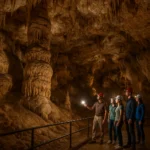
Yes, especially if you want an underground attraction rather than another beach. The park’s guided cave tours showcase stalactites, stalagmites, and limestone formations. Check Florida Caverns State Park for tour availability because cave access can change after storms or geological concerns.
Read more about “🌅 Where to Vacation on Florida’s West Coast: Top 10 Spots (2026)”
Are the hidden gems suitable for children?
Many are excellent for families, including Eden Gardens, Falling Waters, Big Lagoon, Ponce de Leon Springs, Grayton Beach, and the Man in the Sea Museum.
For younger children, prioritize:
- Short trails
- Restrooms nearby
- Shade
- Calm water
- Flexible meal options
Leave boat-access islands, long paddles, and remote forest routes for families with appropriate experience and gear.
Read more about “🌴 20 Epic Weekend Getaways in Florida for Families (2026)”
How can I visit responsibly?
Use official access points, stay on trails, pack out waste, avoid wildlife disturbance, respect private property, and follow fishing and boating rules. The Panhandle’s appeal depends on keeping its dunes, wetlands, springs, estuaries, and historic communities healthy for the next visitor.