Support our educational content for free when you purchase through links on our site. Learn more
Striking vs. Grapling in MMA: The Ultimate 2026 Breakdown ⚔️

Striking and grappling differ fundamentally in MMA because one relies on explosive distance management to end fights instantly, while the other depends on close-quarters leverage and control to force a submission or dominate the clock. Understanding how do striking and grappling styles differ in MMA is the key to unlocking the sport’s deepest strategic layers, moving beyond the chaos to see the calculated chess match beneath the sweat.
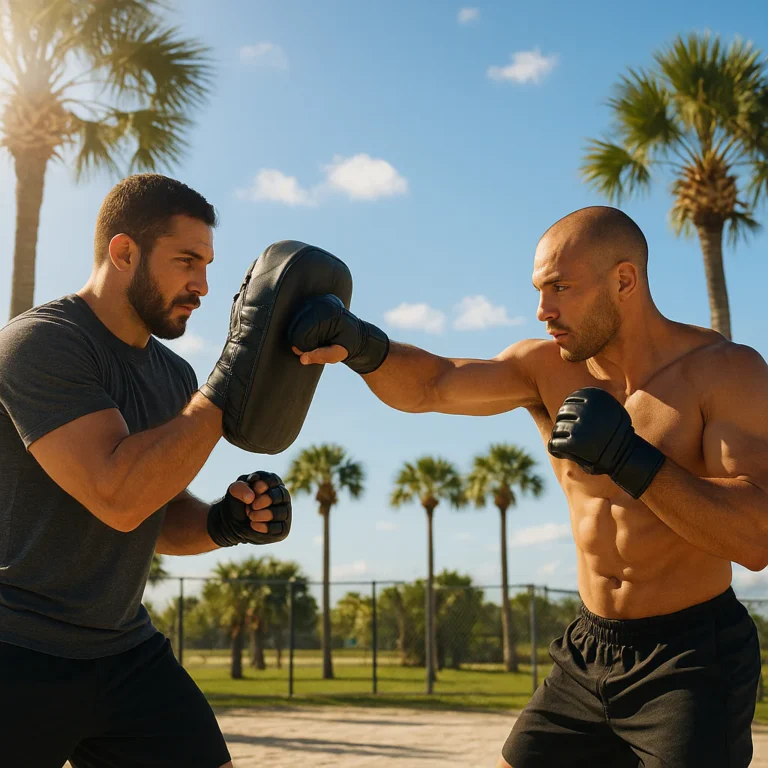
Imagine a fighter in a humid Florida gym, dodging a lightning-fast jab only to get dragged to the mat, where the rules of the game change entirely. This is the duality of the octagon: a standing battle of reflexes that can instantly transform into a ground war of patience and pain.
Did you know that while striking accounts for the most spectacular knockouts, over 40% of MMA finishes actually come from grappling submissions? It’s a statistic that often surprises newcomers who assume the loudest impact always wins.
Key Takeaways
- Range is King: Striking dominates at long to medium distance using fists and feet, whereas grappling requires close contact to execute takedowns and submissions.
- Win Conditions Differ: Strikers aim for Knockouts (KO) or Technical Knockouts (TKO), while graplers seek Submissions or positional dominance to win by decision.
- Risk Profiles Vary: Striking carries a higher risk of concussions and acute trauma, while grappling presents greater risks for joint injuries and cumulative physical wear.
- The Modern Hybrid: Today’s elite fighters must master both disciplines to survive, as a pure striker is vulnerable to takedowns and a pure grapler is vulnerable to strikes.
Table of Contents
- ⚡️ Quick Tips and Facts
- 📜 From Ancient Rings to Octagons: The Evolution of Striking and Grapling
- 🥊 The Art of the Strike: Mastering Stand-Up Combat
- 1. Boxing Fundamentals: The Sweet Science in MMA
- 2. Muay Thai Clinch and Knees: The Art of Eight Limbs
- 3. Kickboxing Dynamics: Distance Management and Power
- 4. Karate and Taekwondo: Unconventional Angles and Speed
- 🤼 The Ground Game: Dominating Through Grapling
- 1. Brazilian Jiu-Jitsu: The Gentle Giant’s Path to Submission
- 2. Wrestling Takedowns: Controlling the Pace and Position
- 3. Judo Throws: Using Opponent’s Momentum Against Them
- 4. Sambo and Catch Wrestling: The Hybrid Grapplers
- ⚖️ Striking vs. Grapling: A Deep Dive into Core Differences
- Range and Distance: Where the Fight Happens
- Scoring Systems: Points, Knockouts, and Submissions
- Risk vs. Reward: The High Stakes of Each Style
- Physical Demands: Cardio, Strength, and Flexibility
- 🔄 The Hybrid Era: Why Modern Fighters Must Master Both
- 1. The Danger of the Single-Style Fighter
- 2. Transitioning from Stand-Up to Ground: The Clinch and Takedown Defense
- 3. Ground-and-Pound: Blending Striking with Positional Control
- 4. Scrambles: When the Plan Goes Out the Window
- 🧠 Mental Chess: Strategy and Game Planning
- 🏆 Legendary Matchups: Case Studies in Style Clashes
- 🛠️ Choosing Your Path: Which Style Fits Your Body Type?
- 🎓 Training Tips for Aspiring Mixed Martial Artists
- 🏁 Conclusion
- 🔗 Recommended Links
- ❓ FAQ
- 📚 Reference Links
⚡️ Quick Tips and Facts
Before we dive into the sweat-soaked mats and the thunderous sound of gloves connecting with leather, let’s hit the pause button on the hype. You might think MMA is just a chaotic brawl, but it’s actually a highly calculated chess match played at 150 miles per hour. Here are a few nugets of wisdom from our team at Florida Getaways™, who have spent more time watching fights in Miami dive bars than we care to admit:
- The Injury Paradox: A recent Instagram poll cited in training circles suggests that 72% of practitioners report injuries from striking, while 67% report injuries from grappling. However, the nature of the injury differs wildly. Striking brings concussions and cuts; grappling brings torn ACLs and dislocated fingers. It’s the difference between a sudden storm and a slow erosion.
- The “One-Style” Trap: In the early days of the UFC, a pure striker could dominate a pure grapler, and vice versa. Today? That’s a recipe for a quick exit. The modern fighter is a hybrid. If you try to box a wrestler who doesn’t respect your takedown defense, you’ll be eating canvas before you throw a punch.
- The Mental Toll: As one fighter noted in our research, “Grapling has been harder on my body… but striking is harder mentally.” The constant threat of being knocked out creates a unique psychological pressure that grappling simply doesn’t replicate.
- The Florida Connection: Did you know that the heat and humidity of our Sunshine State make grappling even more grueling? The cardio demand in a humid gym is significantly higher. If you think you’re tired after a Florida beach walk, try a round of sparring in July! Speaking of exploring Florida’s unique environments, if you want to experience a different kind of underground adventure, check out our guide on Discover Florida Caverns State Park Underground Tours: 12 Must-See Highlights (2026) 🦇 at https://www.floridagetaways.org/florida-caverns-state-park-underground-tours/. It’s a cool, dry contrast to the sweaty mats!
📜 From Ancient Rings to Octagons: The Evolution of Striking and Grapling
The story of how we fight is as old as humanity itself. It didn’t start in a shiny octagon in Las Vegas; it started in the dust of ancient Greece and the muddy fields of feudal Japan.
Pankration: The Original Mix
Back in 648 BC, the Greeks introduced Pankration to the Olympic Games. It was a brutal mix of boxing and wrestling, allowing almost everything except eye-gouging and biting. It was the grandfather of MMA, proving that humans have always been fascinated by the clash of styles.
The Modern Renaissance
Fast forward to the 190s. The UFC was born with a simple question: “Which martial art is the best?” The answer, surprisingly, was “It depends.”
- Royce Gracie showed the world that a smaller grapler could choke out a larger striker, revolutionizing the sport with Brazilian Jiu-Jitsu (BJ).
- Mark Coleman and the “Shogun” era proved that Wrestling was the ultimate control mechanism.
- Bas Ruten and others demonstrated that Muay Thai and Boxing were essential for finishing fights.
Today, the evolution has moved from “which style wins” to “how do we blend them?” The modern fighter is a polymath, studying the Sweet Science of boxing while simultaneously drilling guard passes and takedowns.
Fun Fact: The term “Mixed Martial Arts” wasn’t even widely used until the late 90s. Before that, it was often called “No Holds Bared” (NHB), a name that scared off sponsors and regulators alike!
🥊 The Art of the Strike: Mastering Stand-Up Combat
Striking is the art of distance management. It’s about being close enough to hurt your opponent but far enough away to avoid their counter. It’s a dance where the music is the sound of impact.
1. Boxing Fundamentals: The Sweet Science in MMA
Boxing is the foundation of almost every striker’s game. It teaches you how to move your head, slip punches, and generate power from your hips.
- The Jab: The most important punch in the book. It measures distance, sets up combinations, and keeps the opponent honest.
- Footwork: In MMA, you can’t just circle; you have to be aware of the cage. Boxers like Floyd Mayweather are masters of this, but in the cage, you need to learn to fight off the fence.
- The Drawback: Pure boxers often struggle with the threat of takedowns. If you drop your hands to throw a hook, a wrestler might shoot for your legs.
Recommended Gear:
- Cleto Reyes Gloves: Known for their traditional design and excellent padding, favored by many professional boxers.
- Everlast Pro Style Training Gloves: A staple for beginners and pros alike, offering great durability.
👉 Shop Boxing Gloves on:
- Cleto Reyes: Amazon | Cleto Reyes Official
- Everlast: Amazon | Everlast Official
2. Muay Thai Clinch and Knees: The Art of Eight Limbs
If boxing is the sweet science, Muay Thai is the art of destruction. Using eight points of contact (fists, elbows, knees, shins), it’s arguably the most effective striking style for MMA.
- The Clinch: This is where Muay Thai shines. Controlling the opponent’s head and neck allows you to deliver devastating knees and elbows.
- The Low Kick: A well-placed low kick can cripple a striker’s mobility, turning them into a sitting duck.
- The Drawback: The clinch can be dangerous if you don’t know how to defend takedowns. A Muay Thai fighter who gets taken down without a plan is in trouble.
Real-World Example: Look at Israel Adesanya. He uses Muay Thai footwork and kicks to keep opponents at bay, but he’s also learned to defend takedowns to survive in the UFC.
3. Kickboxing Dynamics: Distance Management and Power
Kickboxing (specifically styles like K-1 or Dutch Kickboxing) blends boxing punches with high kicks.
- Head Kicks: The ultimate fight-ender. A spinning hook kick or a high roundhouse can end a fight in a split second.
- Pressure Fighting: Dutch style often involves walking opponents down, cutting off the cage, and overwhelming them with volume.
- The Drawback: High kicks leave you off-balance. If you miss a spinning kick, you’re vulnerable to a takedown.
4. Karate and Taekwondo: Unconventional Angles and Speed
These styles are often misunderstood in MMA, but they offer unique advantages.
- Unorthodox Angles: Karateka like Stephen Thompson use side-steps and bladed stances to make themselves hard targets.
- Speed: Taekwondo practitioners are masters of speed and flexibility, often landing kicks that seem to come from nowhere.
- The Drawback: Traditional stances can be too upright for MMA, leaving the legs open for takedowns.
🤼 The Ground Game: Dominating Through Grapling
If striking is the dance, grappling is the chess match. It’s about leverage, timing, and the ability to control an opponent against their will.
1. Brazilian Jiu-Jitsu: The Gentle Giant’s Path to Submission
BJ is the art of the submission. It teaches a smaller person to defeat a larger one using leverage and technique.
- The Guard: The most famous position in BJJ. From your back, you can control the opponent, sweep them, or submit them.
- Submissions: Chokes (Rear Naked Choke, Triangle) and joint locks (Armbar, Kimura) are the primary ways to win.
- The Drawback: BJJ practitioners can sometimes be too passive, looking for a submission while ignoring the threat of strikes. In MMA, you can’t just hold a position; you have to defend against punches.
Recommended Gear:
- Fuji Sports Gi: High-quality, durable gis for training.
- Venum Elite Rash Guard: Essential for no-gi grappling to prevent mat burn.
👉 Shop BJJ Gear on:
- Fuji Sports: Amazon | Fuji Official
- Venum: Amazon | Venum Official
2. Wrestling Takedowns: Controlling the Pace and Position
Wrestling is the most important grappling style for MMA. It dictates where the fight takes place.
- Takedowns: Double-leg, single-leg, and body-lock takedowns allow you to take the fight to the ground.
- Takedown Defense: The ability to sprawl and keep the fight standing is crucial for strikers.
- The Drawback: Wrestling is exhausting. It requires immense cardio and strength. If you can’t maintain the pace, you’ll gas out.
3. Judo Throws: Using Opponent’s Momentum Against Them
Judo focuses on throws and trips. In MMA, a good Judo throw can lead to a devastating ground-and-pound position.
- The Hip Throw: A classic Judo move that can turn a standing clinch into a dominant ground position.
- The Drawback: Judo rules prohibit striking, so Judo practitioners must adapt their timing to account for punches and kicks.
4. Sambo and Catch Wrestling: The Hybrid Grapplers
These styles blend elements of Judo, BJJ, and wrestling.
- Sambo: A Russian martial art that includes leg locks and throws. It’s highly effective in MMA.
- Catch Wrestling: An old-school style that focuses on submissions and pining. It’s known for its aggressive, no-nonsense approach.
⚖️ Striking vs. Grapling: A Deep Dive into Core Differences
Now, let’s break down the nitty-gritty. How do these styles actually differ in the heat of battle?
Range and Distance: Where the Fight Happens
- Striking: Operates at long to medium range. You need space to generate power. If an opponent gets too close, you’re vulnerable to takedowns.
- Grapling: Operates at close range. You need to be in the clinch or on the ground to execute your techniques. If you’re too far away, you can’t touch your opponent.
Scoring Systems: Points, Knockouts, and Submissions
- Striking Outcomes:
Knockout (KO): The opponent is unconscious.
Technical Knockout (TKO): The referee stops the fight due to strikes. - Grapling Outcomes:
Submission: The opponent taps out or goes unconscious.
Decision: If the fight goes the distance, judges score based on control, damage, and aggression.
Risk vs. Reward: The High Stakes of Each Style
- Striking Risk: High risk of concussion and permanent brain damage. One mistake can end your career.
- Grapling Risk: High risk of joint injuries and muscle tears. The damage is often cumulative rather than sudden.
Physical Demands: Cardio, Strength, and Flexibility
- Striking: Requires explosive power, speed, and agility. Cardio is crucial for maintaining a high pace.
- Grapling: Requires immense isometric strength, flexibility, and endurance. It’s a constant battle of leverage.
| Feature | Striking | Grapling |
|---|---|---|
| Primary Weapon | Fists, Feet, Knees, Elbows | Hands, Legs, Body Weight |
| Key Skill | Distance Management | Leverage & Control |
| Win Condition | KO, TKO, Decision | Submission, Pin, Decision |
| Injury Type | Concussions, Cuts | Joint Dislocations, Tears |
| Mental Focus | Reaction Time, Fear Management | Patience, Problem Solving |
🔄 The Hybrid Era: Why Modern Fighters Must Master Both
The days of the “one-trick pony” are over. If you want to succeed in modern MMA, you must be a hybrid.
1. The Danger of the Single-Style Fighter
A pure striker who can’t defend a takedown is a sitting duck. A pure grapler who can’t defend a strike is a punching bag. The best fighters, like Khabib Nurmagomedov or Jon Jones, seamlessly blend both.
2. Transitioning from Stand-Up to Ground: The Clinch and Takedown Defense
The transition is the most critical moment in a fight.
- The Clinch: This is the bridge between striking and grappling. A good clinch fighter can control the opponent’s posture, set up a takedown, or deliver knees.
- Takedown Defense: Strikers must learn to sprawl and underhook to keep the fight standing. Grapplers must learn to shoot for takedowns without getting caught in a guillotine.
3. Ground-and-Pound: Blending Striking with Positional Control
Once on the ground, the grapler becomes a striker. Ground-and-pound is the art of landing strikes from a dominant position (like mount or side control). This is where the lines between striking and grappling blur.
4. Scrambles: When the Plan Goes Out the Window
Sometimes, the fight becomes a chaotic scramble. Both fighters are trying to gain position, and the line between striking and grappling disappears. In these moments, instinct and adaptability are key.
🧠 Mental Chess: Strategy and Game Planning
MA is as much a mental game as it is physical.
- Game Planning: Before the fight, coaches analyze the opponent’s weaknesses. Do they have a weak chin? Do they struggle with takedowns?
- In-Fight Adjustments: The best fighters can adapt mid-fight. If Plan A fails, they switch to Plan B.
- The Mental Edge: Confidence is crucial. If you believe you can win, you’re more likely to take risks and execute your techniques.
🏆 Legendary Matchups: Case Studies in Style Clashes
Let’s look at some classic fights that defined the evolution of MMA.
- Royce Gracie vs. Ken Shamrock (UFC 1): The first true clash of styles. Gracie’s BJJ vs. Shamrock’s catch wrestling. Gracie won by submission, proving the effectiveness of BJJ.
- Chuck Liddell vs. Tito Ortiz (UFC 60): A clash of striking styles. Liddell’s boxing vs. Ortiz’s wrestling. Liddell’s knockout victory showed the power of pure striking.
- Khabib Nurmagomedov vs. Conor McGregor (UFC 29): The ultimate hybrid vs. striker. Khabib’s wrestling dominance vs. McGregor’s striking. Khabib’s ground-and-pound secured the victory.
🛠️ Choosing Your Path: Which Style Fits Your Body Type?
Not everyone is built the same. Your body type can influence which style you excel in.
- Short and Stocky: Ideal for Wrestling and Muay Thai. Your low center of gravity makes you hard to take down, and your power is concentrated.
- Tall and Lanky: Ideal for Kickboxing and Taekwondo. Your reach allows you to keep opponents at bay with long kicks and jabs.
- Average Build: You can excel in any style, but BJ and Boxing are great all-rounders.
🎓 Training Tips for Aspiring Mixed Martial Artists
Ready to start your journey? Here are some tips from the Florida Getaways™ team:
- Start with the Basics: Don’t try to learn everything at once. Master the fundamentals of one style before moving on.
- Cross-Train: Once you have a foundation, start cross-training. If you’re a striker, learn some BJJ. If you’re a grapler, learn some boxing.
- Find a Good Gym: Look for a gym that has experienced coaches and a supportive culture. Avoid gyms that encourage excessive sparring or bullying.
- Listen to Your Body: Rest is just as important as training. Don’t push yourself too hard and risk injury.
- Watch and Learn: Study fights of the pros. Analyze their techniques and strategies.
Recommended Resources:
- BJ Fanatics: A great resource for instructional videos from top fighters.
- The Grapplers Guide: A comprehensive guide to grappling techniques.
👉 Shop Instructional Videos on:
- BJ Fanatics: Amazon | BJ Fanatics Official
- UFC Fight Pass: UFC Official
🏁 Conclusion
So, what’s the verdict? Is striking better than grappling, or vice versa? The answer is as simple as it is complex: It depends on the fighter.
Striking offers the thrill of the knockout and the beauty of the dance. Grapling offers the satisfaction of control and the art of the submission. But in the modern era of MMA, the most successful fighters are those who can seamlessly blend both. They are the hybrids, the masters of the transition, the ones who can strike from the clinch and grapple from the stand-up.
If you’re just starting out, don’t worry about picking a side. Start with the basics, find a style that resonates with you, and then expand your horizons. Whether you’re a striker looking to learn some ground game or a grapler looking to add some punch to your arsenal, the journey is the reward.
And remember, as we’ve learned from our time in the gyms of Florida and beyond, the most important thing is to have fun, stay safe, and keep learning. After all, the best fighter isn’t the one who wins the most fights; it’s the one who never stops improving.
🔗 Recommended Links
Here are some essential resources for your MMA journey:
- Boxing Gloves:
Cleto Reyes: Amazon | Cleto Reyes Official
Everlast: Amazon | Everlast Official - BJ Gear:
Fuji Sports: Amazon | Fuji Official
Venum: Amazon | Venum Official - Instructional Videos:
BJ Fanatics: Amazon | BJ Fanatics Official
UFC Fight Pass: UFC Official - Books:
“The Essence of Judo” by Jigoro Kano: A classic text on the philosophy of Judo.
“Brazilian Jiu-Jitsu: Theory and Technique” by Renzo Gracie: A comprehensive guide to BJJ.
“The Art of Boxing” by Freddie Roach: Insights from one of the greatest boxing coaches.
❓ FAQ

What are the best striking styles for MMA beginners?
For beginners, Boxing and Muay Thai are often the best starting points. Boxing teaches fundamental footwork and punching mechanics, while Muay Thai introduces the use of elbows, knees, and the clinch. Both styles provide a solid foundation for stand-up fighting in MMA.
Read more about “🥊 7 Martial Arts That Dominate MMA (2026)”
How does grappling control the pace of an MMA fight?
Grapling controls the pace by dictating where the fight takes place. A grapler can take the fight to the ground, neutralizing the striker’s power and forcing the fight into a slower, more technical battle. This can drain the opponent’s energy and set up submission opportunities.
Can a pure striker defeat a pure grapler in MMA?
Yes, a pure striker can defeat a pure grapler, but it’s difficult. The striker must have excellent takedown defense and the ability to keep the fight standing. If the grapler can successfully take the fight to the ground, the striker is in trouble. However, if the striker can avoid the takedown and land a knockout, they can win.
Read more about “🥋 How Fighters Blend 5+ Arts in MMA Training (2026)”
What is the role of wrestling in modern MMA grappling?
Wrestling is the backbone of modern MMA grappling. It provides the ability to take the fight to the ground (takedowns) and keep the fight standing (takedown defense). Wrestlers also excel at controlling the opponent’s position on the ground, setting up strikes and submissions.
How do fighters transition from striking to grappling in a match?
The transition from striking to grappling usually happens in the clinch. A fighter will use their striking to set up a takedown, or they will use their grappling to close the distance and initiate a clinch. Once in the clinch, the fighter can execute a takedown or a throw to bring the fight to the ground.
Which MMA style is more effective for self-defense: striking or grappling?
Both styles have their merits for self-defense. Striking is effective for creating distance and ending a fight quickly, while grappling is effective for controlling an opponent and avoiding the need to strike. The best self-defense strategy is a combination of both, allowing you to adapt to any situation.
How do rule changes affect the balance between striking and grappling in MMA?
Rule changes can significantly affect the balance between striking and grappling. For example, rules that limit takedowns or encourage striking can shift the balance towards striking. Conversely, rules that encourage grappling or limit striking can shift the balance towards grappling. The evolution of MMA rules has generally led to a more balanced sport, where both striking and grappling are essential.
📚 Reference Links
- UFC Official Website: https://www.ufc.com/intro-to-ma
- BJ Fanatics: https://www.bjfianatics.com/
- The Grapplers Guide: https://www.thegraplersguide.com/
- Two Years of Jiu Jitsu / Grapling / Striking — A Review: https://hoshmand.net/two-years-of-jiu-jitsu-ma/
- Cleto Reyes Official: https://www.cletoreyes.com/
- Everlast Official: https://www.everlast.com/
- Fuji Sports Official: https://www.fujisports.com/
- Venum Official: https://www.venum.com/