Support our educational content for free when you purchase through links on our site. Learn more
🏝️ 6 of Florida’s Most Remote National Park Getaways (2026)

Imagine a place where the only sound is the lapping of turquoise waves against ancient brick walls, and the nearest neighbor is 70 miles away. That’s not a fantasy; it’s Dry Tortugas, the crown jewel of Florida’s most remote national park getaways. But here’s the twist: while Dry Tortugas steals the spotlight, it’s just one of six hidden sanctuaries where the “Sunshine State” truly feels wild, wild, and wonderfully empty. We’ve spent years chasing the horizon, from the cypress swamps of Big Cypress to the undeveloped dunes of Canaveral, and we can tell you this: true solitude in Florida is still possible, you just have to know where to look.
In this guide, we’re diving deep into the logistics, the wildlife, and the history of these isolated gems. You’ll discover how to reach the inaccessible without a private yacht, where to spot the elusive Florida panther, and why the “River of Grass” is actually a river of secrets. We’ll even reveal the one park where you can camp under a blanket of stars with zero light pollution—a secret we’ll save for the camping section, but trust us, it’s worth the wait. Whether you’re a history buff hunting for Civil War forts or a nature lover seeking the perfect snorkel spot, these six destinations offer an escape that feels worlds away from the crowds.
Key Takeaways
- Dry Tortugas is the most remote national park unit in the contiguous U.S., accessible only by boat or seaplane, offering unparalleled history and snorkeling.
- Big Cypress National Preserve and Everglades National Park provide vast, wilderness experiences where you can hike, kayak, and spot rare wildlife like the Florida panther.
- Biscayne National Park is unique as a 95% underwater sanctuary, perfect for marine life enthusiasts seeking a quiet aquatic adventure near Miami.
- Canaveral and Gulf Islands National Seashores offer miles of pristine, undeveloped beaches ideal for camping, sea turtle nesting, and escaping the tourist traps.
- Planning is critical: Most of these remote getaways require advance reservations, specific gear, and a flexible schedule to navigate weather and limited access.
Table of Contents
- ⚡️ Quick Tips and Facts
- 📜 A Brief History of Florida’s Wild Frontiers
- 🗺️ The Ultimate Guide to Florida’s Most Remote National Park Getaways
- 1. Dry Tortugas National Park: The Crown Jewel of Isolation
- 2. Biscayne National Park: The Aquatic Wilderness Near the City
- 3. Everglades National Park: Navigating the River of Grass
- 4. Big Cypress National Preserve: The Swamp That Defies Logic
- 5. Canaveral National Seashore: Where Rockets Meet Refs
- 6. Gulf Islands National Seashore: The Panhandle’s Hidden Sands
- 🦅 Best Florida National Parks for Pristine Wildlife Viewing
- 🏰 Unearthing History: Historical Sites Within Florida’s National Park System
- 🌊 Beaches and Blue Waters: Water Activities in Florida’s Remote Parks
- 🏕️ Camping in the Wild: Overnight Stays at Florida’s Most Secluded Parks
- 🚗 Getting There: Transportation Hacks for Remote Florida Destinations
- 🎒 Packing List: What You Need for Off-the-Grid Adventures
- 🌡️ Seasonal Guide: When to Visit Florida’s Remote Parks
- 🐍 Safety First: Navigating Wildlife and Weather in the Everglades and Beyond
- ❓ Frequently Asked Questions About Florida’s Remote National Parks
- 🏁 Conclusion
- 🔗 Recommended Links
- 📚 Reference Links
⚡️ Quick Tips and Facts
Before you pack your bags and head out to the edge of the map, let’s hit the rewind button on a few things you might think you know about Florida’s wildest corners. We’ve spent years chasing sunsets and dodging mosquitoes across the Sunshine State, and let us tell you: remote doesn’t always mean inaccessible, but it does mean planning is non-negotiable.
Here is the lowdown on Florida’s most isolated national park getaways:
- The Champion of Isolation: Dry Tortugas National Park takes the crown as the most remote unit in the contiguous U.S., sitting a staggering 70 miles west of Key West. You can’t drive there. You can’t Uber there. You have to earn your way there by sea or sky.
- The Underwater Giant: Biscayne National Park is unique because 95% of it is underwater. It’s not a park you hike through; it’s a park you dive into.
- The River of Grass: Everglades National Park is the largest subtropical wilderness in the U.S., protecting over 1.5 million acres. It’s so big, you could fit the entire state of Rhode Island inside it with room to spare.
- The “Swamp” Misconception: Big Cypress National Preserve isn’t just a swamp; it’s a cypress dome ecosystem that supports the elusive Florida panther. It’s quieter, wilder, and often less crowded than its famous neighbor.
- The Forgotten Coast: Canaveral National Seashore is one of the few places where you can find undeveloped shoreline stretching for miles, free from high-rise condos and souvenir shops.
- The Panhandle’s Secret: Gulf Islands National Seashore offers pristine white sands and historic forts, often overlooked by tourists flocking to the more commercialized beaches nearby.
Pro Tip: If you’re looking for a Florida getaway that feels like you’ve stepped into a time machine, check out our guide to Florida Getaways for more hidden gems.
| Park | Primary Access Method | Best For | Remote Factor (1-10) |
|---|---|---|---|
| Dry Tortugas | Ferry or Seaplane | History & Snorkeling | 10/10 |
| Biscayne | Boat/Kayak | Marine Life | 7/10 |
| Everglades | Car/Boat | Wildlife & Hiking | 8/10 |
| Big Cypress | Car/Boat | Solitude & Scenic Drives | 9/10 |
| Canaveral | Car/Boat | Beaches & Sea Turtles | 8/10 |
| Gulf Islands | Car/Boat | Camping & History | 7/10 |
📜 A Brief History of Florida’s Wild Frontiers

You might think Florida’s national parks are just about alligators and beaches, but the history here is as deep as the ocean trenches. These weren’t always “parks”; they were strategic military outposts, indigenous trade routes, and shipwreck graveyards.
The Age of Forts and Folly
The story of Florida’s remote parks is inextricably linked to Fort Jefferson in Dry Tortugas. Built in the 180s, this massive brick fortress was intended to control the Florida Straits. It was never finished, yet it stands as the largest brick masonry structure in the Americas. It served as a prison during the Civil War, famously holding Dr. Samuel Mudd, the man who set John Wilkes Booth’s broken leg.
“The experience feels like a tropical escape paired with a dose of American history,” says one traveler who braved the ferry ride. “It’s not just a park; it’s a time capsule.”
The Indigenous Roots
Long before the Spanish arrived, the Timucuan people thrived in what is now the Timucuan Ecological and Historic Preserve near Jacksonville. They built massive shell middens, like Turtle Mound in Canaveral National Seashore, which served as navigational markers and burial sites. These aren’t just piles of shells; they are ancient monuments that tell the story of a civilization that lived in harmony with the coast for thousands of years.
The Conservation Movement
The push to protect these wild places gained momentum in the 20th century. Everglades National Park was established in 1934, largely due to the efforts of Ernest F. Coe, who fought to save the “River of Grass” from drainage and development. Similarly, Big Cypress was designated a National Preserve in 1974 to protect the habitat of the Florida panther and the unique cypress ecosystems.
🗺️ The Ultimate Guide to Florida’s Most Remote National Park Getaways
Ready to trade the crowds for solitude? Let’s dive into the nitty-gritty of each destination. We’ve broken down the logistics, the vibes, and the “why you need to go” factors for every remote gem in the Sunshine State.
1. Dry Tortugas National Park: The Crown Jewel of Isolation
If you want to feel like you’re on a different planet, Dry Tortugas is your ticket. Located 70 miles west of Key West, this archipelago is the definition of “off the grid.”
How to Get There: The Great Debate
You have three options, and each changes the experience entirely:
- The Yankee Freedom III Ferry: The most popular choice. It departs daily from Key West. The ride takes about 2.5 hours each way. You get breakfast, a narrated tour, and snorkel gear included.
Pros: Comfortable, reliable, includes amenities.
Cons: Expensive, fixed schedule, can get crowded.
Book it: Yankee Freedom Ferry Tickets - Seaplane: The fast track. A 40-minute flight from Key West offers breathtaking aerial views of the turquoise waters.
Pros: Fast, incredible views, less motion sickness.
Cons: More expensive, weather-dependent, less time on the island.
Book it: Key West Seaplane Adventures - Private Boat: The ultimate freedom. If you have a boat (or charter one), you can anchor in the designated areas.
Pros: Total privacy, flexible schedule.
Cons: Requires navigation skills, no amenities, weather risks.
What to Do: Beyond the Fort
Yes, Fort Jefferson is the star. Walking through its massive brick walls is like stepping into a history book. But don’t stop there.
- Snorkeling: The water clarity here is legendary. You’ll see sea turtles, nurse sharks, and vibrant coral reefs just off the moat wall.
Tip: Bring your own gear! Rentals aren’t available on the island. - Bird Watching: The park is a haven for migratory birds, including the brown boby and soty tern.
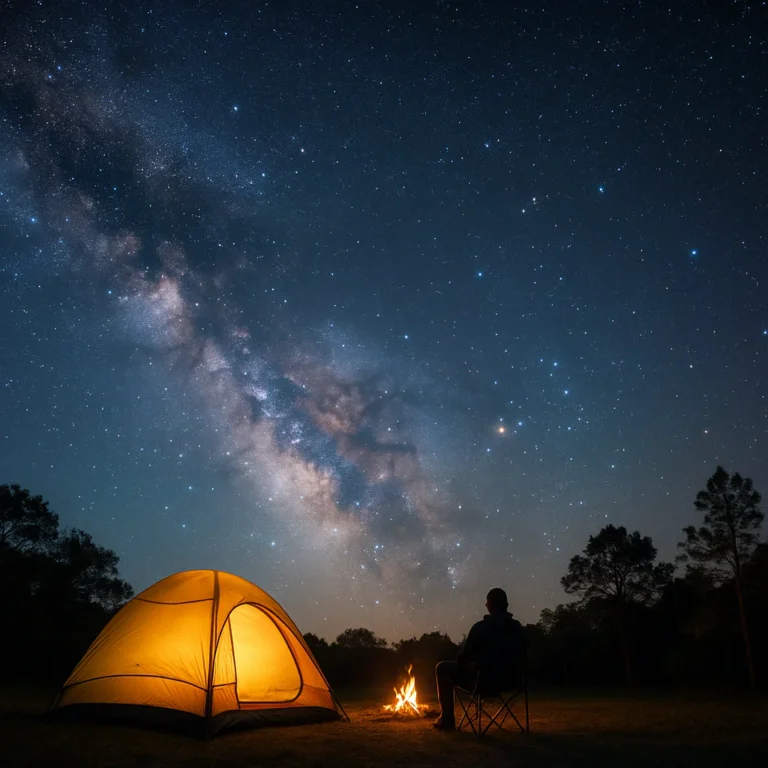
- Camping: For the true adventurer, Garden Key offers 8 primitive campsites. No electricity, no running water, just you and the stars. It’s first-come, first-served, so arrive early!
Local Insight: We once watched a family struggle to set up their tent in the wind. They learned the hard way: secure your gear or the wind will do it for you. Check the National Park Service guide on camping before you go.
2. Biscayne National Park: The Aquatic Wilderness Near the City
Don’t let the proximity to Miami fool you. Biscayne National Park is a world away from the city’s hustle. It’s a rare gem where 95% of the park is underwater, protecting the northernmost coral reef in the Western Hemisphere.
The Underwater Experience
- Snorkeling & Diving: The Coral Reef is the main attraction. You can see parotfish, spotted eagle rays, and even manates in the seagrass beds.
Recommended Gear: Mares Snorkel Set | Cressi Mask - Kayaking: Paddle through the Mangrove Tunnel at the Convoy Point area. It’s a serene experience, gliding through the “green cathedral” of mangroves.
- Boat Tours: If you don’t have a boat, the Biscayne National Park Institute offers guided tours.
The Land Side
While most of the park is water, the Mangrove Trail offers a short, easy hike through the coastal mangroves. It’s a great spot for spotting herons and ospreys.
Did You Know? Biscayne is one of the few national parks where you can see coral reefs without leaving the mainland. It’s a unique ecosystem that’s under threat from climate change, making your visit even more meaningful.
3. Everglades National Park: Navigating the River of Grass
The Everglades is a vast, slow-moving river of grass that flows from Lake Okechobee to the Gulf of Mexico. It’s a place where time seems to stand still.
The Three Entrances
- Ernest Coe Visitor Center (Homestead): The main hub. Great for introductions, ranger programs, and the Anhinga Trail.
- Shark Valley (Tamiami Trail): Famous for its 15-mile tram tour and bike rentals. It’s the best place to see alligators up close.
- Gulf Coast (Everglades City): The gateway to the backcountry. Perfect for kayaking and exploring the Ten Thousand Islands.
Wildlife Wonders
- Alligators: You’ll see them everywhere, but remember: they are wild animals. Keep a safe distance.
- Birds: The Everglades is a birdwatcher’s paradise. Look for roseate spoonbills, wood storks, and snail kites.
- Florida Panther: Rare and elusive, but if you’re lucky, you might spot tracks or even the cat itself.
Safety First: Never feed the wildlife. It’s not just illegal; it’s dangerous. Check out our Nature and Wildlife category for more tips on safe animal encounters.
4. Big Cypress National Preserve: The Swamp That Defies Logic
If the Everglades is the “River of Grass,” Big Cypress is the “Swamp of Trees.” It’s a place of cypress domes, pine flatwoods, and sawgrass marshes.
Why It’s Special
- Solitude: It’s often less crowded than the Everglades, making it perfect for those seeking quiet reflection.
- Scenic Drive: The Loop Road is a 20-mile gravel road that takes you deep into the preserve. It’s a great way to see the landscape without hiking.
- Off-Roading: With a permit, you can explore the Big Cypress National Preserve on four-wheel-drive vehicles. It’s an adventure like no other.
Activities
- Hiking: The Big Cypress National Preserve has several trails, including the Florida National Scenic Trail.
- Fishing: The preserve is home to some of the best freshwater fishing in Florida.
- Camping: There are several campgrounds, including Big Cypress Campground, which offers RV sites and tent sites.
Pro Tip: The best time to visit is during the dry season (December to April) when the water levels are lower, and wildlife is more visible.
5. Canaveral National Seashore: Where Rockets Meet Refs
Stretching along the east coast, Canaveral National Seashore is a haven for those who love pristine beaches and historic sites.
The Highlights
- Turtle Mound: An ancient shell midden built by the Timucuan people. It’s a great spot for a picnic and a view of the ocean.
- Sea Turtle Nesting: From May to October, sea turtles come ashore to nest. It’s a magical experience to watch them under the guidance of a ranger.
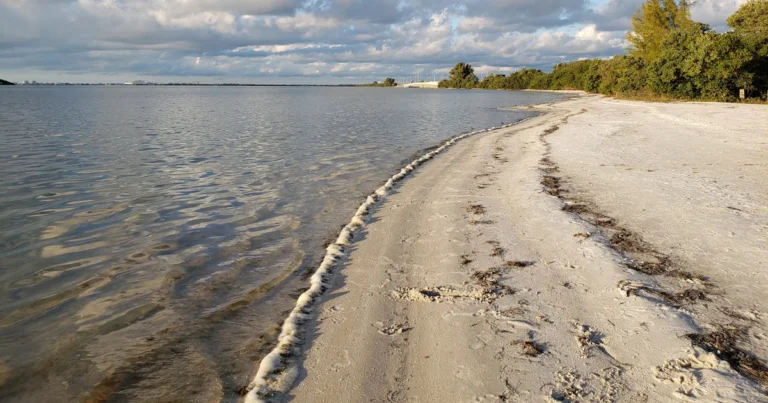
- Beaches: The seashore offers miles of undeveloped shoreline, perfect for swimming, sunbathing, and fishing.
Access
- By Car: The main entrance is at New Smyrna Beach.
- By Boat: You can access the seashore by boat, but be aware of the no-wake zones and anchoring restrictions.
Local Secret: Visit Playalinda Beach early in the morning to avoid the crowds and catch the sunrise. It’s a photographer’s dream.
6. Gulf Islands National Seashore: The Panhandle’s Hidden Sands
While the rest of Florida is famous for its east coast, the Panhandle has its own hidden gem: Gulf Islands National Seashore.
What Makes It Unique
- White Sands: The beaches here are made of quartz sand, giving them a brilliant white color.
- Historic Forts: Fort Pickens is a massive fort that played a role in the Civil War. It’s a great place to explore and learn about history.
- Camping: The seashore offers several campgrounds, including Fort Pickens Campground, which is right on the beach.
Activities
- Snorkeling: The clear waters are perfect for snorkeling.
- Fishing: The seashore is a great spot for surf fishing and pier fishing.
- Hiking: There are several trails that take you through the dunes and maritime forests.
Did You Know? The Gulf Islands National Seashore is one of the most visited national seashores in the U.S., but it still feels remote and untouched.
🦅 Best Florida National Parks for Pristine Wildlife Viewing
Florida’s national parks are a haven for wildlife enthusiasts. From the Florida panther in Big Cypress to the manates in Biscayne, there’s no shortage of creatures to observe.
Top Spots for Wildlife
- Everglades National Park: Best for alligators, birds, and panthers.
- Biscayne National Park: Best for sea turtles, manates, and coral reef fish.
- Big Cypress National Preserve: Best for panthers, black bears, and cypress dome birds.
- Canaveral National Seashore: Best for sea turtles and shorebirds.
- Gulf Islands National Seashore: Best for dolphins, sea turtles, and shorebirds.
Tips for Wildlife Viewing
- Bring Binoculars: A good pair of binoculars can make all the difference.
Recommended: Vortex Optics Binoculars - Stay Quiet: The quieter you are, the more wildlife you’ll see.
- Respect Distance: Never get too close to wild animals. It’s dangerous for both you and them.
Local Insight: We once saw a Florida panther crossing the road in Big Cypress. It was a once-in-a-lifetime experience. Remember, patience is key when wildlife viewing.
🏰 Unearthing History: Historical Sites Within Florida’s National Park System
Florida’s national parks are not just about nature; they’re also about history. From Fort Jefferson to Castillo de San Marcos, there’s a wealth of historical sites to explore.
Key Historical Sites
- Dry Tortugas National Park: Fort Jefferson, the largest brick masonry structure in the Americas.
- Canaveral National Seashore: Turtle Mound, ancient shell midden.
- Gulf Islands National Seashore: Fort Pickens, a Civil War-era fort.
- Castillo de San Marcos National Monument: The oldest coquina stone fort in the continental U.S.
- Fort Matanzas National Monument: A Spanish fort that guarded the southern approach to St. Augustine.
- Fort Caroline National Memorial: The site of a 16th-century French colony.
- De Soto National Memorial: Marks Hernando de Soto’s 1539 landing.
Why Visit?
These sites offer a glimpse into Florida’s rich history, from the Timucuan people to the Spanish and American eras. They’re a great way to learn about the past while enjoying the beauty of the present.
Did You Know? Fort Jefferson was used as a prison during the Civil War. It’s a fascinating piece of history that’s often overlooked.
🌊 Beaches and Blue Waters: Water Activities in Florida’s Remote Parks
Florida’s national parks are a paradise for water lovers. From snorkeling to kayaking, there’s no shortage of activities to enjoy.
Top Water Activities
- Snorkeling: Dry Tortugas, Biscayne, and Gulf Islands offer some of the best snorkeling in the state.
- Kayaking: Everglades, Biscayne, and Canaveral are great for kayaking through mangroves and coastal waters.
- Paddleboarding: Many parks offer calm waters perfect for paddleboarding.
- Fishing: Gulf Islands, Everglades, and Big Cypress offer excellent fishing opportunities.
Gear Recommendations
- Snorkel Gear: Mares Snorkel Set | Cressi Mask
- Kayak: Perception Kayaks | Old Town Kayaks
- Paddleboard: iRocker Paddleboards
Local Tip: Always check the tide charts and weather forecasts before heading out. The conditions can change quickly in Florida.
🏕️ Camping in the Wild: Overnight Stays at Florida’s Most Secluded Parks
For the ultimate remote experience, camping is the way to go. From primitive campsites in Dry Tortugas to RV-friendly campgrounds in Gulf Islands, there’s a spot for everyone.
Camping Options
- Dry Tortugas: 8 primitive campsites on Garden Key. No electricity, no running water.
- Everglades: Backcountry camping with permits.
- Big Cypress: Several campgrounds, including Big Cypress Campground.
- Gulf Islands: Fort Pickens Campground and Perdido Key Campground.
- Canaveral: Playalinda Beach offers primitive camping.
Tips for Camping
- Book Early: Campsites fill up quickly, especially in Dry Tortugas.
- Bring Water: Many campsites don’t have running water.
- Pack Out Trash: Leave no trace. Pack out everything you pack in.
Local Insight: We once camped in Dry Tortugas and watched the sunrise over the ocean. It was a magical experience. Just remember to secure your gear against the wind.
🚗 Getting There: Transportation Hacks for Remote Florida Destinations
Reaching Florida’s remote parks can be a challenge, but with the right planning, it’s totally doable.
Transportation Options
- Ferry: The Yankee Freedom III is the only official ferry to Dry Tortugas.
- Seaplane: A fast and scenic way to reach Dry Tortugas.
- Private Boat: For those with their own vessel.
- Car: Most parks are accessible by car, but some require a boat or kayak to reach the best spots.
Tips for Getting There
- Book Early: Ferry and seaplane tickets sell out quickly.
- Check Weather: Weather can affect transportation schedules.
- Plan Ahead: Some parks require permits for backcountry camping.
Local Tip: If you’re driving to Everglades National Park, consider renting a car with all-wheel drive for the better access to remote areas.
🎒 Packing List: What You Need for Off-the-Grid Adventures
Packing for a remote adventure requires careful planning. Here’s what you need to bring:
Essential Gear
- Water: Bring plenty of water. Many parks don’t have running water.
- Food: Pack non-perishable food. No stores in most remote parks.
- Sun Protection: Sunscreen, hats, and sunglasses are a must.
- Insect Repellent: Mosquitoes can be a problem in some areas.
- First Aid Kit: Always be prepared for emergencies.
- Navigation: Maps, compass, or GPS device.
- Lighting: Headlamps or flashlights for night activities.
Recommended Brands
- Water Bottles: Hydro Flask | Nalgene
- Sunscreen: Blue Lizard Sunscreen
- Insect Repellent: Off! Deep Woods
- First Aid Kit: Adventure Medical Kits
Local Tip: Don’t forget to pack a dry bag for your electronics and valuables. The humidity and water can be tough on gear.
🌡️ Seasonal Guide: When to Visit Florida’s Remote Parks
Timing is everything when it comes to visiting Florida’s remote parks. Here’s a breakdown of the best times to go:
Best Times to Visit
- Dry Tortugas: March to May and October to November offer the best weather and fewer crowds.
- Everglades: December to April is the dry season, with cooler temperatures and less mosquitoes.
- Big Cypress: December to April is the best time to visit, with lower water levels and more wildlife.
- Canaveral: March to May and September to November offer the best weather.
- Gulf Islands: March to May and September to November are ideal.
What to Avoid
- Huricane Season: June to November is hurricane season. Be prepared for sudden weather changes.
- Summer Heat: June to August can be extremely hot and humid.
- Crowds: Winter holidays and spring break can be crowded.
Local Tip: Check the weather forecast before you go. Florida weather can change quickly.
🐍 Safety First: Navigating Wildlife and Weather in the Everglades and Beyond
Safety is paramount when exploring Florida’s remote parks. Here are some tips to stay safe:
Wildlife Safety
- Alligators: Keep a safe distance. Never feed them.
- Snakes: Watch where you step. Most snakes are harmless, but some are venomous.
- Bears: In Big Cypress, be aware of black bears. Store food properly.
- Mosquitoes: Use insect repellent and wear long sleeves.
Weather Safety
- Huricanes: Be aware of the huricane season and have a plan.
- Heat: Stay hydrated and take breaks in the shade.
- Lightning: If you hear thunder, seek shelter immediately.
Local Tip: Always let someone know your itinerary and expected return time. It’s a simple step that can save a life.
❓ Frequently Asked Questions About Florida’s Remote National Parks
Is Biscayne National Park accessible for remote getaways?
Yes, but it requires a boat. Most of the park is underwater, so you’ll need to bring your own vessel or join a guided tour. It’s a great option for those who want a remote experience without the hassle of a long ferry ride.
What wildlife can I see in Florida’s most isolated parks?
You can see alligators, manates, sea turtles, Florida panthers, black bears, and a variety of birds. Each park has its own unique wildlife.
Can you fly directly to Dry Tortugas from Miami?
No, you can’t fly directly from Miami. You need to fly to Key West first, then take a seaplane or ferry to Dry Tortugas.
What are the best hidden gems in Florida’s national parks?
Turtle Mound in Canaveral, Fort Pickens in Gulf Islands, and the Mangrove Tunnel in Biscayne are some of the best hidden gems.
Are there any remote camping spots in Everglades National Park?
Yes, there are backcountry camping spots, but you need a permit. It’s a great way to experience the park’s solitude.
How do I get to Dry Tortugas National Park without a boat?
You can take the Yankee Freedom III ferry or a seaplane from Key West.
What is the most secluded national park in Florida?
Dry Tortugas National Park is the most secluded, located 70 miles west of Key West.
What is the best time of year to visit Florida’s least crowded parks?
March to May and October to November are the best times to visit, with fewer crowds and better weather.
Can you hike to remote beaches in Florida’s national parks?
Yes, many parks have trails that lead to remote beaches. Canaveral National Seashore and Gulf Islands National Seashore are great options.
What wildlife can I see in Florida’s most isolated national park?
In Dry Tortugas, you can see sea turtles, nurse sharks, tropical fish, and migratory birds.
Are there any hidden gems in Florida’s national parks for solo travelers?
Yes, Big Cypress National Preserve and Canaveral National Seashore are great for solo travelers seeking solitude.
🏁 Conclusion

Florida’s most remote national park getaways offer a unique blend of history, nature, and adventure. From the massive brick walls of Fort Jefferson in Dry Tortugas to the pristine beaches of Gulf Islands, there’s something for everyone.
Our Top Recommendation: If you’re looking for the ultimate remote experience, Dry Tortugas National Park is a must-visit. It’s the most secluded, the most historic, and the most breathtaking. Just remember to book early and pack light.
For Wildlife Lovers: Everglades National Park and Big Cypress National Preserve are your best bets. You’ll see alligators, panthers, and a variety of birds.
For Beach Lovers: Canaveral National Seashore and Gulf Islands National Seashore offer miles of pristine beaches and clear waters.
Final Thought: Whether you’re a history buff, a nature lover, or an adventure seeker, Florida’s remote national parks have something for you. So pack your bags, grab your gear, and get ready for an unforgettable journey.
Ready to explore? Check out our Beach Escapes and Budget-friendly Trips categories for more ideas.
🔗 Recommended Links
Camping Gear
- Tents: REI Co-op Tents | Big Agnes Tents
- Sleeping Bags: Marmot Sleeping Bags | The North Face Sleeping Bags
- Coolers: Yeti Coolers | RTIC Coolers
Snorkeling Gear
- Masks: Cressi Masks | Mares Masks
- Fins: Tusa Fins | Scubapro Fins
Books
- Florida National Parks Guide: Florida National Parks: A Guide to the Best of the Sunshine State
- Dry Tortugas History: Fort Jefferson: The Story of America’s Largest Brick Fortress
📚 Reference Links
- Dry Tortugas National Park – National Park Service
- Everglades National Park – National Park Service
- Biscayne National Park – National Park Service
- Big Cypress National Preserve – National Park Service
- Canaveral National Seashore – National Park Service
- Gulf Islands National Seashore – National Park Service
- Yankee Freedom Ferry
- Key West Seaplane Adventures