Support our educational content for free when you purchase through links on our site. Learn more
12 Secluded Barrier Islands in Florida Only Accessible by Boat 🛥️ (2026)

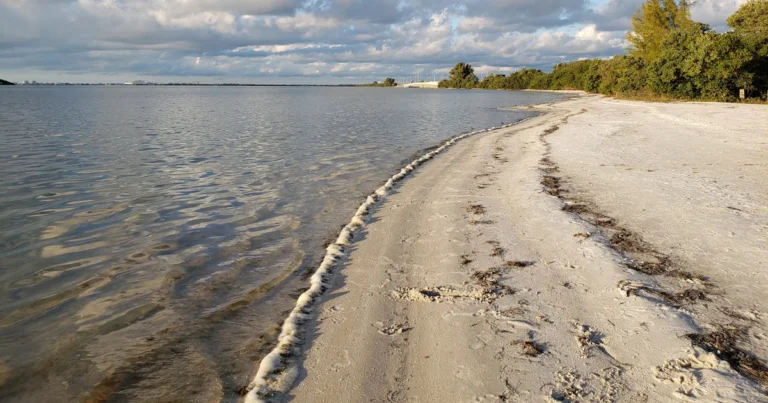
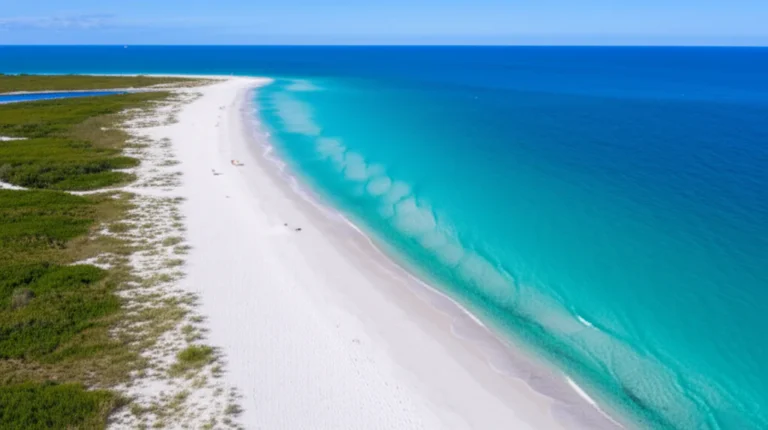
Ever dreamed of stepping onto a pristine beach where the only footprints are your own? Florida’s coastline hides a treasure trove of secluded barrier islands that you can only reach by boat—no bridges, no crowds, just pure, untouched paradise. From historic forts slowly reclaimed by nature to shell-strewn shores perfect for treasure hunting, these islands offer a rare escape into Florida’s wild heart.
We’ve spent countless days navigating the Gulf Coast and Keys, uncovering 12 incredible islands that promise solitude, adventure, and breathtaking beauty. Curious about which island lets you camp under the stars, or where you might stumble upon a ghost town beneath the waves? Stick around — we’re diving deep into the history, access tips, must-have gear, and unforgettable experiences that make these islands Florida’s best-kept secrets.
Key Takeaways
- Florida’s secluded barrier islands are accessible only by boat, offering unmatched privacy and natural beauty.
- The list includes 12 top islands, from the historic Egmont Key to the remote Dry Tortugas.
- Preparation is essential: navigation gear, safety equipment, and provisions are a must for these primitive destinations.
- Expect limited or no amenities—embrace the “barefoot luxury” of true wilderness.
- These islands are vital wildlife habitats and historical sites, so practicing Leave No Trace is crucial.
- Whether you’re into shelling, snorkeling, fishing, or camping, these islands deliver unforgettable experiences far from the crowds.
Ever felt like the world is just a bit too… loud? Like if you hear one more car horn or Slack notification, you might just walk into the ocean and keep going? Well, grab your captain’s hat and a bottle of Sun Bum sunscreen, because we’re taking you where the Wi-Fi is weak but the rum punch is strong.
Florida is famous for its beaches, but the real magic happens when you leave the mainland—and the crowds—behind. We’re talking about those “blink-and-you’ll-miss-them” slivers of sand that don’t have bridges, parking lots, or overpriced t-shirt shops. These are the secluded barrier islands in Florida only accessible by boat, and we’ve spent years navigating our Boston Whaler through the mangroves to find the very best ones for you.
Ready to find out which island has a “ghost town” hidden under the waves and which one lets you camp right on the sand? Stick with us; we’re spilling all our local secrets. 🏝️
⚡️ Quick Tips and Facts
Before you untie the lines and head into the wild blue yonder, here’s the “Too Long; Didn’t Read” version of island hopping like a pro.
| Feature | What You Need to Know |
|---|---|
| Best Time to Go | October to May (Avoid the “No-See-Um” swarm of summer!) |
| Essential Gear | YETI Tundra 45 Cooler, Garmin Quatix 7 Marine Watch, and a physical chart. |
| Navigation | Watch the tides! Florida’s Gulf Coast is notoriously shallow. |
| Wildlife | Manatees, Gopher Tortoises, and the occasional curious Dolphin. 🐬 |
| Leave No Trace | If you pack it in, pack it out. These ecosystems are fragile! |
- Pro Tip: Always check the NOAA Tides and Currents before heading out. Getting stuck on a sandbar at low tide is a Florida rite of passage you definitely want to skip. ✅
- Safety First: Ensure your boat has a working VHF radio and enough life jackets for everyone on board. ❌ Don’t rely solely on cell service; it’s spotty at best once you’re offshore.
📜 The Lore and Legend of Florida’s Untouched Shores
Florida’s barrier islands aren’t just piles of sand; they are the shifting, breathing history books of the Sunshine State. Long before the first Yamaha outboard motor hummed across the water, these islands were the domain of the Calusa Indians—the “Shell Indians”—who built massive mounds that still stand today.
In the 1800s, these secluded spots became hideouts for pirates like José Gaspar (if you believe the legends!) and later, rugged pioneers who braved the mosquitoes to establish fishing ranchos. Some islands, like Egmont Key, served as strategic military outposts during the Civil War and the Spanish-American War. You can still walk through the crumbling ruins of Fort Dade, where nature is slowly reclaiming the brickwork.
These islands are ephemeral. They grow, shrink, and migrate with every hurricane and cold front. When you step onto a boat-access-only beach, you’re stepping onto land that looks much the same as it did when Spanish explorers first sighted it 500 years ago. It’s raw, it’s wild, and it’s waiting for you.
Table of Contents
- ⚡️ Quick Tips and Facts
- 📜 The Lore and Legend of Florida’s Untouched Shores
- 🚤 Why Boat-Only Access is the Ultimate Florida Flex
- 🏝️ 12 Secluded Barrier Islands You Can Only Reach by Water
- 1. Egmont Key State Park: Ruins and Reptiles
- 2. Caladesi Island State Park: The Crown Jewel of Dunedin
- 3. Cayo Costa State Park: Nine Miles of Untamed Paradise
- 4. Anclote Key Preserve State Park: The Lighthouse Sentinel
- 5. Shell Key Preserve: A Sheller’s Secret Sanctuary
- 6. Indian Key Historic State Park: A Ghost Town in the Sea
- 7. Don Pedro Island State Park: The Hidden Gem of Charlotte Harbor
- 8. Keewaydin Island: Naples’ Wild Side
- 9. Peanut Island Park: Snorkeling and Cold War History
- 10. Dry Tortugas National Park: The Ultimate Remote Outpost
- 11. Beer Can Island (Pine Key): The Tampa Bay Party Spot
- 12. Dog Island: The Forgotten Coast’s Best Kept Secret
- ⚓ Charting Your Course: How to Plan Your Island Escape
- 🤿 Island Vibes: Unforgettable Experiences on the Water
- 🎒 Barefoot Luxury: What Amenities to Expect (or Not)
- 📸 Visual Inspiration: A Gallery of Florida’s Hidden Horizons
- 🐢 Stewards of the Sea: The People Protecting Our Paradise
- 🗺️ X Marks the Spot: Navigational Maps for Your Journey
- 🏁 Conclusion
- 🔗 Recommended Links
- ❓ FAQ: Everything You Need to Know Before You Cast Off
- 📚 Reference Links
⚡️ Quick Tips and Facts
Before you untie the lines and head into the wild blue yonder, here’s the “Too Long; Didn’t Read” version of island hopping like a pro.
| Feature | What You Need to Know |
|---|---|
| Best Time to Go | October to May (Avoid the “No-See-Um” swarm of summer!) |
| Essential Gear | YETI Tundra 45 Cooler, Garmin Quatix 7 Marine Watch, and a physical chart. |
| Navigation | Watch the tides! Florida’s Gulf Coast is notoriously shallow. |
| Wildlife | Manatees, Gopher Tortoises, and the occasional curious Dolphin. 🐬 |
| Leave No Trace | If you pack it in, pack it out. These ecosystems are fragile! |
- Pro Tip: Always check the NOAA Tides and Currents before heading out. Getting stuck on a sandbar at low tide is a Florida rite of passage you definitely want to skip. ✅
- Safety First: Ensure your boat has a working VHF radio and enough life jackets for everyone on board. ❌ Don’t rely solely on cell service; it’s spotty at best once you’re offshore.
📜 The Lore and Legend of Florida’s Untouched Shores
Florida’s barrier islands aren’t just piles of sand; they are the shifting, breathing history books of the Sunshine State. Long before the first Yamaha outboard motor hummed across the water, these islands were the domain of the Calusa Indians—the “Shell Indians”—who built massive mounds that still stand today.
In the 1800s, these secluded spots became hideouts for pirates like José Gaspar (if you believe the legends!) and later, rugged pioneers who braved the mosquitoes to establish fishing ranchos. Some islands, like Egmont Key, served as strategic military outposts during the Civil War and the Spanish-American War. You can still walk through the crumbling ruins of Fort Dade, where nature is slowly reclaiming the brickwork.
These islands are ephemeral. They grow, shrink, and migrate with every hurricane and cold front. When you step onto a boat-access-only beach, you’re stepping onto land that looks much the same as it did when Spanish explorers first sighted it 500 years ago. It’s raw, it’s wild, and it’s waiting for you.
🚤 Why Boat-Only Access is the Ultimate Florida Flex
Let’s be real: Florida has some of the most stunning beaches in the world. But sometimes, “stunning” comes with a side of “packed parking lots,” “shoulder-to-shoulder sunbathers,” and “the incessant drone of jet skis.” If you’re anything like us at Florida Getaways™, you crave something more. You crave the whisper of the wind, the cry of an osprey, and the feeling that you’ve discovered your own private slice of paradise. That, my friends, is the magic of Florida’s secluded barrier islands only accessible by boat.
Why is boat-only access the ultimate flex? It’s simple: exclusivity. No bridges mean no cars, no crowds, and no commercial development. It’s just you, your crew, and the untamed beauty of Florida’s wild coastlines. These remote beaches offer an unparalleled sense of solitude, a chance to truly disconnect from the daily grind and reconnect with nature. Imagine pulling up to a pristine beach, the only footprints in the sand being your own. That’s not just a dream; it’s a regular Tuesday for us!
“The only way to arrive is by boat,” as Yvonne Summerfield’s blog aptly puts it, perfectly encapsulates the allure. This isn’t just about getting away; it’s about the journey itself. Navigating the channels, spotting dolphins playing in your wake, and feeling the salt spray on your face—it’s all part of the adventure. It’s a chance to experience Florida as it once was, a true private island experience that feels a million miles away from the theme parks and high-rises.
We’ve spent countless hours exploring these untouched beaches, from the Gulf Coast islands to the Keys backcountry, and we can confidently say that these boating adventures are where the real Florida lives. Whether you’re seeking a tranquil spot for remote island camping, a shelling paradise, or a vibrant wildlife sanctuary, these boat-only destinations deliver. Ready to discover your next great Florida getaway? Check out our other insights on Florida Getaways for more inspiration!
🏝️ 12 Secluded Barrier Islands You Can Only Reach by Water
Alright, buckle up, buttercup! This is the moment you’ve been waiting for. We’ve scoured the coastline, navigated tricky channels, and dodged more thunderstorms than we care to admit, all to bring you our definitive list of Florida’s most incredible secluded barrier islands only accessible by boat. Forget the crowded tourist traps; these are the real deal.
First, a quick note on Lovers Key State Park: While the Florida State Parks website states it was “Once a collection of secluded barrier islands reachable only by boat,” it now clearly indicates access via “two pedestrian or bicyclist entry points” with bridges from the mainland. So, while it’s a beautiful park and a romantic destination, it no longer fits our strict “only accessible by boat” criteria for this list. We’re focusing on those truly isolated gems where the only way in is by water.
Now, let’s dive into the good stuff!
1. Egmont Key State Park: Ruins and Reptiles
Just off the mouth of Tampa Bay, Egmont Key State Park is a true historical and natural marvel. We’ve spent many a sunny afternoon here, feeling like intrepid explorers. This island is a fascinating blend of history and pristine nature, making it a top pick for those seeking more than just a beach day.
- What makes it special: Imagine walking through the crumbling brick fortifications of Fort Dade, a relic from the Spanish-American War (1898-1923), now slowly being reclaimed by nature. As floridastateparks.org notes, it’s “primarily a wildlife refuge, it can be a personal refuge – a place to relax and collect shells along secluded, pristine beaches.” The historic 1858 lighthouse still stands sentinel, a beacon of the past.
- Activities: Beyond exploring the ruins, Egmont Key offers excellent swimming, shelling, and snorkeling. We’ve often spotted gopher tortoises lumbering through the brush and countless seabirds nesting. Be mindful of seasonal closures in certain areas, as the island is a critical nesting site for pelicans, terns, and other seabirds, as highlighted by yvonnesummerfieldflorida.com.
- Access: You can reach Egmont Key by private boat or via ferry services from Fort De Soto Park or downtown St. Petersburg.
- Amenities: This is a primitive island. No drinking water or stores on the island; visitors must bring water, food, and sunscreen. Pack everything you need, and remember to pack it all out!
2. Caladesi Island State Park: The Crown Jewel of Dunedin
Often lauded as one of Florida’s best beaches, Caladesi Island State Park truly lives up to the hype. It’s a slice of unspoiled paradise just a stone’s throw from the bustling mainland, yet feels a world away.
- What makes it special: Think soft, white sand, clear turquoise waters, and lush mangrove forests. Caladesi is a testament to Florida’s natural beauty, offering a tranquil escape. We love kayaking through the winding mangrove trails, where the only sounds are the dip of your paddle and the chirping of birds.
- Activities: Beyond sunbathing and swimming, Caladesi is fantastic for shelling, fishing, and birdwatching. The park also boasts a three-mile nature trail for exploring the island’s interior.
- Access: While there’s a ferry from Honeymoon Island State Park, the most authentic way to experience Caladesi’s seclusion is by private boat. You can anchor offshore and wade in, or dock at the marina.
- Amenities: Unlike many truly primitive islands, Caladesi offers a few creature comforts, including a cafe, restrooms, and even kayak rentals (though always check current availability on the Florida State Parks website). It’s a nice balance of wildness and convenience.
3. Cayo Costa State Park: Nine Miles of Untamed Paradise
Ah, Cayo Costa! This island holds a special place in our hearts. It’s the kind of place where you can truly get lost—in the best possible way. With nine miles of undeveloped beaches, it’s the quintessential remote island camping experience.
- What makes it special: Cayo Costa is a shelling mecca. We’ve found some of our most prized conchs and sand dollars here. The island is also a haven for wildlife, with frequent sightings of dolphins and manatees in the surrounding waters, as noted by yvonnesummerfieldflorida.com. The pine forests and oak hammocks offer a stark contrast to the brilliant white sands.
- Activities: Shelling, swimming, fishing, hiking, and primitive camping are the main draws. You can rent rustic cabins or tent sites, but be prepared for a true wilderness experience. We once spent a week camping here, falling asleep to the sound of waves and waking up to the sunrise over the Gulf—pure bliss!
- Access: Cayo Costa is only reachable by ferry from Pine Island or Boca Grande, or by private boat.
- Amenities: While it offers cabins and composting toilets, there are no stores or concessions on the island. Bring all your supplies, especially plenty of water. The park has been undergoing infrastructure restoration due to hurricane damage, so always check the Florida State Parks Cayo Costa page for the latest updates before planning your trip.
4. Anclote Key Preserve State Park: The Lighthouse Sentinel
Just three miles offshore from Tarpon Springs, Anclote Key Preserve State Park feels like stepping back in time. This 4-mile-long barrier island is a true gem of the Gulf Coast, dominated by its historic lighthouse.
- What makes it special: The 1887 lighthouse is the centerpiece, a stoic guardian of the coast. The island is also a state-designated bird sanctuary, making it a paradise for birdwatching. We’ve seen everything from roseate spoonbills to ospreys here. The pristine, white-sand beaches stretch for miles, offering endless opportunities for solitude.
- Activities: Birdwatching, swimming, shelling, and primitive camping on the north end are popular. As yvonnesummerfieldflorida.com highlights, “visitors must bring all provisions and pack out trash.” It’s a true “leave no trace” destination.
- Access: Only accessible by private boat or ferry from Tarpon Springs.
- Amenities: Very limited. Expect composting toilets and picnic tables, but no potable water or concessions. Be completely self-sufficient.
5. Shell Key Preserve: A Sheller’s Secret Sanctuary
Nestled near St. Pete Beach, Shell Key Preserve is a pristine, undeveloped barrier island that lives up to its name. If you’re a shell enthusiast, this is your holy grail.
- What makes it special: This preserve is a critical habitat for shorebirds and sea turtles, and its beaches are absolutely littered with shells. We’ve spent hours here, meticulously sifting through the sand, always finding something unique. The clear, shallow waters are perfect for wading and spotting small marine life.
- Activities: Shelling, birdwatching, swimming, and primitive camping in designated areas are the main attractions. Remember, this is a preserve, so strict rules apply to protect the delicate ecosystem.
- Access: Easily reached by private boat from the St. Petersburg area, or via a ferry service from Fort De Soto Park.
- Amenities: None. This is a truly wild island. Bring everything you need, including water, and be prepared to pack out all your trash.
6. Indian Key Historic State Park: A Ghost Town in the Sea
Ever wanted to explore a ghost town, Florida style? Indian Key Historic State Park offers just that, but with a tropical twist. This small island in the Florida Keys was once the county seat of Dade County and a bustling wrecking community in the 1830s.
- What makes it special: The island’s history is palpable. You can snorkel around the submerged foundations of old buildings, imagining life here almost two centuries ago. The above-ground ruins and pathways tell a compelling story of pioneers and pirates. We once snorkeled here and felt like we were swimming through an underwater museum—it was eerie and fascinating!
- Activities: Snorkeling, kayaking, and exploring the historic ruins are the primary activities. It’s a fantastic spot for history buffs and those looking for a unique underwater experience.
- Access: Only accessible by private boat or kayak from Islamorada.
- Amenities: Limited. There are picnic tables and a small dock, but no restrooms or potable water. Plan accordingly.
7. Don Pedro Island State Park: The Hidden Gem of Charlotte Harbor
Part of a chain of barrier islands that protect Charlotte Harbor, Don Pedro Island State Park offers a serene escape with diverse ecosystems. It’s one of those places that feels truly undiscovered.
- What makes it special: This park boasts over a mile of pristine beach, perfect for long walks and quiet contemplation. Beyond the beach, you’ll find mangrove forests, maritime hammocks, and even a freshwater pond. We love the observation tower, which offers panoramic views of the Gulf and the intracoastal waterway.
- Activities: Swimming, sunbathing, shelling, fishing, and hiking on the nature trails are popular. It’s also a great spot for birdwatching and spotting dolphins in the surrounding waters.
- Access: Accessible by private boat or a passenger ferry from Placida.
- Amenities: The park offers a dock, picnic tables, and composting restrooms. While not fully developed, it provides more than some of the truly primitive islands. Check the Florida State Parks Don Pedro page for current conditions.
8. Keewaydin Island: Naples’ Wild Side
Between Naples and Marco Island lies Keewaydin Island, an 8-mile stretch of undeveloped coast that serves as Naples’ favorite sandbar party spot on weekends, but transforms into a tranquil paradise during the week.
- What makes it special: As yvonnesummerfieldflorida.com points out, it’s “part of Rookery Bay Reserve; 80% protected habitat,” ensuring its natural beauty. The soft, white-sand beaches are perfect for lounging, and it’s one of the few dog-friendly boat-only islands, making it a hit with pet owners. On weekends, you might even spot the famous “burger boat” or “ice cream boat” pulling up to serve hungry boaters—a unique Florida experience!
- Activities: Swimming, shelling, fishing, sunbathing, and walking through natural vegetation. If you visit on a weekday, you’ll find immense solitude. Primitive camping is allowed in designated areas, but remember, “no public restrooms.”
- Access: Only by private boat. Boaters typically anchor offshore and wade to the beach.
- Amenities: None in terms of park facilities. It’s a purely natural experience, so bring everything you need.
9. Peanut Island Park: Snorkeling and Cold War History
Just off the coast of Riviera Beach in Palm Beach County, Peanut Island Park is a surprising blend of natural beauty and fascinating history. It’s a man-made island, but don’t let that fool you—it offers incredible outdoor adventures.
- What makes it special: The island is famous for its snorkeling lagoon, where crystal-clear waters teem with colorful fish. But perhaps its most intriguing feature is the secret Cold War bunker built for President John F. Kennedy. We’ve explored the bunker, and it’s a chilling reminder of a tense era, hidden beneath a tropical paradise.
- Activities: Snorkeling, swimming, kayaking, fishing, picnicking, and camping. There are designated camping areas, and the island is well-equipped for day-trippers.
- Access: Easily accessible by water taxi from Riviera Beach or by private boat.
- Amenities: Unlike many other islands on this list, Peanut Island is quite developed for recreation. It offers restrooms, picnic pavilions, a fishing pier, and even a campground. Find more details on the Palm Beach County Parks website.
10. Dry Tortugas National Park: The Ultimate Remote Outpost
If you’re looking for the absolute pinnacle of remote island adventures in Florida, look no further than Dry Tortugas National Park. Located 70 miles west of Key West, this cluster of seven small islands is a true bucket-list destination.
- What makes it special: Dominated by the massive, unfinished Fort Jefferson, a 19th-century coastal fortress, the Dry Tortugas are a marvel of both engineering and nature. The surrounding coral reefs are teeming with marine life, making it an unparalleled snorkeling paradise. We’ve seen vibrant coral, sea turtles, and countless fish here—it’s like swimming in an aquarium!
- Activities: Snorkeling, diving, birdwatching, exploring Fort Jefferson, and primitive camping are the main draws. The remoteness means incredible stargazing at night.
- Access: This is the most challenging island to reach. You can take the official ferry from Key West (the Yankee Freedom III) or charter a seaplane. Private boats are allowed, but require significant planning and permits due to the distance and protected status.
- Amenities: Very limited. The ferry provides restrooms and a small concession, but on the island itself, expect composting toilets and no fresh water. You must bring all your supplies, including water, and pack out all trash. Plan your trip meticulously via the National Park Service website.
11. Beer Can Island (Pine Key): The Tampa Bay Party Spot
For something a little different, head to Beer Can Island, also known as Pine Key, in Tampa Bay. This isn’t a state park or a pristine preserve; it’s a dynamic, ever-changing sandbar known for its unique driftwood sculptures and lively boating scene.
- What makes it special: Over the years, erosion and storms have created a surreal landscape of bleached, twisted trees that stand like natural art installations. On weekends, it’s a popular gathering spot for boaters, offering a social atmosphere. During the week, it can be surprisingly quiet. We’ve seen everything from impromptu volleyball games to elaborate BBQ setups here.
- Activities: Swimming, sunbathing, exploring the driftwood formations, and socializing. It’s a great place to anchor up, relax, and enjoy the company of fellow boaters.
- Access: Exclusively by private boat. It’s a relatively easy run from Apollo Beach or Ruskin.
- Amenities: Absolutely none. This is a completely undeveloped sandbar. You are responsible for everything you bring and everything you take out.
12. Dog Island: The Forgotten Coast’s Best Kept Secret
Off the coast of Carrabelle in Florida’s “Forgotten Coast,” Dog Island is a truly secluded and wild barrier island. It’s a place where time seems to slow down, and nature reigns supreme.
- What makes it special: Dog Island is largely undeveloped, with a mix of private residences (accessible only by boat) and vast stretches of untouched beaches and maritime forests. It’s known for its incredible shelling, especially after a storm, and its quiet, uncrowded atmosphere. We once spent a weekend here and felt like we had the entire island to ourselves—a rare treat in Florida!
- Activities: Shelling, fishing, birdwatching, and long, solitary beach walks. The island is also home to the historic Dog Island Lighthouse (though it’s no longer active and is privately owned).
- Access: Primarily by private boat. There is also a small, private ferry service that caters mostly to residents and guests, but can sometimes accommodate visitors.
- Amenities: Very limited. There are no public facilities or stores. If you’re visiting the undeveloped areas, be prepared for a primitive experience.
⚓ Charting Your Course: How to Plan Your Island Escape
So, you’re ready to trade the concrete jungle for a sandy paradise? Excellent choice! But before you cast off, a little planning goes a long way. Navigating Florida’s waterways to these boat-only destinations requires more than just a full tank of gas. It demands respect for the sea, a keen eye for navigation, and the right gear. Let’s break down how to plan your ultimate island escape, step by step.
Choosing Your Vessel: The Right Boat for the Job
The type of boat you choose will largely dictate which islands you can comfortably access. For the shallow waters of the Gulf Coast, a shallow-draft vessel is key.
- Center Consoles: Our personal favorite for versatility. Boats like the Contender 25-foot bay boat (which the “Pathfinder 2500” in the featured video is likely referring to, showcasing its offshore capabilities) or our trusty Boston Whaler are perfect for navigating both the skinny water near the islands and handling choppier conditions in the open bay. They offer ample deck space for gear and fishing.
- Pontoon Boats: Great for families and calmer waters, especially if you’re sticking to the Intracoastal Waterway and shorter runs to nearby islands. They offer comfort and shade.
- Kayaks/Paddleboards: For the truly adventurous, these can get you to very close islands, but require significant physical exertion and careful weather monitoring.
The first YouTube video embedded in this article truly captures the essence of this lifestyle, highlighting how “a small little island in the Gulf of Mexico, only accessible by boat” becomes your personal refuge. The video showcases a “Pathfinder 2500” (likely a Pathfinder 2500 HPS or similar model from Maverick Boat Group, known for their bay boats) and its ability to take you “anywhere between 50 to 100 miles offshore,” emphasizing the freedom and capability needed for these remote excursions. It’s a powerful visual of what’s possible with the right vessel and a sense of adventure!
Essential Navigation & Safety Gear: Don’t Leave the Dock Without It!
This isn’t your average drive to the beach. Offshore, things can change quickly. Safety first, always!
1. Marine GPS/Chartplotter: Your Digital Co-Pilot
A reliable marine GPS is non-negotiable. It helps you navigate channels, avoid shallow spots, and find your way back, especially if fog rolls in or you’re out after dark.
Garmin ECHOMAP UHD 94sv with GT56UHD-TM Transducer
| Aspect | Rating (1-10) |
|---|---|
| Design & Interface | 9 |
| Functionality | 10 |
| Charting Accuracy | 9 |
| Transducer Performance | 9 |
| Durability | 8 |
| Ease of Use | 8 |
- Features: This unit boasts a bright 9-inch touchscreen, preloaded Garmin BlueChart g3 coastal charts, and LakeVü g3 inland maps. The included GT56UHD-TM transducer provides ultra-high-definition ClearVü and SideVü scanning sonars, plus traditional CHIRP sonar. It also supports Panoptix LiveScope sonar for real-time views.
- Benefits: The detailed charts are invaluable for identifying channels, depths, and hazards, especially in Florida’s notoriously shallow Gulf Coast waters. The high-definition sonar helps you spot fish and underwater structures. Its intuitive interface makes it easy to use, even for less experienced navigators. We’ve personally relied on this unit to navigate tricky passes and find hidden fishing spots.
- Drawbacks: While robust, the screen can be prone to glare in direct sunlight without a good sun cover. It’s a significant investment, but one that pays dividends in safety and confidence.
- Expert Advice: Always update your charts before a trip! Outdated charts can lead you astray. And while digital is great, always carry a physical NOAA nautical chart as a backup. Electronics can fail.
👉 Shop Garmin ECHOMAP UHD 94sv on:
- Amazon: https://www.amazon.com/Garmin-Keyed-Assist-Touchscreen-Chartplotter-GT54UHD-TM/dp/B081B5BGX1
- West Marine: https://www.westmarine.com/garmin-echomap-uhd-94sv-chartpotter-fishfinder-combo-with-gt56-transducer-and-bluechart-g3-coastal-charts-20154035.html
- Garmin Official Website: https://www.garmin.com/en-US/p/704604
2. Personal Locator Beacon (PLB): Your Lifeline
Cell service is unreliable offshore. A PLB is a small, personal device that, when activated, sends a distress signal with your GPS coordinates to rescue authorities.
ACR ResQLink 400 Personal Locator Beacon
| Aspect | Rating (1-10) |
|---|---|
| Design & Portability | 9 |
| Functionality | 10 |
| Battery Life | 9 |
| Durability | 9 |
| Ease of Use (Emergency) | 10 |
- Features: This compact, buoyant PLB requires no subscription and has a 5-year battery life. It transmits on 406 MHz via the Cospas-Sarsat satellite system and also has a 121.5 MHz homing signal for local rescuers. An integrated strobe and infrared strobe aid in night rescues.
- Benefits: It’s a literal lifesaver. In an emergency, whether you’re adrift, injured, or your boat is disabled, activating this device can bring help directly to your location. We never leave the dock without one, especially when heading to truly remote islands.
- Drawbacks: It’s a single-use emergency device, so you hope you never have to use it. Requires registration with NOAA.
- Expert Advice: Register your PLB with NOAA immediately after purchase. This ensures rescue services have your contact information and emergency contacts.
👉 Shop ACR ResQLink 400 on:
- Amazon: https://www.amazon.com/ACR-ResQLink-View-Buoyant-Personal/dp/B07PPJGFKK
- West Marine: https://www.westmarine.com/acr-electronics-resqlink-400-personal-locator-beacon-19496165.html
- ACR Electronics Official Website: https://www.acrartex.com/products/resqlink-400/
3. VHF Radio: Your Communication Hub
A marine VHF radio is crucial for communicating with other boats, marinas, and the Coast Guard.
- Standard Horizon GX1400GPS/GPSN: A solid fixed-mount VHF with integrated GPS.
- Uniden MHS126: A reliable handheld option for smaller boats or as a backup.
4. Weather Monitoring: Don’t Get Caught Off Guard
Florida weather is famously fickle. Always check the marine forecast before you go and monitor it throughout your trip. Apps like Windy or MyRadar are excellent, but a weather-capable VHF radio or satellite weather receiver (like Garmin GXM 54 SiriusXM Marine Weather Antenna) provides real-time updates.
5. Float Plan: Tell Someone Where You’re Going
Before every trip, especially to remote areas, file a float plan with a trusted friend or family member. Include:
- Your boat’s description and registration number.
- Names and contact info for everyone on board.
- Your planned route and destination.
- Your estimated departure and return times.
- What to do if you don’t check in. The U.S. Coast Guard Auxiliary offers free float plan templates.
Provisions: Fueling Your Adventure
You’re heading to islands with no stores, remember? Self-sufficiency is key.
1. Cooler: Keeping Your Supplies Fresh
A high-quality cooler is essential for keeping food, drinks, and your catch cold.
YETI Tundra 45 Cooler
| Aspect | Rating (1-10) |
|---|---|
| Ice Retention | 10 |
| Durability | 10 |
| Portability | 7 |
| Design & Features | 9 |
| Value | 8 |
- Features: Rotomolded construction, PermaFrost Insulation, T-Rex Lid Latches, and a No-Sweat Design. It’s built like a tank.
- Benefits: This cooler is legendary for a reason. It keeps ice for days, even in the scorching Florida sun. We’ve packed it with ice, drinks, and fresh catches for multi-day trips to Cayo Costa, and everything stayed perfectly chilled. Its ruggedness means it can handle the bumps and scrapes of boat life.
- Drawbacks: It’s heavy when full and can be pricey. There are cheaper alternatives, but few match its performance and longevity.
- Expert Advice: Pre-chill your cooler with a bag of sacrificial ice the night before your trip. Use block ice for longer retention, and fill any remaining space with cubed ice.
👉 Shop YETI Tundra 45 Cooler on:
- Amazon: https://www.amazon.com/YETI-Tundra-Cooler-White/dp/B004U7649Q?tag=bestbrands0a9-20
- REI: https://www.rei.com/product/862479/yeti-tundra-45-cooler
- YETI Official Website: https://www.yeti.com/coolers/hard-coolers/tundra/tundra-45.html
2. Water, Water, Everywhere!
Bring more fresh water than you think you’ll need. A good rule of thumb is at least one gallon per person per day for drinking, plus extra for rinsing, cooking, and emergencies.
3. Food & Snacks: Easy Does It
Pack non-perishable, easy-to-prepare foods. Sandwiches, wraps, trail mix, fruit, and pre-cooked meals are ideal. Don’t forget a trash bag to pack out all your waste!
4. Sun Protection: The Florida Sun is No Joke
- Sunscreen: High SPF, reef-safe sunscreen like Sun Bum Original SPF 50 Sunscreen Lotion.
- Hats: Wide-brimmed hats for maximum coverage.
- UV Clothing: Long-sleeved shirts and pants with UPF protection.
- Sunglasses: Polarized sunglasses to reduce glare and protect your eyes.
Permits & Fees: Know Before You Go
Many of Florida’s barrier islands are state parks or preserves.
- State Park Fees: Expect entrance fees (per boat or per person) at state parks like Egmont Key, Caladesi, and Cayo Costa. Check the individual park websites for current rates.
- Camping Permits: If you plan to camp (e.g., Cayo Costa, Anclote Key), you’ll need to reserve and pay for a permit in advance. These spots fill up quickly, especially during peak season!
- Fishing Licenses: If you plan to fish, ensure everyone on board has a valid Florida fishing license. You can purchase them online through the Florida Fish and Wildlife Conservation Commission (FWC).
Planning your trip to these secluded Florida islands is part of the adventure. By being prepared, you ensure a safe, enjoyable, and unforgettable experience. For more tips on making your trips affordable, check out our Budget-friendly Trips section!
🤿 Island Vibes: Unforgettable Experiences on the Water
You’ve successfully navigated the channels, anchored in crystal-clear waters, and stepped onto a pristine, boat-only beach. Now what? This is where the real magic happens! These untouched beaches offer a playground for every kind of adventurer. From the thrill of the catch to the serenity of a sunset stroll, here are the unforgettable experiences waiting for you on Florida’s secluded barrier islands.
Shelling: The Ultimate Treasure Hunt
Florida’s Gulf Coast is world-renowned for its shelling, and these remote islands are often the best spots to find unique treasures. Why? Less foot traffic means more shells!
- Best Spots: Cayo Costa, Shell Key Preserve, and Dog Island are legendary for their bounty. After a strong tide or a passing storm, the beaches can be absolutely covered.
- What to Look For: Keep an eye out for conchs, sand dollars, olive shells, lightning whelks, and even rare junonia shells. We once found a perfect, unbroken conch on Cayo Costa that now sits proudly on our mantle—a true trophy!
- Tips:
- Go at low tide for the best results.
- Walk along the wrack line (the line of debris left by the high tide).
- Bring a mesh bag so sand and water can drain.
- Remember the rule: if it’s alive, leave it be! ✅ It’s illegal and harmful to take live shells.
Snorkeling & Diving: Discovering the Underwater World
The clear, calm waters surrounding many of these islands are perfect for exploring vibrant marine ecosystems.
1. Snorkel Set: Your Window to the Deep
A comfortable and reliable snorkel set is crucial for enjoying the underwater beauty.
Cressi Palau Mask Fin Snorkel Set
| Aspect | Rating (1-10) |
|---|---|
| Mask Comfort | 8 |
| Fin Performance | 8 |
| Snorkel Functionality | 7 |
| Durability | 8 |
| Value | 9 |
- Features: This set includes a comfortable silicone mask with tempered glass lenses, adjustable open-heel fins (great for different foot sizes), and a splash-guard snorkel.
- Benefits: The mask provides a wide field of vision and a good seal, preventing leaks. The fins are compact and efficient, making them easy to pack and effective for propulsion. It’s a great all-around set for casual snorkelers. We’ve used this set countless times in the shallow reefs around Indian Key and Peanut Island, marveling at the colorful fish.
- Drawbacks: The snorkel is a basic splash-guard design, not a dry snorkel, so some water can get in if submerged.
- Expert Advice: Always test your mask for a good seal before getting in the water. A little anti-fog spray or baby shampoo can prevent frustrating fogging.
👉 Shop Cressi Palau Mask Fin Snorkel Set on:
-
Amazon: https://www.amazon.com/Cressi-Palau-SAF-Set-Blue/dp/B07Z9PSTBH
-
Diveinn: https://www.diveinn.com/scuba-diving/cressi-palau-mask-fin-snorkel-set/136009142/p
-
Cressi Official Website: https://cressiamerica.com/products/palau-set
-
Best Spots: Peanut Island (snorkeling lagoon), Indian Key (historic ruins), and Dry Tortugas National Park (pristine coral reefs) offer incredible underwater sights.
-
What to See: Expect to encounter colorful reef fish, sea turtles, stingrays, and even small sharks (usually harmless nurse sharks). The visibility can be astounding!
Fishing: Reel in Your Dinner
For many, a boat trip isn’t complete without a fishing rod in hand. These islands provide access to excellent inshore and nearshore fishing grounds. The first YouTube video, for instance, features exciting scenes of fishing, with a focus on catching red snapper and other species, highlighting the use of specific gear like a “30lb braid, 60lb leader, and a Penn Slammer III reel.”
1. Fishing Reel: The Heart of Your Setup
A robust and smooth fishing reel is essential for battling Florida’s diverse fish species.
Penn Slammer III Spinning Reel
| Aspect | Rating (1-10) |
|---|---|
| Durability | 10 |
| Smoothness | 9 |
| Drag System | 10 |
| Casting Performance | 8 |
| Value | 9 |
- Features: Full metal body, IPX6 sealed body and spool design, CNC Gear Technology, and a sealed Slammer Drag System with Dura-Drag. It’s built for heavy-duty saltwater use.
- Benefits: This reel is a workhorse. Its sealed design means it can withstand saltwater spray and even brief submersions without issues. The incredibly powerful and smooth drag system allows you to confidently fight large fish. We’ve landed everything from snook in the mangroves of Cayo Costa to redfish near Anclote Key with our Penn Slammer III. It’s a favorite among serious anglers.
- Drawbacks: It’s on the heavier side compared to some other spinning reels, which can be tiring for all-day casting.
- Expert Advice: Rinse your reel thoroughly with fresh water after every saltwater use to prevent corrosion and extend its life.
👉 Shop Penn Slammer III Spinning Reel on:
-
Amazon: https://www.amazon.com/Penn-Slammer-Spinning-Fishing-Reel/s?k=Penn+Slammer+Spinning+Fishing+Reel
-
Bass Pro Shops: https://www.basspro.com/shop/en/penn-slammer-iii-spinning-reel
-
Penn Fishing Official Website: https://www.pennfishing.com/collections/spinning-reels
-
What to Catch: Depending on the season and location, you could target snook, redfish, trout, snapper, grouper, and even tarpon.
-
Tips:
- Check local regulations and bag limits with the FWC.
- Live bait (shrimp, pilchards) often works best.
- Fish around structure like mangroves, oyster bars, and grass flats.
Wildlife Viewing: Nature’s Grand Show
These islands are vital habitats for countless species, offering incredible opportunities for wildlife encounters.
- Manatees & Dolphins: Keep an eye out for these gentle giants and playful marine mammals in the clear waters around your boat. We’ve had dolphins swim right up to our bow, curious about our presence!
- Shorebirds & Seabirds: From majestic ospreys and bald eagles to graceful pelicans and various terns, these islands are birdwatching paradises. Bring a good pair of binoculars.
- Gopher Tortoises: On islands like Egmont Key, you might spot these protected reptiles slowly making their way across the sandy terrain.
- Sea Turtles: During nesting season (May-October), loggerhead, green, and leatherback sea turtles come ashore to lay their eggs. Be extremely respectful and keep your distance. Never disturb a nesting turtle or hatchlings.
Photography: Capturing the Untamed Beauty
With their pristine beaches, dramatic skies, and abundant wildlife, these islands are a photographer’s dream.
- Tips:
- Golden Hour: Sunrise and sunset offer the most magical light for landscapes.
- Waterproof Gear: Consider a waterproof camera or phone case for capturing action shots in and around the water.
- Zoom Lens: Essential for wildlife photography without disturbing the animals.
- Composition: Look for leading lines (like the wrack line), interesting textures (driftwood), and reflections in the calm water.
Camping: Sleeping Under the Stars
For the ultimate immersion, consider primitive camping on islands like Cayo Costa, Anclote Key, or Keewaydin.
- Primitive vs. Developed: Some parks offer rustic cabins or designated tent sites with composting toilets (e.g., Cayo Costa). Others are truly primitive, requiring you to be completely self-sufficient.
- What to Bring: Tent, sleeping bags, cooking gear, headlamps, and plenty of water. Remember, pack it in, pack it out!
- Reservations: Always check if reservations are required for camping, as spots can be limited.
Whether you’re casting a line, searching for shells, or simply soaking in the solitude, the experiences on Florida’s boat-only barrier islands are truly unforgettable. These are the moments that make you fall in love with the Sunshine State, far from the madding crowd. For more ideas on how to make the most of your time outdoors, explore our Family Adventures section!
🎒 Barefoot Luxury: What Amenities to Expect (or Not)
When we talk about “barefoot luxury” on Florida’s secluded barrier islands, we’re not talking about five-star resorts or poolside cabanas. Oh no, my friends. We’re talking about the luxury of solitude, the opulence of unspoiled nature, and the sheer indulgence of having a pristine beach all to yourself. But this kind of luxury comes with a caveat: don’t expect much in the way of traditional amenities.
The very essence of these boat-only islands is their wild, undeveloped nature. This means you need to adjust your expectations and embrace self-sufficiency. As the competing article from Yvonne Summerfield’s blog emphasizes for islands like Anclote Key and St. Vincent Island, “visitors must bring all provisions and pack out trash” and there are “no public facilities or camping.” This is the golden rule for most of our hidden gems.
The Reality Check: Mostly Primitive
For the majority of the islands on our list, here’s what you can realistically expect:
- ❌ No Running Water: This means no showers, no flush toilets, and no potable drinking water sources. You must bring all the fresh water you need.
- ❌ No Electricity: Forget charging your phone (unless you have a portable power bank) or plugging in a fan. Embrace the digital detox!
- ❌ No Stores or Concessions: There will be no gift shops, no snack bars, and certainly no fancy restaurants. Your YETI Tundra 45 Cooler is your lifeline.
- ❌ Limited or No Restrooms: At best, you might find a composting toilet (e.g., Anclote Key, Cayo Costa). At worst, you’ll be digging a cathole (far from the water, please!).
- ❌ No Trash Cans: This is perhaps the most crucial point. The “pack it in, pack it out” philosophy is paramount. Every wrapper, every bottle, every scrap of food must leave with you. These ecosystems are fragile, and litter can be devastating.
The Exceptions: A Touch More Comfort
A few islands offer a slightly less primitive experience, but still maintain their natural charm:
- Caladesi Island State Park: Offers restrooms, a cafe, and sometimes kayak rentals. A nice option if you want a taste of seclusion without going full “Survivor.”
- Cayo Costa State Park: Provides rustic cabins and tent sites with composting toilets, plus a small tram service (check current status on the Florida State Parks website).
- Peanut Island Park: Being a county park, it’s the most developed, with restrooms, picnic pavilions, and a campground.
Essential Gear for “Barefoot Luxury”
Since amenities are scarce, your gear becomes your luxury. Here are a few items we never leave home without:
1. Portable Toilet: Your Personal Throne
For those longer trips or when a composting toilet isn’t available, a portable toilet is a game-changer.
Reliance Products Luggable Loo Portable 5-Gallon Toilet
| Aspect | Rating (1-10) |
|---|---|
| Design & Simplicity | 9 |
| Functionality | 9 |
| Portability | 8 |
| Durability | 8 |
| Ease of Cleaning | 7 |
- Features: This is as simple as it gets: a sturdy 5-gallon bucket with a snap-on toilet seat lid.
- Benefits: It’s incredibly durable, easy to transport, and gets the job done without fuss. Pair it with Reliance Double Doodie Waste Bags for easy, sanitary disposal. We’ve used this on countless camping trips to primitive islands, and it’s a small comfort that makes a big difference.
- Drawbacks: It’s still a bucket toilet, so don’t expect porcelain comfort. Cleaning requires care.
- Expert Advice: Always use waste bags with gelling agents to contain odors and make disposal easier. Secure it in your boat so it doesn’t tip over!
👉 Shop Reliance Products Luggable Loo on:
- Amazon: https://www.amazon.com/Reliance-Products-Luggable-Portable-Gallon/dp/B000FIAPXO
- Walmart: https://www.walmart.com/ip/Reliance-Products-Luggable-Loo-Portable-5-Gallon-Toilet/10982544
- Reliance Products Official Website: https://relianceproducts.com/products/luggable-loo-portable-5-gallon-toilet/
2. Solar Shower: A Refreshing Treat
After a day of saltwater and sun, a warm rinse can feel incredibly luxurious.
Advanced Elements Summer Shower 5 Gallon
| Aspect | Rating (1-10) |
|---|---|
| Heating Performance | 8 |
| Portability | 9 |
| Durability | 7 |
| Ease of Use | 8 |
| Value | 8 |
- Features: A 5-gallon capacity bag with a reflector panel to absorb solar heat, a temperature gauge, and a shower head with an on/off valve.
- Benefits: Hang it in the sun for a few hours, and you’ll have a surprisingly warm shower. It packs down small and is easy to fill. We’ve enjoyed many a sunset rinse on a secluded beach, feeling refreshed after a long day of exploring.
- Drawbacks: The water pressure isn’t strong, and the bag can be fragile if not handled carefully.
- Expert Advice: Fill it with water in the morning and lay it flat in direct sunlight to maximize heating. Use biodegradable soap to protect the environment.
👉 Shop Advanced Elements Summer Shower on:
- Amazon: https://www.amazon.com/ADVANCED-ELEMENTS-Different-Capacity-Reflective/dp/B0DH4ZG99Z
- REI: https://www.rei.com/b/advanced-elements
- Advanced Elements Official Website: https://www.advancedelements.com/accessories/summer-shower/
Embracing the lack of amenities is part of the adventure. It forces you to be resourceful, to appreciate the simple things, and to truly connect with the natural world. This is the real luxury retreat for those who seek genuine escape. For more local insights on how to prepare for these unique trips, check out our Local Insights section.
📸 Visual Inspiration: A Gallery of Florida’s Hidden Horizons
Since we can’t physically transport you to these breathtaking locales (though we wish we could!), allow us to paint a picture with words. Imagine this as your personal, virtual gallery, showcasing the unparalleled beauty of Florida’s secluded barrier islands only accessible by boat. Close your eyes, take a deep breath, and let the imagery wash over you.
-
The Egmont Key Lighthouse at Dawn: Picture the iconic 1858 lighthouse, silhouetted against a sky ablaze with fiery oranges and soft purples. The first rays of sun kiss the weathered brick, casting long shadows over the crumbling ruins of Fort Dade. A lone osprey takes flight from its perch, its cry echoing over the still waters of Tampa Bay. The air is cool, crisp, and carries the faint scent of salt and pine.
-
Caladesi Island’s Pristine Shores: Envision miles of powdery white sand, so fine it squeaks underfoot. The Gulf of Mexico shimmers in a thousand shades of turquoise and emerald, gently lapping at the shore. A delicate sand dollar lies perfectly preserved at the water’s edge, a testament to the island’s untouched beauty. Further back, lush sea oats sway in the breeze, guarding the fragile dunes.
-
Cayo Costa’s Mangrove Tunnels: Imagine paddling a kayak through a winding tunnel of ancient mangroves, their gnarled roots forming an intricate, otherworldly canopy. Sunlight dapples through the leaves, creating a mosaic of light and shadow on the calm, dark water. The air is thick with the scent of brine and damp earth, and the only sounds are the gentle drip of water from your paddle and the distant call of a wading bird.
-
Keewaydin Island’s Driftwood Art: Picture a beach adorned with nature’s sculptures—massive, bleached driftwood trees, twisted and smoothed by countless storms and tides. They stand like ghostly sentinels, their branches reaching towards the sky, creating a dramatic, almost surreal landscape. On a sunny Saturday, vibrant boats dot the horizon, their music a distant hum, but on a quiet weekday, it’s just you and these magnificent natural artworks.
-
Snorkeling in Peanut Island’s Lagoon: Visualize yourself suspended in crystal-clear water, sunlight filtering down to illuminate a vibrant underwater world. Schools of iridescent fish dart among swaying sea grasses and small coral formations. A curious parrotfish nibbles at a rock, while a graceful stingray glides silently across the sandy bottom. Above, the surface shimmers, reflecting the bright Florida sky.
-
Dry Tortugas’ Fort Jefferson: Imagine standing atop the massive brick walls of Fort Jefferson, the largest masonry fort in the Americas, surrounded by the endless, deep blue expanse of the open ocean. Below, the turquoise waters reveal vibrant coral reefs and the ghostly outlines of shipwrecks. The air is filled with the cries of sooty terns, and the sense of history and isolation is profound. It’s a place where you truly feel at the edge of the world.
This is just a glimpse, a taste of the visual feast that awaits you. Each island has its own unique palette, its own distinct character, waiting for you to discover and capture its essence. What will your camera (or your mind’s eye) capture on your next adventure?
🐢 Stewards of the Sea: The People Protecting Our Paradise
These secluded barrier islands aren’t just beautiful; they’re vital ecosystems, fragile havens for countless species, and irreplaceable natural treasures. Their very existence, in such an increasingly developed state like Florida, is a testament to the dedicated individuals and organizations working tirelessly to protect them. We at Florida Getaways™ believe that understanding and supporting these “Stewards of the Sea” is just as important as knowing which island to visit.
The Guardians: Park Rangers and Volunteers
Many of the islands on our list are part of the Florida State Parks system or managed as preserves. This means they are overseen by dedicated park rangers and supported by an army of passionate volunteers.
- Florida State Parks Rangers: These unsung heroes manage the delicate balance between public access and environmental protection. They enforce regulations, maintain facilities (where they exist!), educate visitors, and often conduct critical wildlife monitoring. We’ve had countless conversations with rangers on Cayo Costa and Egmont Key, always impressed by their knowledge and commitment.
- Volunteer Organizations: Friends of the Park groups, local Audubon chapters, and various conservation societies play a crucial role. They organize beach cleanups, assist with sea turtle nesting surveys, help maintain trails, and advocate for protective policies. Without them, many of these islands would not be as pristine as they are today.
The Guiding Principle: Leave No Trace
When you visit these untouched beaches and wildlife sanctuaries, you become a temporary steward yourself. The most important rule to remember is the Leave No Trace principle.
- Plan Ahead & Prepare: Know the rules of the island you’re visiting. Pack out everything you pack in.
- Travel & Camp on Durable Surfaces: Stick to designated trails and camping areas. Avoid trampling fragile vegetation.
- Dispose of Waste Properly: This means all waste, including human waste. Use portable toilets (like the Reliance Luggable Loo) and pack out waste bags.
- Leave What You Find: Resist the urge to take natural objects (except for legal shelling, of course!). Leave shells, rocks, and plants for others to enjoy and for the ecosystem to thrive.
- Minimize Campfire Impacts: If fires are allowed (rarely on these islands), use established rings and keep them small.
- Respect Wildlife: Observe from a distance. Never feed animals. Keep pets on a leash where allowed.
- Be Considerate of Other Visitors: Maintain the solitude and peace that others are seeking.
Threats to Our Paradise
These islands face constant challenges:
- Erosion: Natural processes, exacerbated by rising sea levels and stronger storms, constantly reshape and threaten these low-lying landforms.
- Development Pressure: While many are protected, the allure of coastal property is immense, leading to ongoing battles against encroachment.
- Pollution: Marine debris, plastics, and microplastics are a persistent threat, washing ashore even on the most remote islands.
- Climate Change: Rising temperatures and ocean acidification impact coral reefs and marine life.
How You Can Help
- Support Florida State Parks: Your entrance fees and camping fees directly fund the protection and maintenance of these islands. Consider purchasing an annual pass.
- Donate & Volunteer: Support organizations like the Florida State Parks Foundation or Audubon Florida.
- Educate Yourself & Others: Share the Leave No Trace principles. Teach your children about responsible outdoor ethics.
- Report Violations: If you see illegal dumping, wildlife harassment, or other harmful activities, report them to park rangers or the FWC.
By understanding the delicate balance and doing our part, we can ensure that these incredible secluded barrier islands remain wild, pristine, and accessible for generations to come. It’s a small price to pay for the immense privilege of experiencing Florida’s true, untamed beauty.
🗺️ X Marks the Spot: Navigational Maps for Your Journey
Alright, intrepid explorer, you’ve got your boat, your gear, and your sense of adventure. But how do you actually get to these hidden gems without running aground or getting hopelessly lost in a maze of mangroves? The answer, my friend, lies in navigational maps. In Florida’s intricate waterways, especially around the Gulf Coast islands and the Keys backcountry, a good chart is your best friend—and sometimes, your only friend!
The Importance of Marine Charts: More Than Just a Map
Marine charts are specialized maps designed for navigation on water. They provide crucial information that road maps simply don’t:
- Depths: Essential for avoiding shallow areas, especially in Florida’s often-skinny waters.
- Channels & Aids to Navigation: Markings for safe passages, buoys, and markers.
- Hazards: Rocks, wrecks, submerged structures, and restricted areas.
- Shoreline Details: Important for identifying landmarks and anchoring spots.
- Tidal Information: Critical for planning your entry and exit from shallow inlets.
Your Navigational Toolkit: Redundancy is Key!
Never rely on just one source of navigation. Electronics can fail, batteries die, and paper charts can get wet. A multi-pronged approach is always best.
1. Electronic Chartplotters & GPS: Your Primary Guide
Modern chartplotters (like the Garmin ECHOMAP UHD 94sv we discussed earlier) are incredibly powerful tools. They combine GPS with detailed electronic charts, giving you real-time position updates and route planning capabilities.
- Garmin BlueChart g3: These are preloaded on many Garmin devices and offer excellent detail for coastal waters.
- Navionics Boating App: A popular choice for mobile devices, offering detailed charts, SonarChart Live, and community edits.
Navionics Boating App (for iOS/Android)
| Aspect | Rating (1-10) |
|---|---|
| Chart Detail | 9 |
| User Interface | 8 |
| Features (SonarChart Live, etc.) | 9 |
| Offline Capability | 9 |
| Value (Subscription) | 8 |
- Features: Provides detailed nautical charts, SonarChart (high-definition bottom contour maps), community edits, automatic route planning, and weather overlays. You can download charts for offline use, which is crucial for areas with no cell service.
- Benefits: It turns your smartphone or tablet into a powerful chartplotter. The SonarChart Live feature allows you to create your own real-time bathymetric maps. It’s incredibly convenient as a backup or even primary navigation for smaller boats. We often use it on our tablets, mounted in a waterproof case, to supplement our main chartplotter.
- Drawbacks: Relies on your device’s battery, so a portable power bank is essential. The annual subscription can add up if you only use it occasionally.
- Expert Advice: Always download the relevant chart regions before you leave home. Relying on cell data offshore is a recipe for frustration.
👉 Shop Navionics Boating App on:
- Apple App Store: https://apps.apple.com/us/app/navionics-boating/id744920098
- Google Play Store: https://play.google.com/store/apps/details?id=it.navionics.singleAppMarineLakesHD&hl=en-US
- Navionics Official Website: https://www.garmin.com/en-US/garmin-technology/marine-technology/charts-and-maps/navionics-boating-app/
2. Paper Charts: The Indispensable Backup
Even with the best electronics, a current paper chart is non-negotiable. It doesn’t need power, it’s waterproof (if laminated), and it provides a broader overview that digital screens sometimes lack.
- NOAA Nautical Charts: These are the official charts for U.S. waters. You can purchase them from marine supply stores or print them yourself from the NOAA website.
- Expert Advice: Learn how to read a paper chart! Understand symbols, depths, and how to plot a course. It’s a fundamental boating skill.
3. Local Knowledge & Resources: Ask the Experts
- Marina Staff: Before launching, ask local marina staff about current conditions, recent shoaling, or any temporary hazards.
- Fellow Boaters: Don’t be shy! Experienced local boaters are a wealth of information.
- Online Forums/Groups: Join local boating groups on social media for real-time updates and advice.
Navigational Tips for Florida’s Shallow Waters
- Watch the Tides! This cannot be stressed enough, especially on the Gulf Coast. A channel that’s perfectly navigable at high tide can be a mud flat at low tide. Consult NOAA Tides and Currents.
- Follow the Markers: “Red Right Returning” is the general rule for navigation buoys (red buoys on your right when returning from the sea). But always double-check your chart.
- Look for Color Changes: In clear water, darker areas often indicate deeper water or grass flats, while lighter areas can mean shallow sandbars.
- Go Slow in Unfamiliar Waters: If you’re unsure, idle your boat and proceed with caution. A grounded boat is a ruined day.
- Keep an Eye on the Weather: Sudden squalls are common in Florida. Monitor radar and be prepared to seek shelter or head back to port.
Charting your course to these secluded barrier islands is part of the adventure. With the right tools and a healthy respect for the water, you’ll be navigating like a seasoned captain in no time, unlocking the true hidden treasures of the Sunshine State.
🏁 Conclusion
Well, there you have it — the ultimate insider’s guide to Florida’s secluded barrier islands only accessible by boat. From the historic ruins of Egmont Key to the untouched shores of Dog Island, these islands offer a rare chance to escape the crowds and immerse yourself in the wild, natural beauty of the Sunshine State. Whether you’re a seasoned boater, a shelling enthusiast, or a nature lover seeking solitude, these islands deliver unforgettable experiences that you simply can’t get anywhere else.
Remember, the journey is just as thrilling as the destination. Navigating Florida’s shallow waters requires preparation, respect for the environment, and the right gear — like a reliable Garmin ECHOMAP UHD 94sv for navigation, a Penn Slammer III reel for fishing, and a rugged YETI Tundra 45 Cooler to keep your provisions fresh. Each product we highlighted has earned our seal of approval for durability and functionality in the demanding marine environment.
The key takeaway? These islands are treasures worth protecting. By following Leave No Trace principles and supporting conservation efforts, you help ensure these paradises remain pristine for future generations. So, what are you waiting for? Grab your gear, chart your course, and discover your own slice of Florida’s hidden paradise. The islands are calling — and you must go! 🌴🚤
🔗 Recommended Links
Ready to gear up for your island adventure? Here are the top products and resources we recommend, all available online:
-
Garmin ECHOMAP UHD 94sv with GT56UHD-TM Transducer:
Amazon | West Marine | Garmin Official Website -
ACR ResQLink 400 Personal Locator Beacon:
Amazon | West Marine | ACR Electronics Official Website -
YETI Tundra 45 Cooler:
Amazon | REI | YETI Official Website -
Reliance Products Luggable Loo Portable 5-Gallon Toilet:
Amazon | Walmart | Reliance Products Official Website -
Advanced Elements Summer Shower 5 Gallon:
Amazon | REI | Advanced Elements Official Website -
Cressi Palau Mask Fin Snorkel Set:
Amazon | Diveinn | Cressi Official Website -
Penn Slammer III Spinning Reel:
Amazon | Bass Pro Shops | Penn Fishing Official Website
Recommended Reading
-
The Florida Keys: A History & Guide by Joy Williams — A fantastic companion for anyone exploring Florida’s islands.
Amazon Link -
Florida’s Barrier Islands: A Natural History by William H. Conner — Deep dive into the ecology and geology of Florida’s barrier islands.
Amazon Link
❓ FAQ: Everything You Need to Know Before You Cast Off
What are the best secluded barrier islands in Florida accessible only by boat?
The cream of the crop includes Egmont Key State Park, Cayo Costa State Park, Anclote Key Preserve, Indian Key Historic State Park, Keewaydin Island, and Dog Island. Each offers unique experiences—from historic ruins and wildlife refuges to pristine beaches and excellent shelling. These islands are truly off the beaten path and require boat access, ensuring solitude and natural beauty.
How can I reach Florida’s hidden barrier islands without a car?
Most of these islands are accessible only by private boat or ferry services. You can launch your own vessel from local marinas or hire a charter or water taxi. For example, ferries run to Egmont Key from Fort De Soto and St. Petersburg, and to Cayo Costa from Pine Island or Boca Grande. Kayaking or paddleboarding is possible for nearby islands like Indian Key, but requires good physical fitness and favorable weather.
Which Florida barrier islands offer the most privacy and natural beauty?
If privacy is your priority, islands like Dog Island and Shell Key Preserve are excellent choices due to their undeveloped nature and limited visitor facilities. Cayo Costa and Anclote Key also offer vast stretches of untouched beaches with minimal crowds. Visiting during weekdays or off-peak seasons further enhances solitude.
Are there guided boat tours to secluded barrier islands in Florida?
Yes! Several local outfitters offer guided boat tours, eco-tours, and fishing charters that include stops at secluded islands. For example, companies in Tampa Bay provide tours to Egmont Key, while Naples-based charters visit Keewaydin Island and surrounding areas. Guided tours are a great way to learn about the islands’ ecology and history without the hassle of navigation.
What wildlife can I expect to see on Florida’s remote barrier islands?
Expect to encounter a rich array of wildlife, including manatees, dolphins, gopher tortoises, sea turtles, and a variety of shorebirds like pelicans, ospreys, and terns. Birdwatchers will delight in the diversity, especially on islands designated as bird sanctuaries like Anclote Key. Marine life around the islands includes colorful reef fish, stingrays, and sometimes even sharks.
What are the top activities to do on Florida’s boat-access-only barrier islands?
Popular activities include shelling, snorkeling, fishing, kayaking, birdwatching, hiking, and primitive camping. History buffs will enjoy exploring ruins on Egmont Key and Indian Key. Photography, wildlife observation, and simply relaxing on pristine beaches are also top draws.
How do I prepare for a trip to a secluded barrier island in Florida?
Preparation is key! Ensure your boat is seaworthy and equipped with navigation and safety gear like a marine GPS/chartplotter, VHF radio, and personal locator beacon. Pack ample fresh water, food, sun protection, and gear for primitive camping if applicable. Check tides and weather forecasts, file a float plan, and familiarize yourself with park regulations. Bring all waste back with you to protect these fragile environments.
📚 Reference Links
- Egmont Key State Park | Florida State Parks
- Florida State Parks Official Website
- Yvonne Summerfield Florida: Hidden Islands Blog
- NOAA Tides and Currents
- Florida Fish and Wildlife Conservation Commission
- Garmin Official Website
- YETI Official Website
- ACR Electronics Official Website
- Penn Fishing Official Website
- Reliance Products Official Website
- Advanced Elements Official Website
- Cressi Official Website
- Florida State Parks Foundation
- Audubon Florida
Ready to explore Florida’s hidden gems? Check out our Florida Getaways™ main page for more insider tips and guides!