Support our educational content for free when you purchase through links on our site. Learn more
15 Florida Beach Dupes for Crowded Shores 🏖️

The best Florida destination dupes for crowded beaches trade the busiest strips for quieter coastal towns, nature-rich state parks, and island escapes. Try Pass-a-Grille instead of Clearwater Beach, Grayton Beach instead of Seaside, or Canaveral National Seashore instead of Cocoa Beach—then check access, parking, and swimming conditions before you go.
One of our favorite swaps is Tarpon Springs: pair a beach stop at Fred Howard Park with a stroll through the historic sponge docks and a Greek meal. It’s not a copy of a mega-resort beach; it’s a more memorable kind of coastal day.
Key Takeaways
- Choose your coast and trip style first. The Gulf, Atlantic, and Keys offer different water conditions, scenery, and access.
- Consider 15 alternatives, from St. George Island and Navarre Beach to Little Talbot Island and Bahia Honda State Park.
- Quieter doesn’t always mean empty—or easy to reach. Some beaches need early arrival, a boat ride, or extra planning.
- Check official park updates, weather, and beach safety information before heading out.
- Bring your own essentials to remote beaches, and follow local rules for wildlife, dunes, pets, and public access.
Table of Contents
- ⚡️ Quick Tips and Facts
- 🏖️ Why Florida’s Popular Beaches Get Crowded
- 🗺️ Florida Beach Destination Dupes: How to Choose Your Quieter Coast
- 🌴 15 Florida Beach Dupes for Crowded Coastal Hot Spots
- 1. Pass-a-Grille instead of Clearwater Beach
- 2. Indian Rocks Beach instead of St. Pete Beach
- 3. Anclote Key instead of Honeymoon Island
- 4. Cedar Key instead of the busy Gulf Coast beach towns
- 5. St. George Island instead of Panama City Beach
- 6. Mexico Beach instead of Destin
- 7. Grayton Beach instead of Seaside
- 8. Navarre Beach instead of Pensacola Beach
- 9. Flagler Beach instead of Daytona Beach
- 10. Canaveral National Seashore instead of Cocoa Beach
- 11. Blowing Rocks Preserve instead of Palm Beach
- 12. Delray Beach’s quieter stretches instead of South Beach
- 13. Bahia Honda State Park instead of Key West’s busiest beaches
- 14. Fort De Soto Park instead of the busiest Tampa Bay beaches
- 15. Little Talbot Island instead of Jacksonville Beach
- 🌊 Florida’s Coasts at a Glance: Gulf, Atlantic, and Keys
- 🧭 Match Your Beach Dupe to Your Travel Style
- Best quiet beaches for families
- Best Florida beaches for a romantic getaway
- Best uncrowded beaches for nature and wildlife
- Best beach towns for food, shops, and a relaxed stroll
- 📅 When to Visit Florida for Fewer Crowds
- Best seasons and shoulder-season windows
- Weekdays, weekends, holidays, and peak travel periods
- Weather, hurricane season, and sea conditions
- 🚗 Getting There, Parking, and Finding a Quieter Patch of Sand
- 🎒 What to Pack for a Less-Crowded Florida Beach Day
- 🛟 Beach Safety, Accessibility, and Local Rules
- Rip currents, lifeguards, and swimming conditions
- Accessible beach entrances and facilities
- Pets, shells, dunes, and protected wildlife
- 💡 Smart Ways to Avoid Crowds Without Missing the Fun
- 📍 Background: How Florida’s Beach Towns Became Vacation Hot Spots
- ✅ Conclusion
- 🔗 Recommended Links
- ❓ FAQ
- What are the least crowded beaches in Florida?
- Which Florida beach is a quieter alternative to Clearwater Beach?
- Where can I find uncrowded beaches on Florida’s Gulf Coast?
- What is the best time to visit Florida beaches to avoid crowds?
- Are Florida’s quieter beaches suitable for families?
- Do less-crowded Florida beaches have lifeguards and facilities?
- Which Florida beach dupes are easiest to reach without a boat?
- 📚 Reference Links
If you’re planning Florida getaways, you don’t have to settle for a shoulder-to-shoulder patch of sand just because a beach is famous. We live here, and our favorite crowd-avoidance trick is simple: keep the beach-day feeling, change the address. From Gulf Coast hideaways to Atlantic shorelines and the Keys, these Florida destination dupes can bring the scenery, swimming, and salty-air reset with more room to breathe.
A quick reality check before we start: “less crowded” doesn’t mean deserted. Holidays, sunny weekends, limited parking, and temporary closures can turn a quiet-looking beach into a very popular one. We’ll explain how to choose a dupe that fits your trip, what you give up or gain, and which practical details to check before you go.
⚡️ Quick Tips and Facts
- Go early, especially on weekends. At small parks and barrier-island access points, parking can be the limiting factor, not beach space. Check the managing agency’s current alerts before driving.
- Choose your coast by the kind of water and day you want. Gulf beaches often offer calmer conditions; Atlantic beaches can have stronger surf and currents. Neither is guaranteed, so check local forecasts and beach flags.
- Some “hidden” beaches require extra planning. Anclote Key, Egmont Key, Shell Key, and Caladesi Island may involve a boat, ferry, or kayak, and access can change with weather or park operations.
- Bring water, shade, and a leave-no-trace mindset. Remote beaches may have few or no facilities. Pack out everything you bring in.
- Don’t assume a quiet beach has lifeguards. Look up the specific beach’s staffing and swimming conditions. The National Weather Service’s beach safety guidance explains how to recognize and respond to rip currents.
- For more ideas, browse our Florida beach escapes, budget-friendly trips, and local insights.
| If you want… | Start with… | The trade-off |
|---|---|---|
| A beach plus a real town to explore | Tarpon Springs and Fred Howard Park | It’s a day trip with separate town and beach stops |
| Gulf scenery without a big resort scene | St. George Island or Navarre Beach | Some areas are remote; services can be spread out |
| A natural, undeveloped shoreline | Canaveral National Seashore or Little Talbot Island | Fewer conveniences and potentially rougher swimming |
| A beach close to dining and shops | Pass-a-Grille or Flagler Beach | “Quieter” can still mean busy at peak times |
| A Keys-style beach day | Bahia Honda State Park | Park capacity and conditions can affect access |
🏖️ Why Florida’s Popular Beaches Get Crowded
Florida’s best-known beaches are popular for understandable reasons: beautiful sand, easy access, hotels, restaurants, rentals, and plenty to do once you’re off the beach. That same convenience concentrates visitors around a handful of celebrated places. Clearwater Beach, Destin, South Beach, and Daytona Beach are familiar names for a reason—and their busiest access points can feel like everyone had the same excellent idea at once.
The less obvious crowd magnet is limited access. A beach may stretch for miles, but if there are only a few public parking areas or a narrow route onto an island, visitors funnel into the same spots. The Florida Department of Environmental Protection provides information about coastal access, while individual cities and park agencies are the best sources for current parking rules and closures.
What “destination dupe” means for a Florida beach trip
A good dupe isn’t necessarily a secret beach or a perfect copy. It’s a practical alternative with a similar payoff: Gulf sunsets instead of the Gulf Coast’s busiest resort strip, natural dunes instead of a high-rise backdrop, or a beach-town stroll without the most crowded shoreline.
For example, Tarpon Springs doesn’t replicate Clearwater’s resort setup. Its appeal is different: a quieter-feling beach option at Fred Howard Park, plus sponge docks, Greek heritage, and restaurants in town. One Florida-local account describes the draw as finding “salt air and sunshine without the shoulder-to-shoulder crowds.” That’s a useful perspective, but crowd levels vary by date and weather, so treat it as a travel tip—not a guarantee. You can explore the Business Insider Destination Dupes collection for more examples of the idea.
Why beach crowd reports can disagree
One visitor might call a beach peaceful; another arrives on a holiday weekend and finds every parking space taken. Both can be right. Reports also differ because they refer to different access points, seasons, or even different meanings of “crowded.” A wide beach can feel spacious while its parking lot is full; a small preserve can feel busy with only a few dozen visitors.
Trust current, on-the-ground information first: official park alerts, municipal parking updates, weather and surf advisories, and recent visitor reports. Use travel articles for inspiration, not as live status boards.
🗺️ Florida Beach Destination Dupes: How to Choose Your Quieter Coast
Start by deciding what you mean by “better than the crowded beach.” Do you want a calmer place to swim? More wildlife? A walkable town? Fewer buildings? Or simply less time circling for parking? Your answer changes which alternative is right.
| Your priority | Look for | Possible drawback |
|---|---|---|
| Calm, shallow-feling Gulf setting | Sheltered Gulf beaches and state parks | Conditions still change; check flags and forecasts |
| Natural coastline | National seashores, preserves, and less-developed islands | Limited facilities and longer walks |
| Family convenience | Restrooms, shade, parking, and nearby food | Convenient spots can draw crowds |
| Quiet beach-town atmosphere | Smaller coastal communities | Fewer late-night or resort-style options |
| A memorable outing, not just sand | Historic districts, boat trips, nature trails, or local seafood | More planning and driving |
Match the beach to the day, not just the map
A remote beach may sound ideal until you realize you need a boat, have small children, or want restrooms close by. Conversely, a beach with facilities may be a better choice for a relaxed family day, even if it isn’t empty.
We use this quick check before choosing:
- Confirm access. Is the beach open? Is there a ferry or boat requirement? Are parking lots operating normally?
- Check the water. Look at local surf, wind, weather, and beach-flag information.
- Count the conveniences you need. Restrooms, shade, food, mobility access, and lifeguards can make or break the day.
- Plan arrival and departure. A quiet beach with one access road can still mean a slow exit.
- Have a backup. Pick another nearby beach or inland activity in case of closures, storms, or full parking.
A note about “private” and secluded beaches
Florida beaches generally aren’t private in the way a resort advertisement might suggest. Public access, private property boundaries, and park rules vary by location, so don’t walk across private property or assume that an empty stretch is open to visitors. Check municipal or park maps, and follow posted signs.
🌴 15 Florida Beach Dupes for Crowded Coastal Hot Spots
These alternatives aren’t guaranteed crowd-free, and we wouldn’t sell them that way. They’re places to consider when you want a different pace, a more natural setting, or a less predictable name on the itinerary. Always check current hours, access, and conditions with the official managing agency before setting out.
| No. | Destination dupe | A good fit for | Plan around |
|---|---|---|---|
| 1 | Pass-a-Grille | A laid-back St. Pete-area beach-town feel | Peak-day parking and local regulations |
| 2 | Indian Rocks Beach | A quieter-feling Pinellas beach option | Public access points and seasonal demand |
| 3 | Anclote Key | A remote island outing | Boat access, weather, and limited facilities |
| 4 | Cedar Key | Old Florida character and a low-key Gulf escape | A different kind of trip: small-town exploring more than classic swimming |
| 5 | St. George Island | Natural Panhandle beaches | Longer drives and park conditions |
| 6 | Mexico Beach | A smaller Gulf Coast base | Services are more limited than in major resort towns |
| 7 | Grayton Beach | Dunes, coastal scenery, and state-park access | Popularity can rise during peak season |
| 8 | Navarre Beach | A quieter alternative near Pensacola | Check beach access, surf, and local events |
| 9 | Flagler Beach | Atlantic coast with a small-town feel | Surf conditions and weekend traffic |
| 10 | Canaveral National Seashore | Protected shoreline and nature | Limited services, rules, and seasonal closures |
| 11 | Blowing Rocks Preserve | A distinctive natural shoreline | Preserve hours and swimming restrictions |
| 12 | Delray Beach’s quieter stretches | Atlantic sand near dining and shops | Find the right access point and timing |
| 13 | Bahia Honda State Park | A Keys beach-and-scenery day | Park capacity and possible closures |
| 14 | Fort De Soto Park | A big park with beach and outdoor options | Busy entrances at peak times |
| 15 | Little Talbot Island | A natural Northeast Florida coast | Fewer facilities and changing conditions |
1. Pass-a-Grille instead of Clearwater Beach
Pass-a-Grille, at the southern end of St. Pete Beach, is a useful alternative if you want a Gulf beach with a small-town feel rather than a full day centered on a major resort hub. Walk the historic district, settle in for a beach session, and look for a sunset spot—just don’t confuse “more relaxed” with “empty.” Sunny weekends still attract visitors.
- Why go: A beach-town atmosphere and easy-to-pair dining.
- Keep in mind: Parking and traffic can tighten up on busy days.
- Good for: Couples, friends, and travelers who want more than a towel-and-sand itinerary.
For official city information, check St. Pete Beach before driving.
2. Indian Rocks Beach instead of St. Pete Beach
Indian Rocks Beach offers another Pinellas County option when the most famous nearby stretches feel too hectic. Its public access points make it possible to build a simple beach day without committing to a large resort district. The key is to identify a legal public access point before you go; not every road that points toward the water means public parking is available.
- Why go: A residential coastal setting and a less commercial feel.
- Keep in mind: Facilities and parking differ by access point.
- Good for: Visitors who are happy to pack their own beach supplies.
Check local information through the City of Indian Rocks Beach and browse more beach escape ideas.
3. Anclote Key instead of Honeymoon Island
Anclote Key Preserve State Park is a better fit for travelers who see a boat ride as part of the adventure. The barrier island has a more remote feel than a drive-up beach, but you need to plan for access, weather, and limited services. Bring water and everything you’ll need, and pack out all trash.
- Why go: A natural island setting that feels far from the mainland routine.
- Keep in mind: It is not a casual “park, grab snacks, and wander over” beach day.
- Good for: Experienced boaters or visitors using a reputable, permitted transport option.
Start with Florida State Parks’ Anclote Key Preserve information and verify current conditions.
4. Cedar Key instead of the busy Gulf Coast beach towns
Cedar Key is a charming choice when your idea of a coastal escape includes old-fashioned waterfront views and a slower town rhythm. It isn’t a direct substitute for a big, broad swimming beach. Think small-town Gulf getaway, seafood, local history, and time on the water, with beach access and swimming conditions to be checked carefully.
- Why go: A distinctive, low-key community with coastal character.
- Keep in mind: Don’t book expecting a resort-strip beach experience.
- Good for: Travelers who enjoy a destination with a strong sense of place.
The City of Cedar Key and Florida’s Nature Coast can help with local planning.
5. St. George Island instead of Panama City Beach
St. George Island is a strong Panhandle alternative if you want more natural scenery and a slower pace than a large resort corridor. The island’s state park offers an undeveloped beach setting, while the surrounding area is better suited to travelers who don’t need nightlife on every corner.
- Why go: Dunes, wide-open scenery, and a nature-forward beach day.
- Keep in mind: Bring supplies and check park access and weather.
- Good for: Families and couples who value outdoor time over resort amenities.
Review Florida State Parks’ St. George Island State Park page and the Florida Park Service alerts.
6. Mexico Beach instead of Destin
Mexico Beach can suit travelers who want a smaller Gulf Coast setting rather than Destin’s busy destination infrastructure. It’s a place to slow down, enjoy the shoreline, and plan a quieter-feling stay. The trade-off is fewer large-scale attractions and services nearby, so make sure the town matches your travel style before booking.
- Why go: A lower-key coastal base.
- Keep in mind: Limited options can mean more advance planning.
- Good for: A restful trip built around the beach and simple local outings.
Check the City of Mexico Beach for local access and visitor information.
7. Grayton Beach instead of Seaside
Grayton Beach State Park pairs coastal scenery with trails, dunes, and a beach that feels more natural than the polished communities nearby. It’s a lovely pick for travelers who want to enjoy the 30A area without making Seaside’s central streets their whole trip. Arrive early during peak periods and check the park’s current updates before you head over.
- Why go: A balance of beach time and outdoor exploring.
- Keep in mind: Popular park beaches can still fill up.
- Good for: Nature lovers and families who like to mix swimming with a short walk.
See Florida State Parks’ Grayton Beach State Park information.
8. Navarre Beach instead of Pensacola Beach
Navarre Beach is worth considering if you want a Panhandle beach day with a less urban feel than the busiest areas around Pensacola Beach. It’s not immune to holiday traffic or full parking lots, but its quieter reputation and access to nearby natural areas make it a good alternative for a slower itinerary.
- Why go: Gulf Coast scenery and a relaxed base.
- Keep in mind: Check conditions and parking, particularly during school breaks.
- Good for: Families and visitors who want beach time without a packed entertainment district.
Find local information at Visit Navarre and check park updates for nearby protected areas.
9. Flagler Beach instead of Daytona Beach
Flagler Beach offers an Atlantic coast alternative with a small-town atmosphere and a different feel from Daytona’s high-energy, event-driven stretches. The surf can be stronger than on many Gulf beaches, so check conditions before swimming. A beach walk, local meal, and unhuried afternoon are often the point.
- Why go: A coastal town with a laid-back pace.
- Keep in mind: Atlantic currents and surf require attention.
- Good for: Couples and families comfortable with a more natural shoreline.
Check city updates at the City of Flagler Beach, and consult NWS beach safety guidance.
10. Canaveral National Seashore instead of Cocoa Beach
Canaveral National Seashore protects a long stretch of coastline where nature, rather than beachfront development, takes center stage. Playalinda Beach is a particularly memorable option, but this is a national seashore, not a fully serviced resort beach. Check entrance status, seasonal restrictions, wildlife guidance, and facility availability before you go.
- Why go: Protected landscapes and a more remote beach experience.
- Keep in mind: Limited facilities; closures and access rules can change.
- Good for: Nature lovers who pack thoughtfully and respect park regulations.
Use the National Park Service’s Canaveral National Seashore page for the latest visitor information.
11. Blowing Rocks Preserve instead of Palm Beach
Blowing Rocks Preserve on Jupiter Island is best viewed as a nature experience, not a guaranteed swimming beach. At high tide and suitable conditions, waves can surge through the limestone formations, creating the dramatic effect that gives the preserve its name. The fragile habitat and shoreline require careful behavior, and preserve rules may restrict activities.
- Why go: A rare, striking coastal landscape.
- Keep in mind: Swimming may not be appropriate; check preserve rules.
- Good for: Walks, wildlife viewing, and visitors who want something beyond a conventional beach day.
Plan with The Nature Conservancy’s Blowing Rocks Preserve page.
12. Delray Beach’s quieter stretches instead of South Beach
Delray Beach can make a good Atlantic-side alternative for travelers seeking a beach-and-town combination without the scale of South Beach. The most practical strategy is to choose a quieter access point, arrive early, and explore the city’s dining and cultural offerings outside the busiest beach hours.
- Why go: Beach access near a walkable downtown.
- Keep in mind: Busy periods still bring crowds, and parking rules matter.
- Good for: Visitors who want restaurants, shops, and sand in one trip.
Check beach and visitor information through Visit Delray Beach.
13. Bahia Honda State Park instead of Key West’s busiest beaches
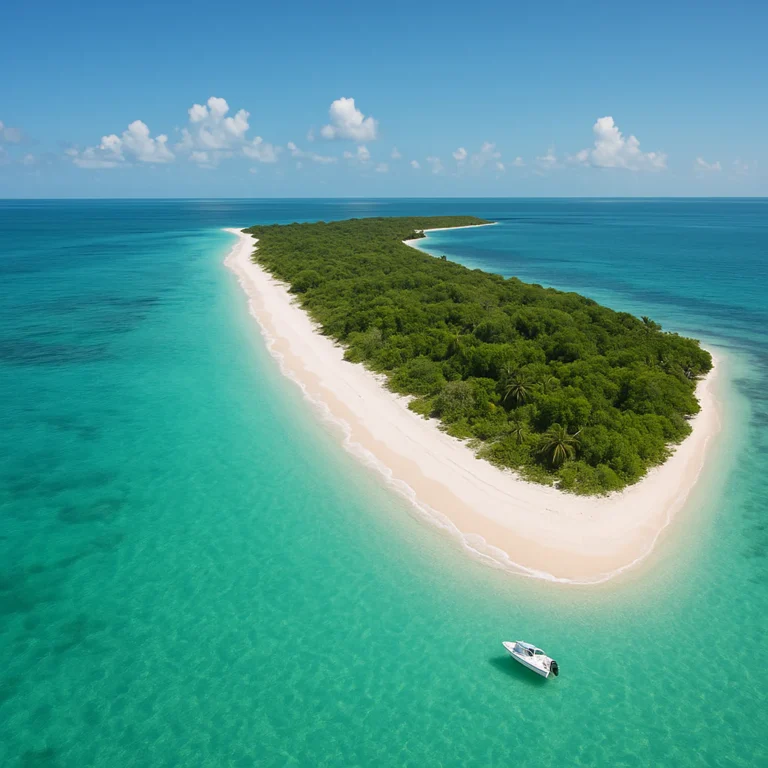
Bahia Honda State Park offers a beautiful Keys setting with turquoise water, coastal scenery, and a natural feel. It can be a welcome change from the busiest Key West beach spots, but it’s a popular state park in its own right. Park capacity, weather, and beach conditions can affect your plans, so check before driving down.
- Why go: Scenic Keys coastline and outdoor recreation.
- Keep in mind: Limited capacity can mean entrance delays or temporary closure.
- Good for: Travelers who want a state-park beach day on a Keys road trip.
Check the official Bahia Honda State Park page and park alerts.
14. Fort De Soto Park instead of the busiest Tampa Bay beaches
Fort De Soto Park has multiple outdoor attractions and beach areas, making it an appealing alternative when you want options beyond a single crowded shoreline. Its size helps spread visitors out, but popular parking areas and facilities can still fill during peak periods. Have a backup plan within the park and follow posted rules, particularly around wildlife.
- Why go: A full park day with beach, trails, and outdoor activities.
- Keep in mind: Check entry, parking, and facility updates.
- Good for: Families and active visitors who like variety.
Visit Pinellas County’s Fort De Soto Park page before your trip.
15. Little Talbot Island instead of Jacksonville Beach
Little Talbot Island State Park provides a more natural Northeast Florida shoreline than the developed beach scene closer to Jacksonville. It’s a lovely spot for beach walks and nature, though surf and currents may not suit every swimming plan. Pack for fewer conveniences and check park alerts before heading out.
- Why go: A coastal landscape with a quieter, less-built-up feel.
- Keep in mind: Facilities and access are limited compared with a city beach.
- Good for: Nature-minded visitors, photographers, and relaxed beach walkers.
Find current details at Florida State Parks’ Little Talbot Island State Park page.
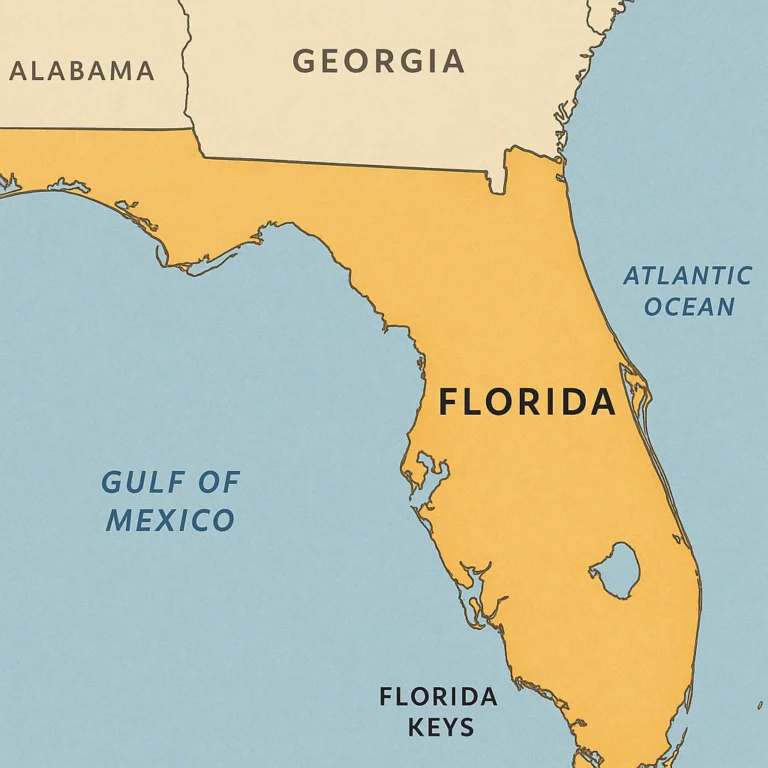
🌊 Florida’s Coasts at a Glance: Gulf, Atlantic, and Keys
Florida’s coastline isn’t one uniform beach with different signs. Water, wind, sand, access, and development vary significantly by region. A quick coast check can save you from choosing a beach that looks perfect on Instagram but doesn’t suit the day you have in mind.
| Region | Typical feel | Best for | Watch for |
|---|---|---|---|
| Gulf Coast | Often calmer-looking water and sunset views | Swimming, beach towns, shelling where permitted | Storm conditions, seasonal water changes, and crowded access points |
| Atlantic Coast | More surf and sunrise views | Surf watching, long walks, coastal towns | Rip currents, stronger waves, and changing swimming conditions |
| Florida Keys | Island scenery and clear-water views | Snorkeling, paddling, scenic park days | Small beaches, sensitive habitats, and limited capacity |
| Northeast Florida | Natural shorelines and historic coastal communities | Wildlife, quiet walks, outdoor exploring | Surf and currents, seasonal closures, fewer services |
This is a broad guide, not a forecast. Check the National Weather Service and local beach advisories for the conditions you’ll actually encounter.
Gulf Coast: wide views and sunset plans
Gulf beaches are often the first choice for visitors hoping for calmer-looking water and sunsets over the sea. That doesn’t mean the water is always calm or safe. Wind, storms, tides, and local currents can change the picture quickly. For a more natural Gulf trip, consider state parks and preserves; for convenient dining, choose a town beach with services nearby.
Atlantic Coast: surf, sunrises, and stronger currents
The Atlantic side can bring more visible surf, making it a favorite for wave watchers and surfers. It also means you should take beach flags and rip-current warnings seriously. The National Oceanic and Atmospheric Administration explains that rip currents can pull swimmers away from shore; if caught, the general advice is to stay calm and swim parallel to shore rather than fighting directly against the current.
Florida Keys: beautiful, but not always a broad-sand-beach trip
The Keys are famous for clear water and island scenery, but the coastline doesn’t always offer miles of broad, soft sand. Some sites are better for snorkeling, kayaking, or enjoying the view than for spreading out a giant beach blanket. Review park conditions, reef guidance, and water access before you plan the day.
🧭 Match Your Beach Dupe to Your Travel Style
There isn’t one best Florida beach alternative. There’s the right one for your group, the season, and your tolerance for packing snacks. Here’s how we’d sort the choices.
Best quiet beaches for families
Families usually need more than attractive sand. Look for restrooms, shade, clear access, manageable parking, and a backup activity. Fort De Soto and some state parks offer a fuller day out, while a remote island can be wonderful only if your group is ready for the boat logistics and limited facilities.
For more family-friendly ideas, see our family adventures and use the Florida State Parks park finder.
Best Florida beaches for a romantic getaway
For a couple’s escape, consider Pass-a-Grille, Flagler Beach, or a beach-town base where you can combine a late-afternoon walk with dinner nearby. For a more secluded-feling outing, an island or preserve may deliver a memorable view—but only if you’re comfortable planning transportation and bringing your own essentials.
Browse our acommodation reviews when you’re choosing a place to stay close to the coast.
Best uncrowded beaches for nature and wildlife
Canaveral National Seashore, Little Talbot Island, and state-park beaches are better bets for a natural setting than a highly developed strip. “Better bet” doesn’t mean guaranteed solitude: the busiest access points and holiday dates still attract visitors. Follow wildlife rules, keep your distance from nesting areas, and never feed wild animals.
The Florida Fish and Wildlife Conservation Commission provides information on wildlife and conservation, while the National Park Service lists rules for Canaveral.
Best beach towns for food, shops, and a relaxed stroll
Choose a town rather than a remote shore if your ideal day includes coffee, local shops, and a meal without driving back to a resort hub. Tarpon Springs stands out because its outing can combine Fred Howard Park with the sponge docks and the city’s Greek-American heritage. It’s a different proposition from a pure beach day—and that’s exactly the charm.
The Tarpon Springs Sponge Docks offer visitor information, while the city’s Greek heritage gives you a reason to linger after the towel is packed away. Our local tip: make the town visit part of the plan, not an afterthought. Beach first, wandering later—or reverse the order if the sun is already working overtime.
📅 When to Visit Florida for Fewer Crowds
Timing can matter as much as destination. A beach that feels open on a weekday morning may be packed by lunchtime on a holiday weekend. Florida’s weather also varies by region and season, so “quiet” and “comfortable” don’t always arrive together.
Best seasons and shoulder-season windows
For a less hectic experience, consider visiting outside the most popular school-holiday periods and choosing a weekday. Shoulder-season dates can offer a useful balance of fewer visitors and pleasant conditions, but no month guarantees low crowds or ideal weather.
- Early mornings often give you the easiest parking and cooler conditions.
- Weekdays usually avoid the biggest weekend surges, though local events can change that.
- Shoulder seasons can be quieter, but check weather, water conditions, and local closures.
- State parks and preserves may have capacity limits even when nearby beaches are open.
Weekdays, weekends, holidays, and peak travel periods
Expect more pressure on parking and access during spring break, long weekends, school holidays, and major local events. A practical plan:
- Check the official beach or park page the night before.
- Leave early enough to arrive before the busiest window.
- Save a second beach or activity in the same region.
- Don’t rely one small lot, particularly for boat-access beaches.
- Keep your departure flexible if afternoon traffic is building.
For current park closures, review Florida State Parks alerts.
Weather, hurricane season, and sea conditions
A clear sky doesn’t guarantee safe swimming. Thunderstorms, strong winds, high surf, and rip currents can change conditions quickly. Hurricane season runs from June 1 through November 30 in the Atlantic basin, according to the National Hurricane Center. That’s a planning consideration—not a prediction that a storm will affect your trip.
Before leaving, check the National Hurricane Center, National Weather Service, and local beach flags. If conditions look unsafe, choose a town outing, museum, nature trail, or another indoor plan instead. The beach will still be there when the weather is friendlier.
🚗 Getting There, Parking, and Finding a Quieter Patch of Sand
A less-famous beach can still be hard to reach. Before committing, check your route, entrance hours, parking rules, and whether access requires a ferry or boat. Don’t count on finding an informal shoulder spot; illegal parking can block residents, emergency services, or park operations.
A simple arrival plan
- Open the official beach or park page. Confirm hours, closures, and parking details.
- Map the actual public entrance. A pin near the coastline isn’t necessarily a public access point.
- Check for alternative transport. Some islands are reachable only by water or scheduled services.
- Arrive early on high-demand days. Small lots fill faster than the beach itself.
- Save the location and return route offline. Cell service may be weaker in remote areas.
- Have a backup nearby. If a park closes at capacity, switching plans is better than waiting in a hot car.
For travelers who want a little more comfort, look at nearby lodging before booking a day trip; our acommodation reviews can help you compare different types of stays. If you’re driving between towns, check rental options and pick a vehicle that fits your actual route, not just your suitcase count.
Boat-access beaches: the extra checklist
For Anclote Key, Egmont Key, Shell Key, and similar destinations, confirm:
- Whether you need your own boat, a permitted operator, or a ferry.
- The return schedule and weather policy.
- Whether restrooms, drinking water, shade, or food are available.
- Rules for launching kayaks or paddleboards.
- Any protected wildlife zones or seasonal access limits.
The video linked at #featured-video also emphasizes that some hidden-beach destinations require boat, kayak, or paddleboard access and that conditions should be checked first. That’s a useful reminder, but the official park page—not a video—should be your source for current access and safety rules.
🎒 What to Pack for a Less-Crowded Florida Beach Day
The quieter the beach, the less likely you are to find a handy shop selling the one thing you forgot. We’ve learned this the warm, sandy way. Pack for the facilities you have, not the facilities you wish were there.
Beach-day essentials
- Drinking water and snacks in reusable containers.
- Sun protection, including a wide-brim hat, sunglasses, and sunscreen.
- A shade option if permitted, such as a compact beach umbrella.
- Towels, a light change of clothes, and a bag for wet items.
- A small first-aid kit and any medication your group needs.
- A charged phone and portable battery.
- A trash bag so you can pack out everything you bring.
For sun safety, follow the U.S. Environmental Protection Agency’s UV protection guidance. Reapply sunscreen as directed on its label, and remember that shade and protective clothing are useful companions—not an excuse to ignore the sun.
Pack differently for a nature preserve or remote island
Add sturdy footwear, extra water, snacks, insect protection, and a backup plan for getting back. Check whether glass, pets, fires, drones, or certain beach equipment are restricted. Pack light enough to carry everything back out. A remote island is no place to leave behind a bag of snack wrappers and a broken sandcastle shovel.
🛟 Beach Safety, Accessibility, and Local Rules
A quiet beach isn’t automatically a safer beach. Some have no lifeguards, fewer people nearby, and limited phone service. Make the safety plan before anyone runs toward the water.
Rip currents, lifeguards, and swimming conditions
Check for posted flags and lifeguard coverage at the exact access point you plan to use. If you’re caught in a rip current, the National Weather Service advises swimmers to stay calm, float or tread water, and swim parallel to shore to get out of the current; signal for help if needed. Don’t enter the water during a warning just because other visitors are doing it.
Practical rule: if you can’t identify the conditions, the lifeguard location, or the safe swimming area, keep your group on shore until you can.
Accessible beach entrances and facilities
Accessibility varies widely. Some beaches have accessible parking, restrooms, ramps, beach wheelchairs, or firm paths; others have soft sand and minimal facilities. Contact the city or park before visiting to confirm what is available, whether equipment must be reserved, and how far the accessible route extends.
The National Center on Accessibility offers general guidance, but the local managing agency is the authority on current beach access.
Pets, shells, dunes, and protected wildlife
Pet rules differ by beach and park, so check before you bring a dog. Stay off dunes and vegetation, respect nesting areas, and follow posted rules for shells and wildlife. The Florida Fish and Wildlife Conservation Commission provides wildlife guidance, and the park agency’s rules apply at the site.
- ✅ Use marked paths and public access points.
- ✅ Keep a respectful distance from wildlife.
- ✅ Pack out trash, including food scraps and fishing line.
- ❌ Don’t walk through dunes or rope-off areas.
- ❌ Don’t assume a beach is pet-friendly because another nearby beach is.
💡 Smart Ways to Avoid Crowds Without Missing the Fun
You don’t need a secret address to get a better beach day. A little strategy can make even a popular destination feel more manageable.
Our crowd-avoidance game plan
- Pick a region first. Choose Gulf, Atlantic, or Keys, then shortlist two or three beaches.
- Compare access, not just photos. Check parking, entrance hours, facilities, and transport.
- Choose a weekday if you can. It’s one of the simplest ways to dodge the largest weekend crowds.
- Arrive early or go later. Miday often concentrates visitors, heat, and parking pressure.
- Use a backup destination. If the first lot is full, you’ll already know where to go.
- Build in a non-beach stop. A town walk, wildlife trail, or local meal makes the trip worthwhile if conditions change.
- Check official updates on the day. Weather and park capacity can change plans fast.
Add a local experience to the beach day
Tarpon Springs is a good example of how a “dupe” can become a better trip by offering more than sand. A local story recommends pairing Fred Howard Park with the sponge docks and Greek food, describing the town’s appeal as “beauty, history, great food, and room to breathe all in one trip.” That’s a compelling reason to visit, though we’d still check beach conditions and weekend parking before setting off.
In the sponge docks, you can see the town’s connection to the sponge-diving industry and find local shops. Nearby Greek-American restaurants add a second chapter to the outing. The beach may be quieter than some major Tampa Bay favorites, but the real win is a day with both coastline and character.
A video perspective on hidden beaches
The video at #featured-video counts down 10 less-crowded Florida beach ideas, including Topsail Hill Preserve State Park Beach, Blowing Rocks Preserve, Playalinda Beach, Bean Point, Bowman’s Beach, Shell Key Preserve, Egmont Key, Pass-a-Grille, and Caladesi Island. Its central observation is that “Florida has hundreds of miles of coastline, yet most tourists crowd onto the same few famous beaches.”
That’s a fair summary of the destination-dupe idea. But access varies: some featured places are reachable by road, while others may require a boat, kayak, or paddleboard. Use the video for inspiration and official park sources for current rules, closures, and conditions.
📍 Background: How Florida’s Beach Towns Became Vacation Hot Spots

Florida’s coast has long drawn visitors for its warm weather, beaches, and access to outdoor recreation. Over time, hotels, roads, restaurants, and attractions grew around the most accessible and heavily promoted shorelines. That development created famous beach destinations—and concentrated visitors there.
Other coastal communities followed different paths. Some retained smaller-town identities, working waterfronts, state parks, or protected natural areas. Tarpon Springs, for example, is known for its Greek heritage and sponge-diving history as well as its coastal setting. The City of Tarpon Springs and the Tarpon Springs Sponge Docks share local visitor information.
This is why a “dupe” often feels less like a copy and more like a different route to the same vacation mood. Maybe your version of a great beach day includes a quiet walk and an old-fashioned seafood lunch. Maybe it means more open sand and fewer high-rises. Or maybe it’s simply not spending an hour hunting for parking. The best alternative is the one that fits what you actually want from the trip.